
Conveyor Transfer Plate
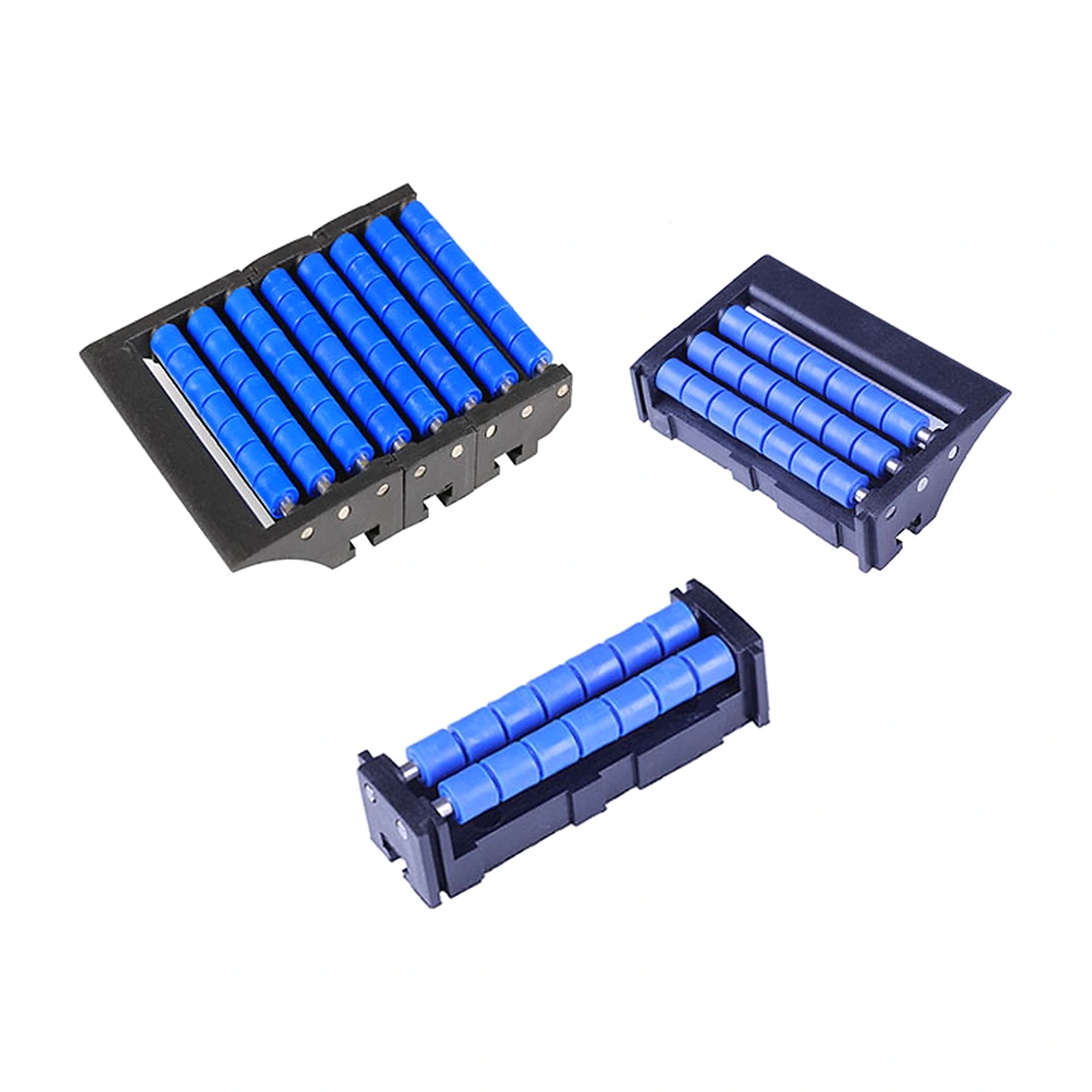
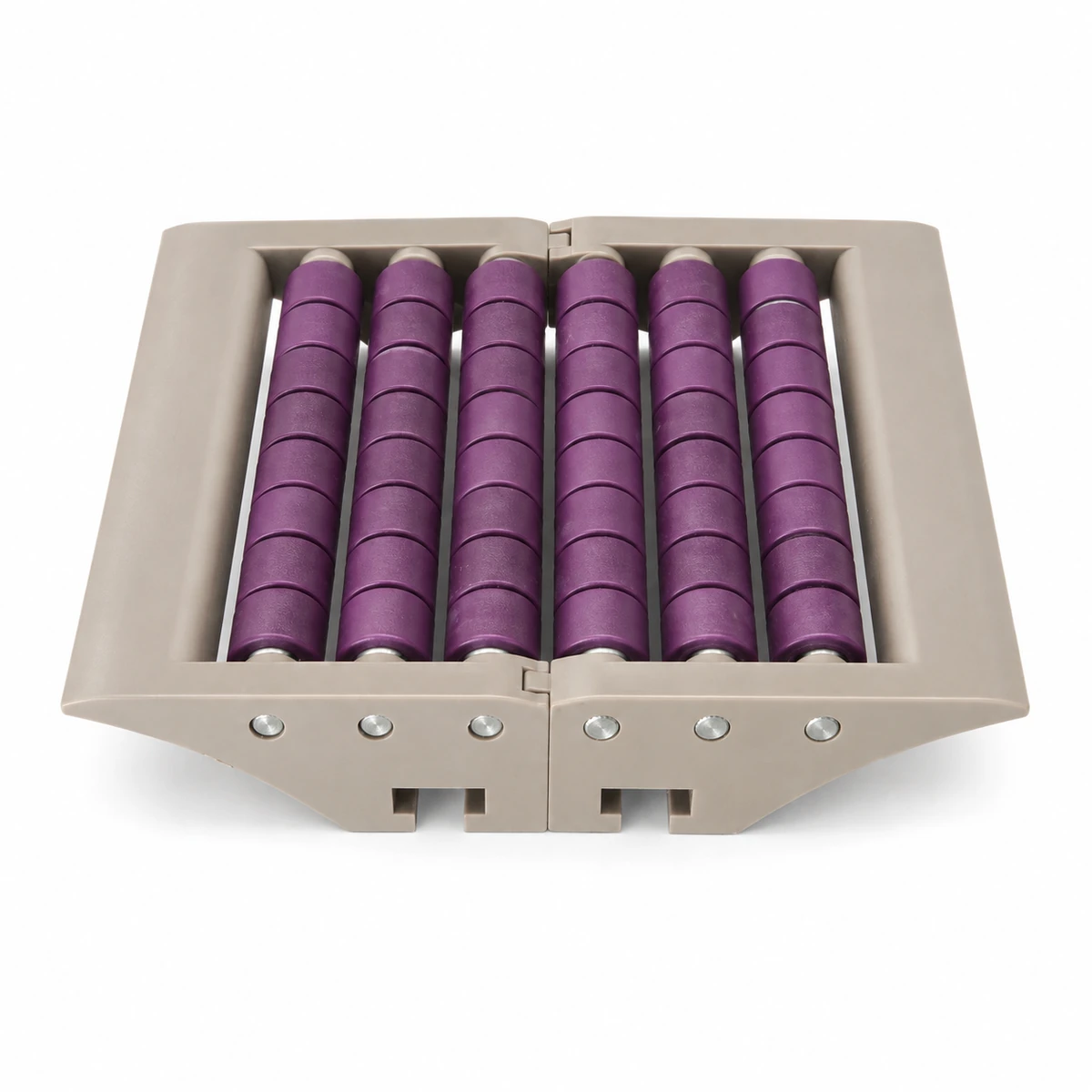
Choose a conveyor transfer plate by the two carrying surfaces and the smallest product base. CSTRANS offers belt-matched finger plates for raised-rib modular belts, 85 and 125 roller plates, and the extended-edge 1500D section for the 1500/1505 family.
Send An Enquiry
Conveyor Transfer Plates Models
Raised-rib belt
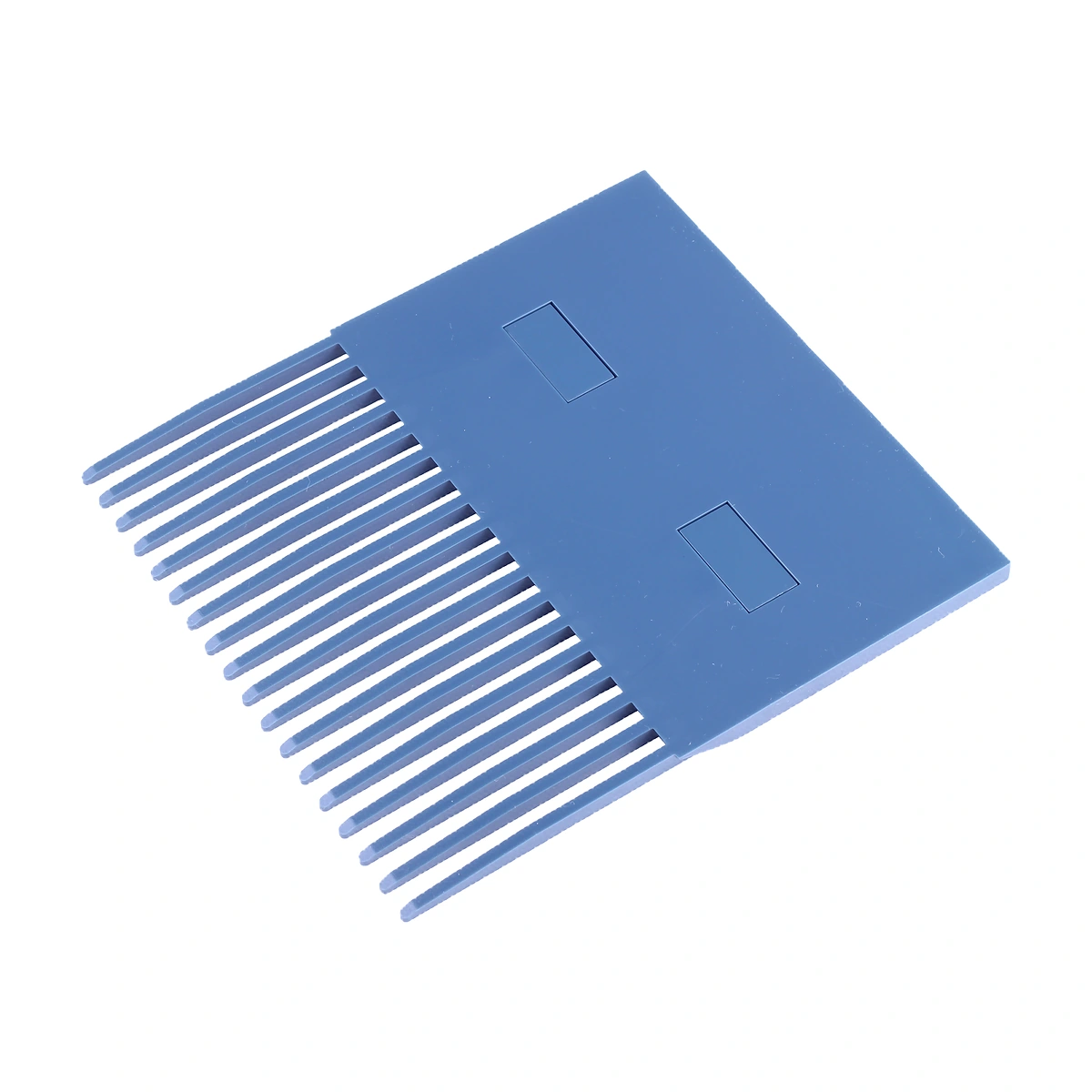
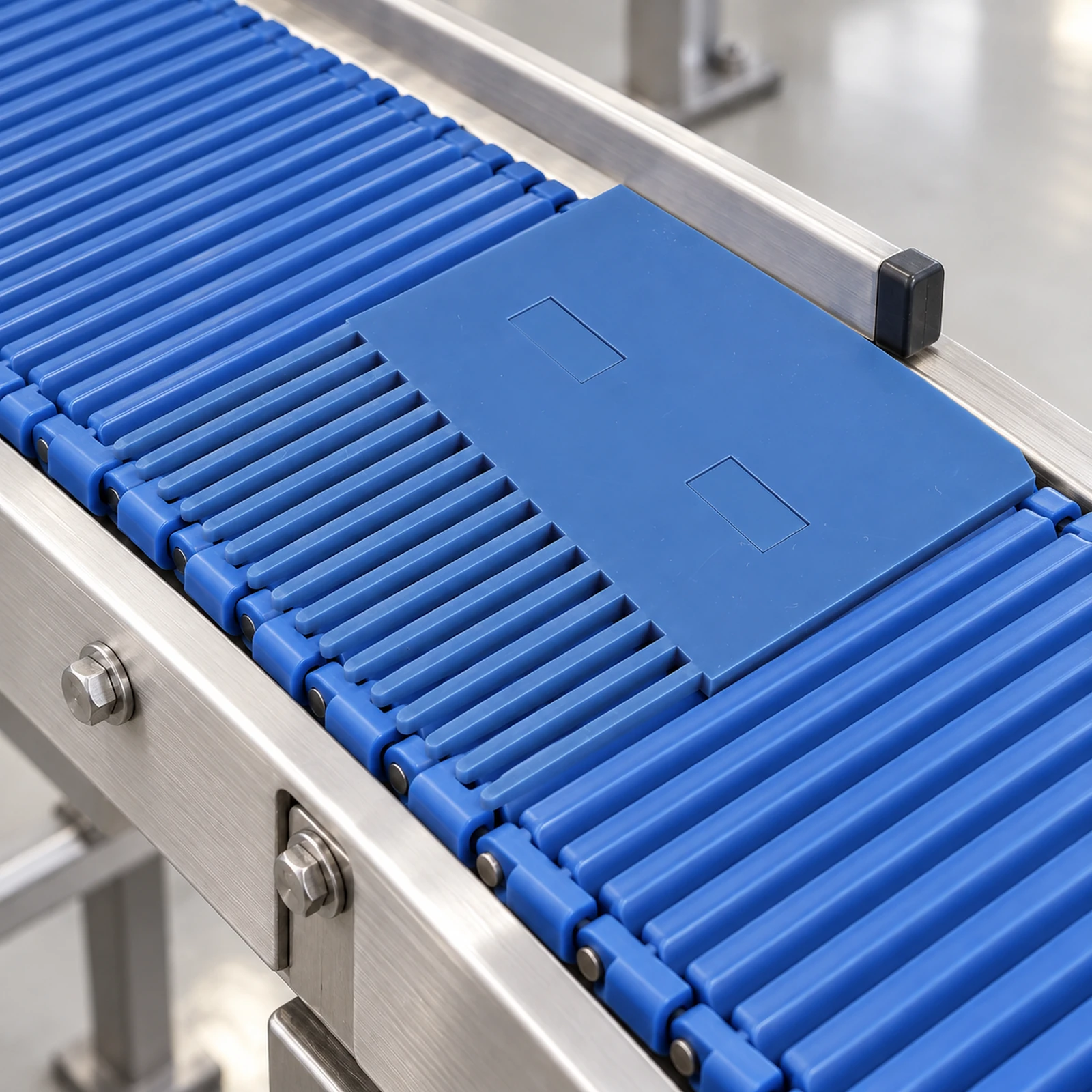
Finger Plates for Raised-Rib Discharges
The fingers sit between the belt ribs as the belt turns down at the discharge, so the belt series comes first. Match the 2720, 5083, 5712 or 5713 reference before sizing the plate across the conveyor. The 2720 version has 18 fingers and can be cut to suit the required count. The 12-finger 5712 is shown in 146 or 220 mm lengths, and the 28-finger 5713 in 147 or 220 mm lengths. The 2720 belt’s 27.2 mm pitch repeats along the direction of travel. Use the rib pattern across the belt to position the fingers. Compare the finger-plate drawings.
Roller sections
Roller Plates Between Conveyor Ends
The 85 family offers long A, middle B and short C sections. The 008 catalog drawing gives a useful starting reference for the illustrated blue roller plate: 111 × 85 mm in plan and 21.5 mm in profile. Confirm the drawing for the selected section before laying out its supports. The 125 roller plate uses purple rollers in a UHMW-PE frame. For either family, check where the smallest base contacts the rollers and where it crosses the frame edge.
Extended edge
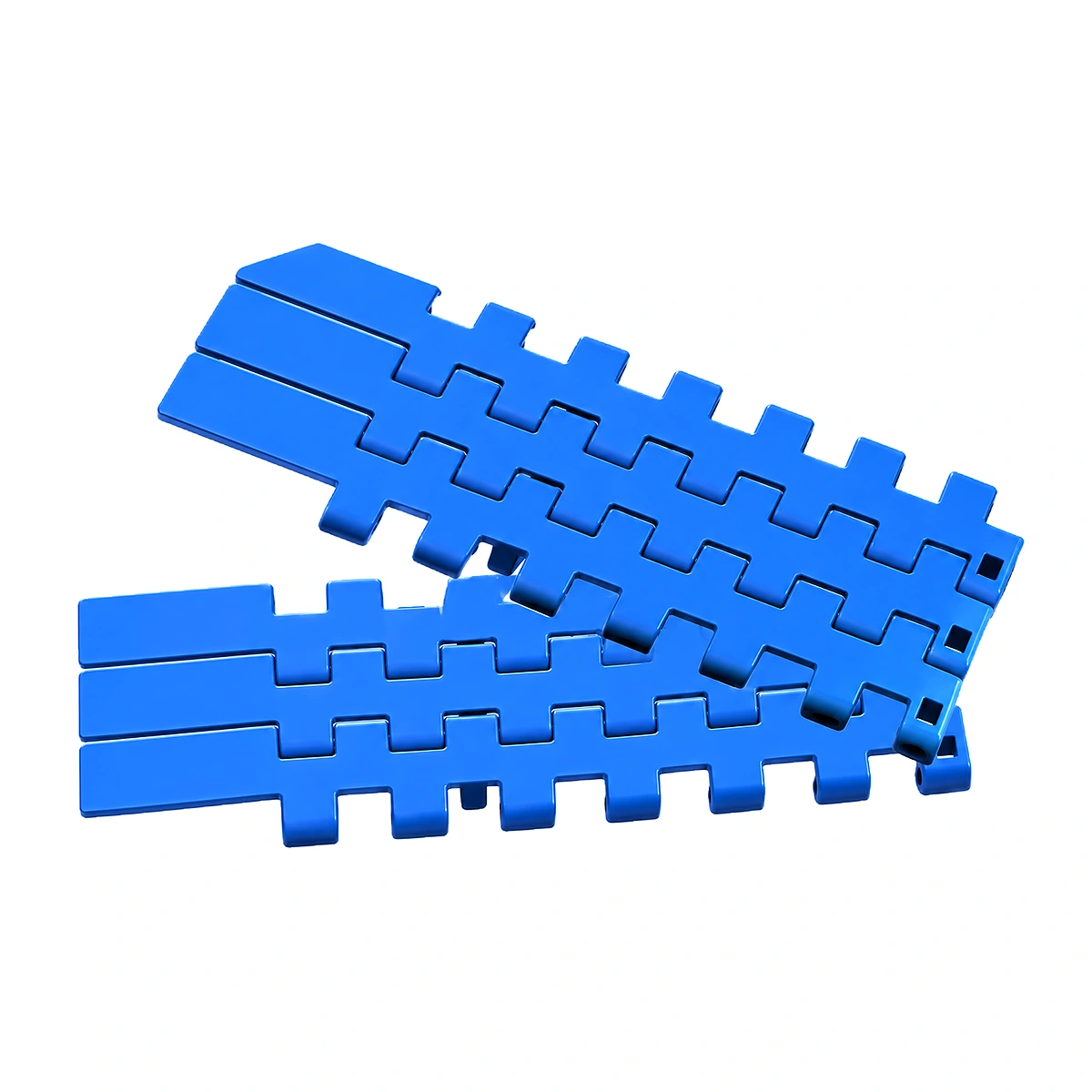
1500D for the 1500/1505 Family
The 1500D transfer section uses linked plate sections with a projecting discharge edge. Use the plan and side views to locate the joint and the tip, then compare the tip position with the receiving surface as the end moves. A side view of both conveyors shows the height step and where the product first reaches the receiving surface.
Application / Line Context
For a short carton or a bottle with a narrow base, trace the contact points from the sending conveyor to the plate and onto the receiving conveyor. Check the full path with the smallest product, including its orientation and the direction of travel. For other layouts, see the conveyor transfer methods guide.