
Connecting Strip
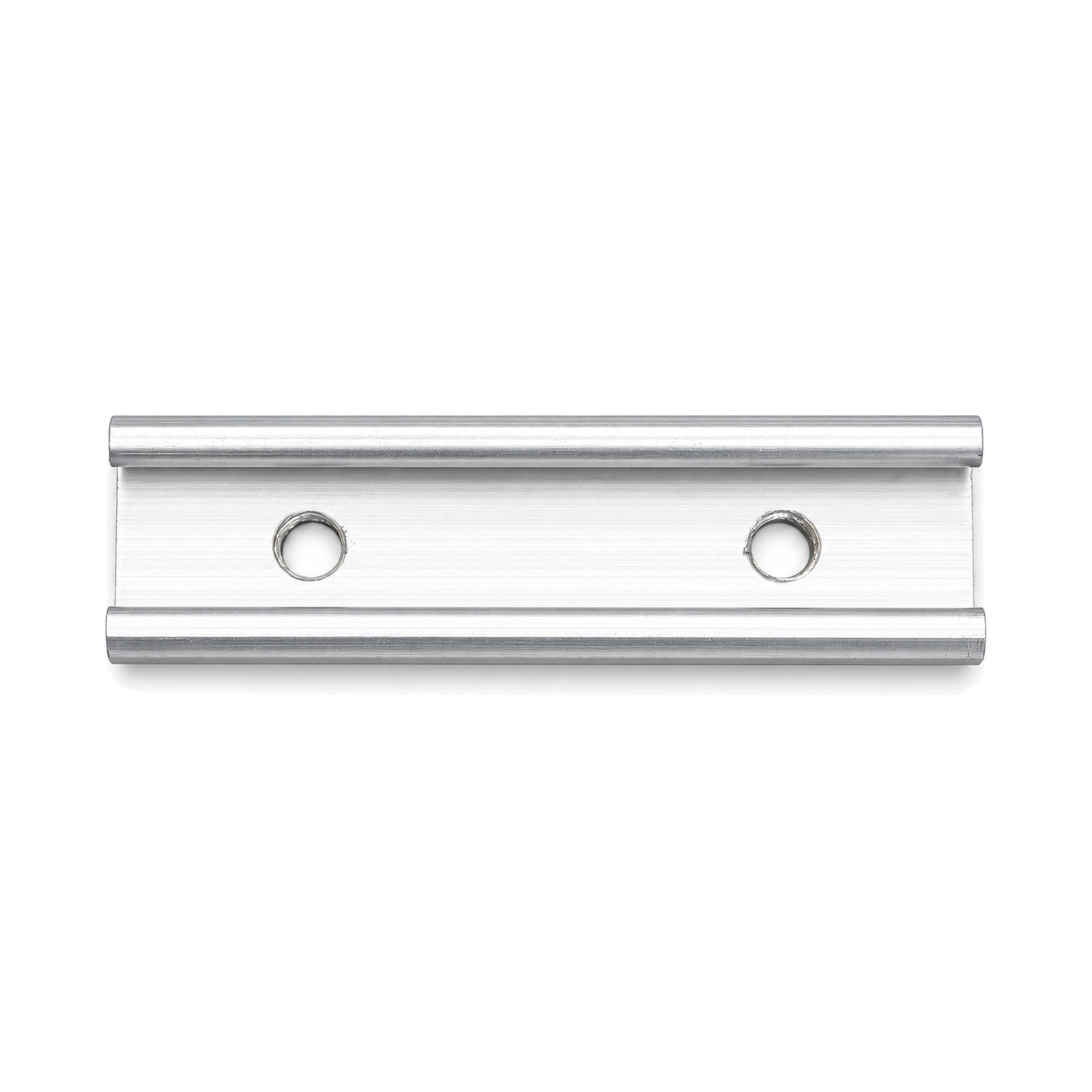
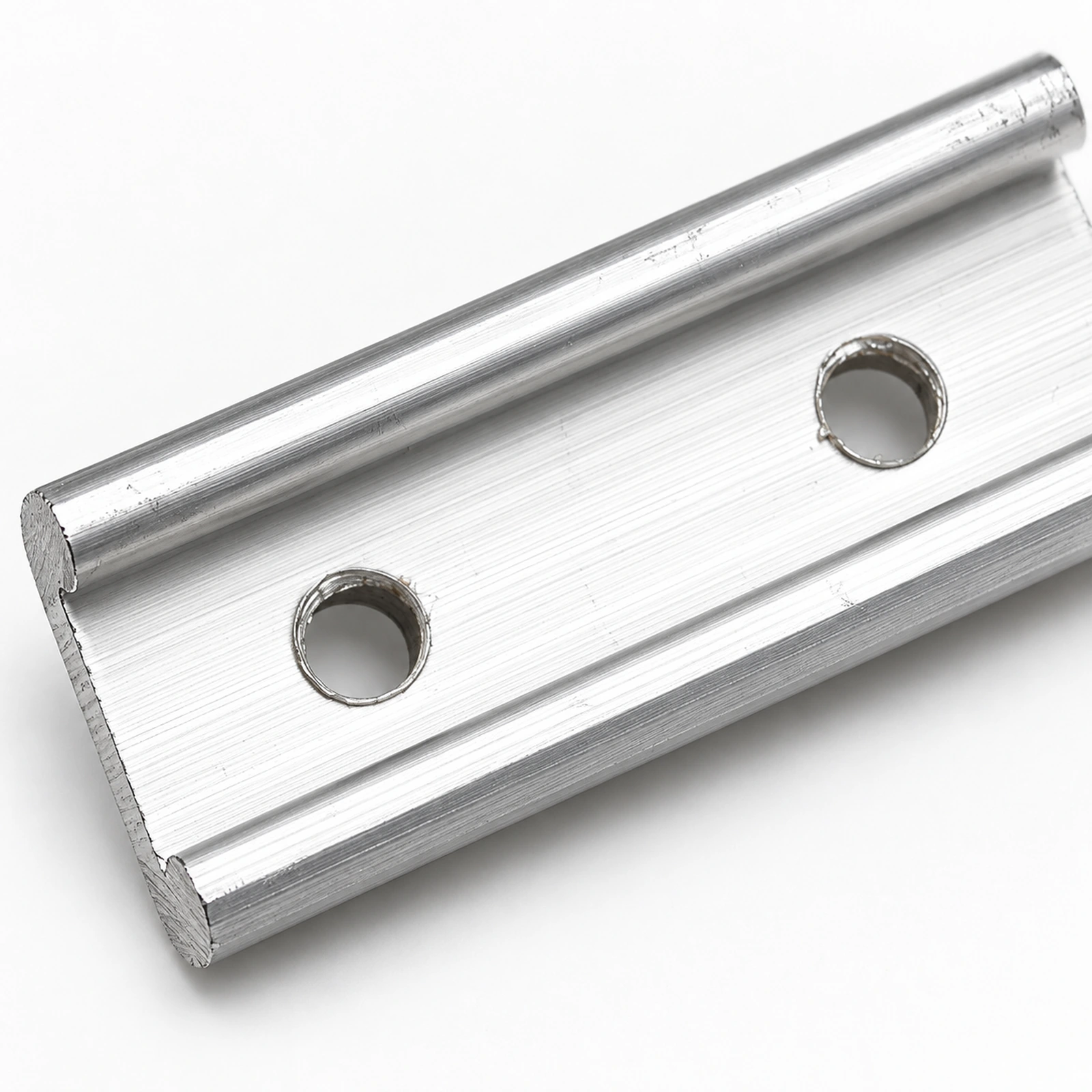
CSTRANS supplies the connecting strip, or connection block, used with its 65, 85 and 105 flexible-chain conveyor beam families. The same block design serves these three beam widths. At a beam joint, it positions adjoining sections so the chain can pass from one supported length to the next. The surrounding chain, wear strip, bend and end-unit geometry still determine how the full route fits together.
Connector form
Identify the shared beam connector
The 65, 85 and 105 beam families use the same CSTRANS connection block. This is useful when a joint component is being replaced: the connector can be identified across those beam families without assuming that the complete beams or chains interchange. Each family has its own chain width and running track. The common connecting strip solves the beam-joint connection, while the chain and wear strip must still match the selected conveyor series.
Straight alignment
Keep straight sections on one running line
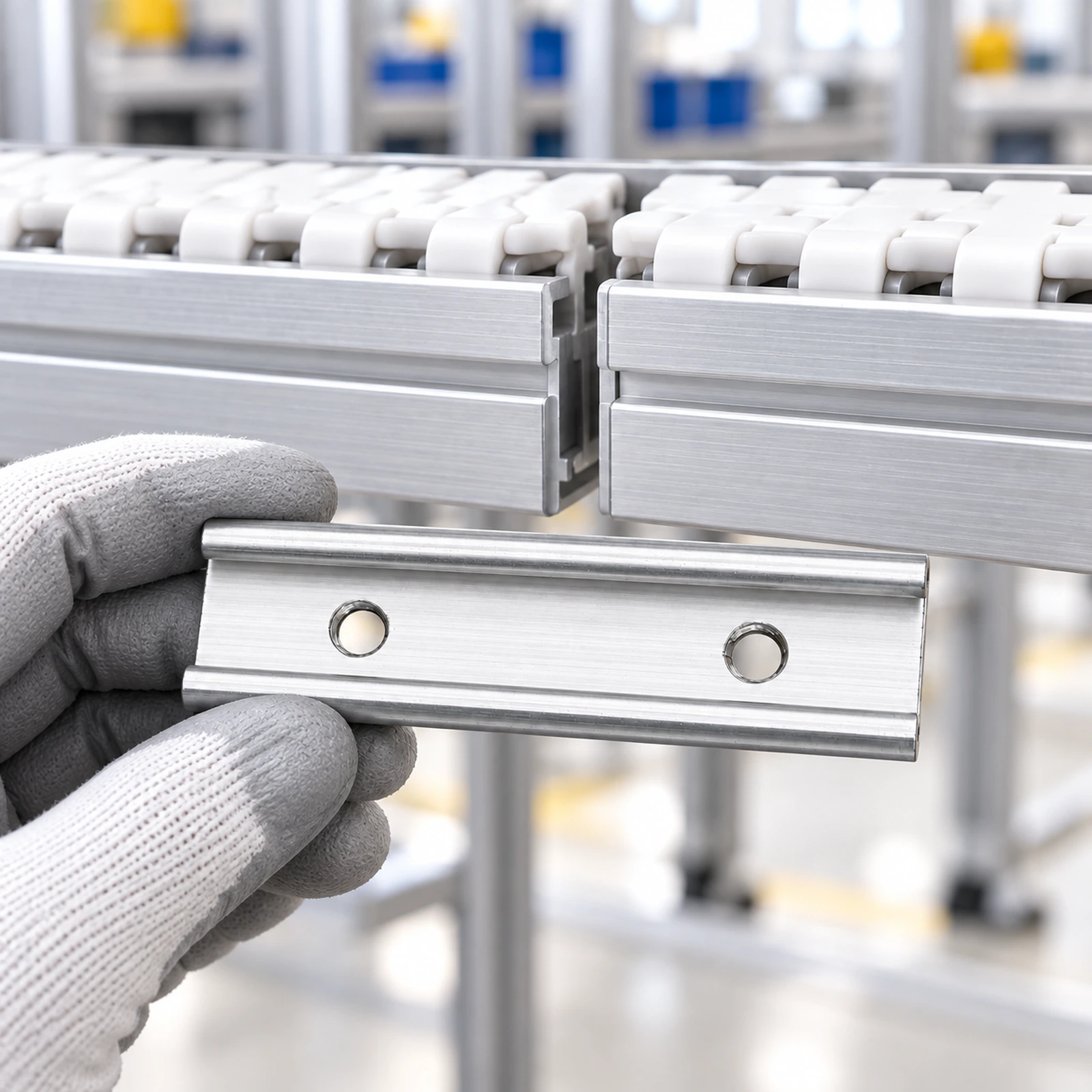
A connection at the end of one beam establishes where the next section begins. If those sections meet out of line, the chain reaches a change in support at the joint, and the product may approach a guide or downstream transfer from the wrong position. CSTRANS's beam connector belongs at that mechanical interface. Its value is most evident on a long straight run made of multiple beam lengths, where each joint contributes to the final route geometry.
Joint location
Coordinate joints near bends and end units
The connection block also matters when a straight beam approaches a bend or a drive/idler unit. CSTRANS lists connection blocks among the parts used in end-unit assemblies, but the exact end-unit block fit is determined by that assembly. The beam-side connector must place the straight track correctly for the next component. Aligning beam, wear strip and end position lets the chain continue toward the sprocket or curved section while the product path remains directed toward the next station.
Application / Line Context
Imagine replacing a beam length immediately before a horizontal turn. The chain runs on the existing wear strip, crosses the new straight joint and enters the curved half-beam. A joint that is offset laterally can move the chain's entry point relative to the side guide, changing how a product follows the corner. Near discharge, an out-of-level joint can carry that change into the receiving gap. At the drive end, the beam must meet the head at the position expected by the chain and sprocket. Using the common 65/85/105 connector helps identify the joint part, while the beam family and adjacent hardware define the rest of the fit.