
Conveyor Beam
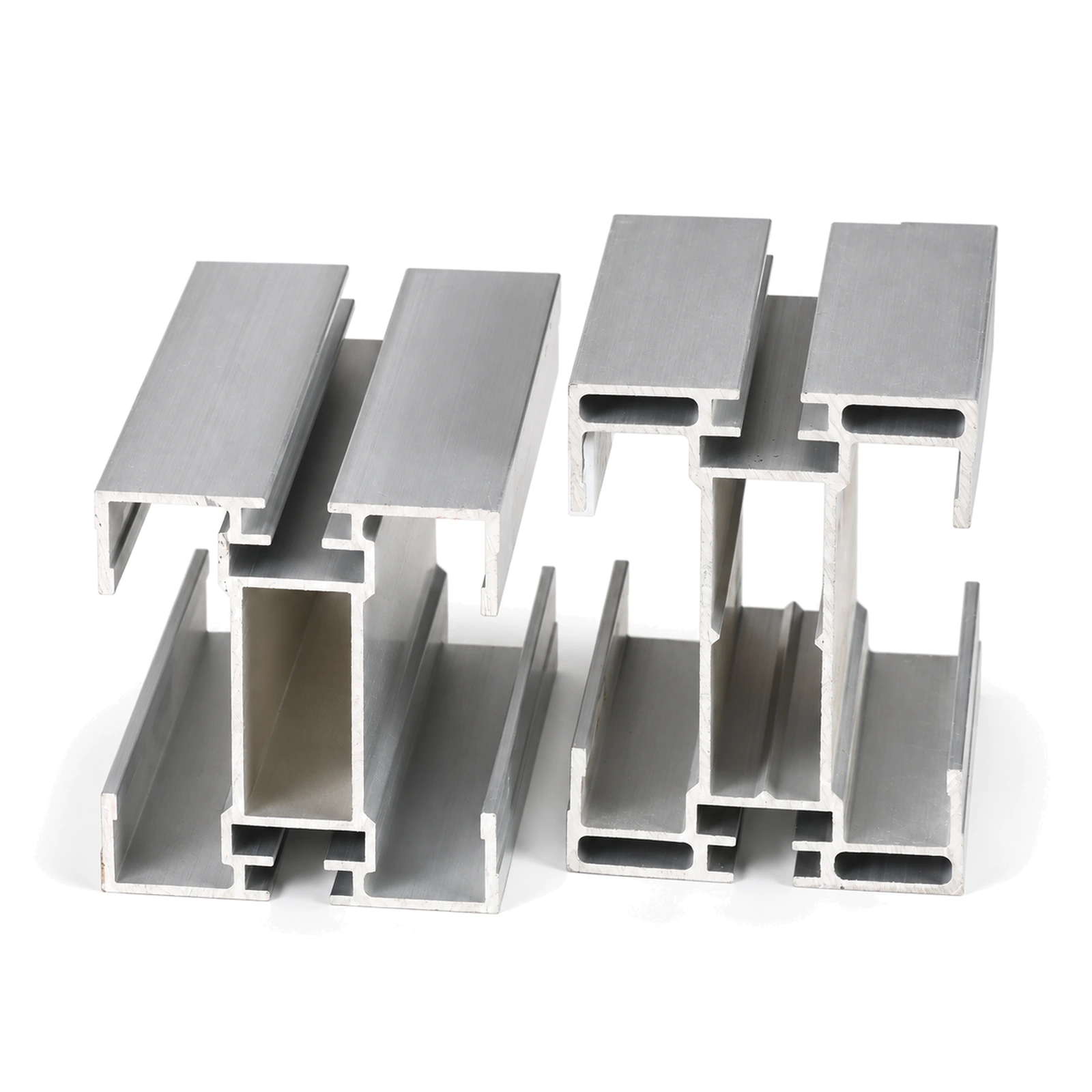
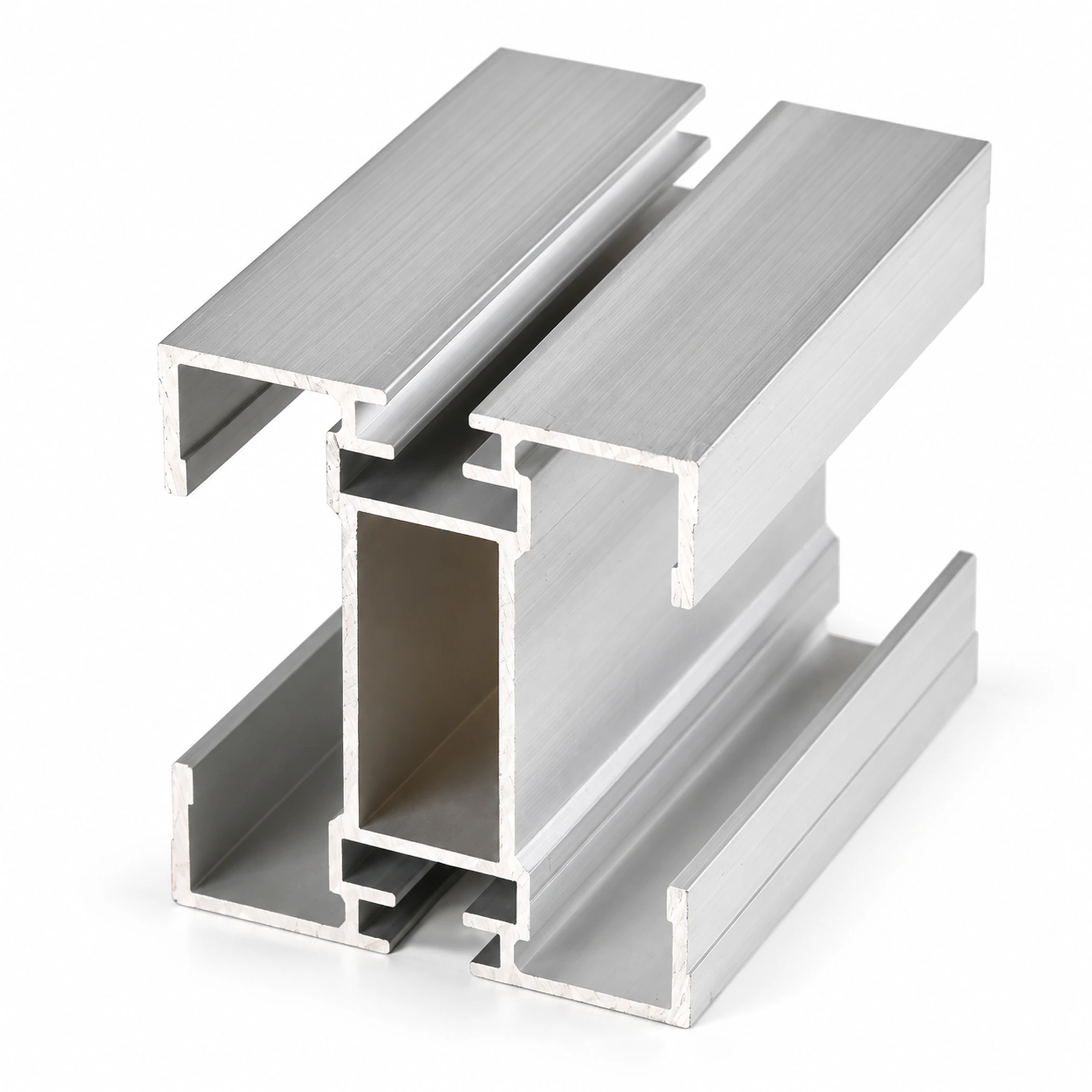
CSTRANS supplies conveyor beam families for straight flexible-chain runs and bends. The beam locates the chain and wear strip, while connectors align adjoining lengths. CSTRANS provides 45, 65, 85 and 105 beam widths for its 44, 63, 83 and 103 chain families, plus larger arrangements. Matched sections keep the running path continuous to the drive and product transfer.
Running track
Give each chain its running track
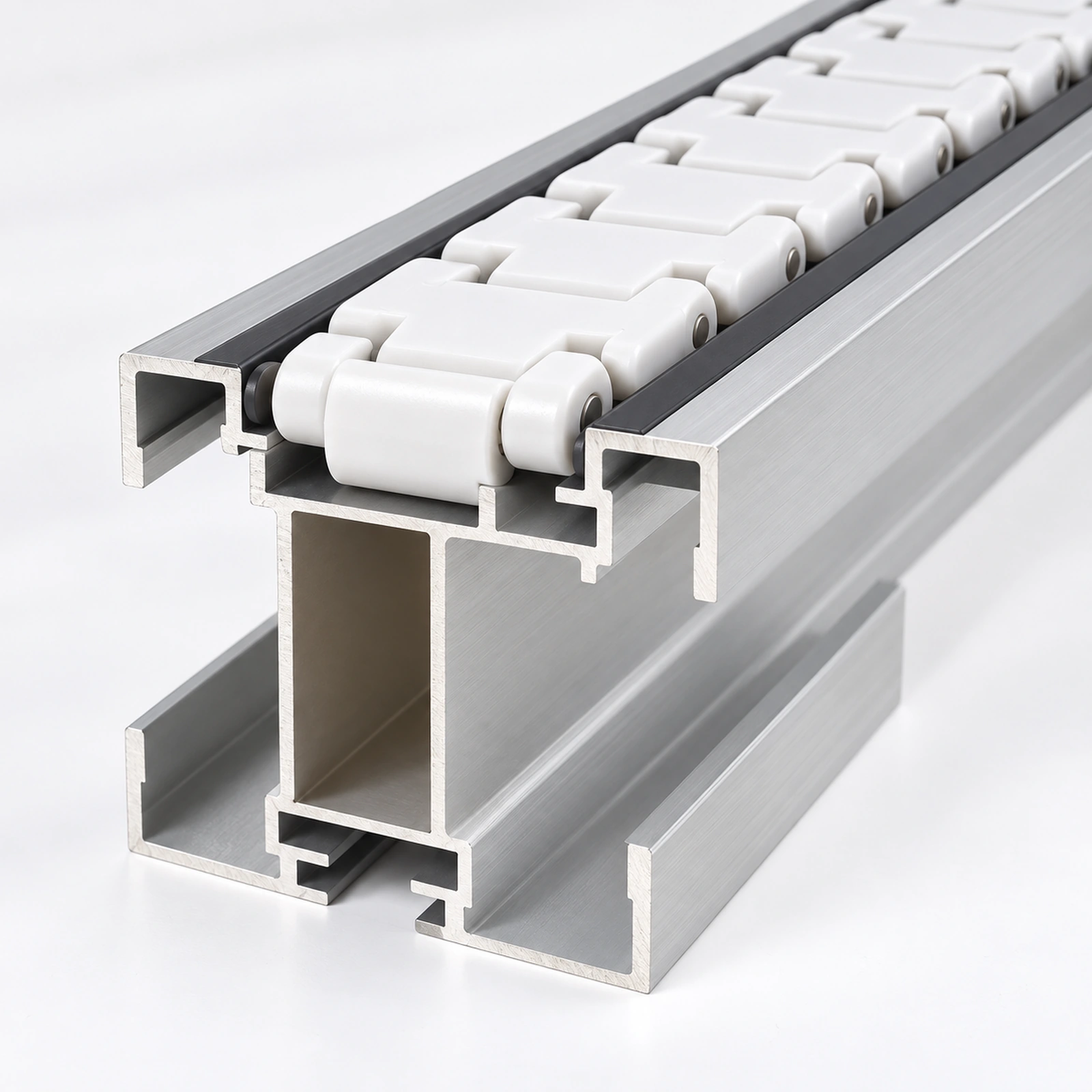
The 44/45, 63/65, 83/85 and 103/105 chain-to-beam pairings establish the running track. A PE wear strip provides contact between chain and beam; CSTRANS supplies 15×5 and 15×6 mm strips in the flexible-chain system. When beam and strip align, the chain carries product along the intended path into a bend or transfer.
Bend support
Continue support through the bend
CSTRANS uses an 85 main beam with an 85 half-beam in a combined section; the half-beam is used mainly for horizontal and vertical bends. The half-beam's shape lets the running track follow the turn and meet the straight beam again. A connecting column joins the main and half sections. On a route with a direction or level change, that junction affects chain tracking and the product's path into the next straight run. CSTRANS also lists 182 and 300 beam widths with the 175 and 295 chain families, showing why a bend cannot be laid out from a generic beam width alone.
Beam joints
Keep beam joints and end units compatible
The 65, 85 and 105 beam families use the same connection block, while their chain paths and end units differ. The 140 flexible chain adds another distinction: flat-toothed and flat-plate versions need different beam, drive/idler and wear-strip arrangements. CSTRANS can match the beam junction and chain form to the head and tail, so the running track reaches the sprocket and returns through an aligned joint.
Application / Line Context
On a straight carrying run, the beam and wear strip support the chain beneath the product; the guide arrangement controls its lateral position. At a horizontal bend, a half-beam section curves that supported path toward the next conveyor leg. At a vertical bend, the same beam connection principle helps the chain move between levels while product retention must be handled by the selected chain surface and guides. Near the drive, beam alignment affects how the chain meets the sprocket, while discharge level and gap affect the handoff to the next machine. These interfaces explain why a replacement beam needs to be considered with its chain, bend and end unit.