
Sustainability
Our sustainability priorities focus on the resources used to make conveyor components and the way those components are maintained in service. Material selection, replaceable parts and production waste each have a practical role.
Materials for the Required Service Life
Our range includes POM, PP and PE plastics, as well as selected stainless-steel grades. A material must suit the component’s wear conditions and exposure to temperature, cleaning chemicals or moisture.
Our wear-strip range includes standard PE and higher-molecular-weight PE grades for different wear requirements. Material and profile selection define the contact between the chain and its supporting beam. Friction at that contact contributes to the power needed to drive the conveyor.
Recycled content must also meet the finished part’s requirements. Food-contact applications need product-specific evidence for the material grade.
Replace Parts and Retain Serviceable Equipment
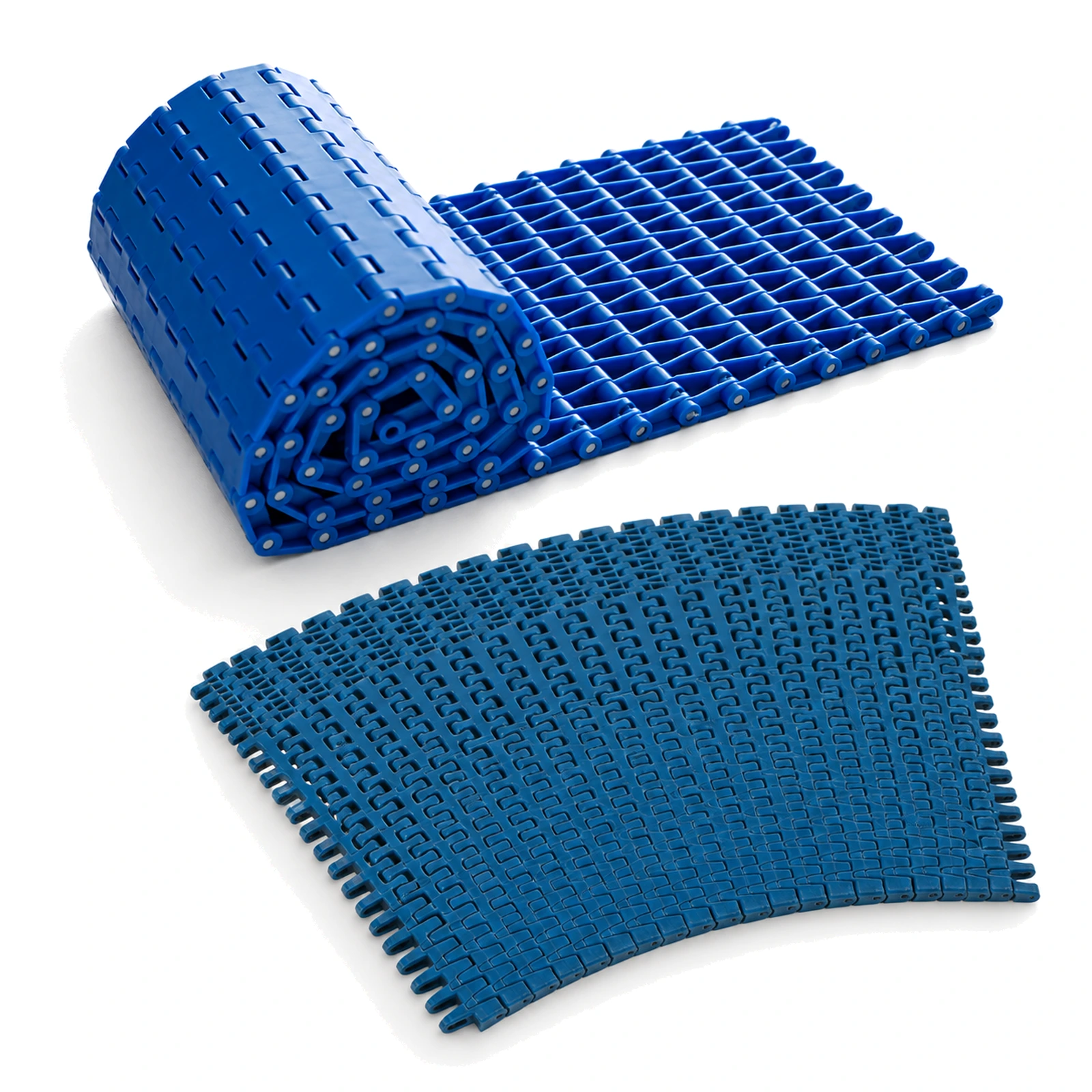
Component replacement allows suitable conveyors to remain in use as individual parts wear. A replaceable wear strip renews the chain’s running surface while retaining the surrounding beam and support structure.
Modular plastic belts also provide a route for local repair. Where the remaining belt is serviceable, damaged modules can be replaced with matching parts. The belt series and condition determine the appropriate repair.
Replacement decisions also need to account for sprocket and guide wear. Retaining damaged mating parts can put a new chain or belt at risk of further wear.
Energy and Material Use in Production
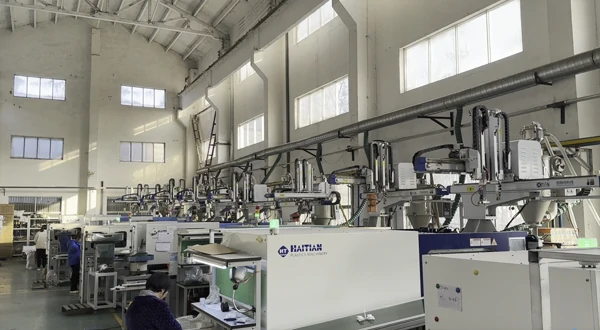
Moulding and machining consume energy as well as raw material. Rejected parts waste processing energy, while rework requires additional production steps.
Our improvement goals focus on reducing avoidable rejects and rework, making better use of raw materials and improving production energy efficiency. Defining dimensions and material before production helps avoid making parts that require rework.
Waste Recovery and Recycling
Plastic moulding waste and machining offcuts require recovery routes suited to their composition. Separating material types and preventing contamination help preserve recycling options.
We aim to improve opportunities for material recovery. Any reuse in component production needs to preserve the properties required for the finished part. Recovery decisions also depend on the available recycling facilities and the condition of the waste material.