
在新标签页中打开

Carton Conveying

Chain and modular-belt component support for cartons and cases moving between packing operations.

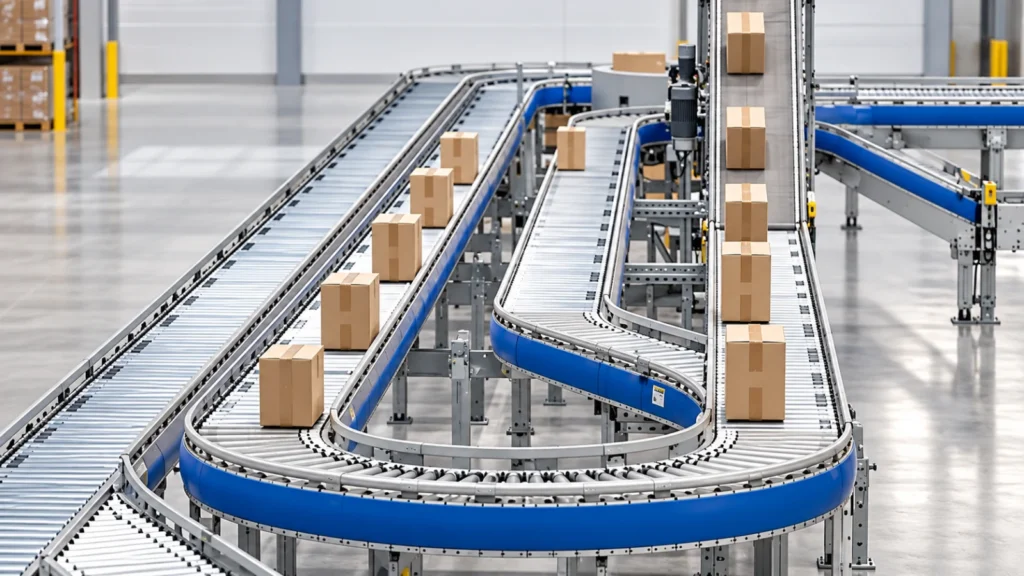
Cartons on a package conveying route

Keep the Case and Its Base in View

Cartons and cases move between sealing, labelling, inspection, and downstream handling. A small carton, a loaded case, and a package with uneven bottom flaps place different demands on support and transfer geometry.

CSTRANS supplies conveyor chains, plastic modular belts, and sprockets. We help identify the conveying component and its mating parts for a replacement or equipment-build request.

Problems to Locate Before Choosing a Part

Catching or Turning at a Transfer

A case can catch, rotate, or lose support where the conveying surfaces meet. The bottom shape, transfer gap, and relative surface heights all matter when investigating that point.

Pair the package footprint with the existing chain or belt width and transfer arrangement. CSTRANS can review the relevant chain or modular-belt family from that reference. The transfer geometry must still be checked as part of the conveyor design.
Different Carton Sizes on One Route

A guide setting that locates one carton may pinch a larger case or leave a smaller one free to skew. Package weight and base stiffness also change the handling conditions.

Describe the smallest and largest package formats and the guide-contact points. This gives the component discussion a defined size and load range, rather than a single carton photo being treated as proof of fit.

Replacing a Belt and Its Drive Parts

A replacement modular belt has to match the existing drive interface. Similar surface patterns do not establish that two belts use the same pitch or sprocket.

Send the belt series or reference together with its width and length. If the sprocket is being replaced too, include the matching belt or chain, tooth count, bore, and keyway details where known. CSTRANS’s belt and sprocket ranges allow the request to be reviewed as a connected set of parts.

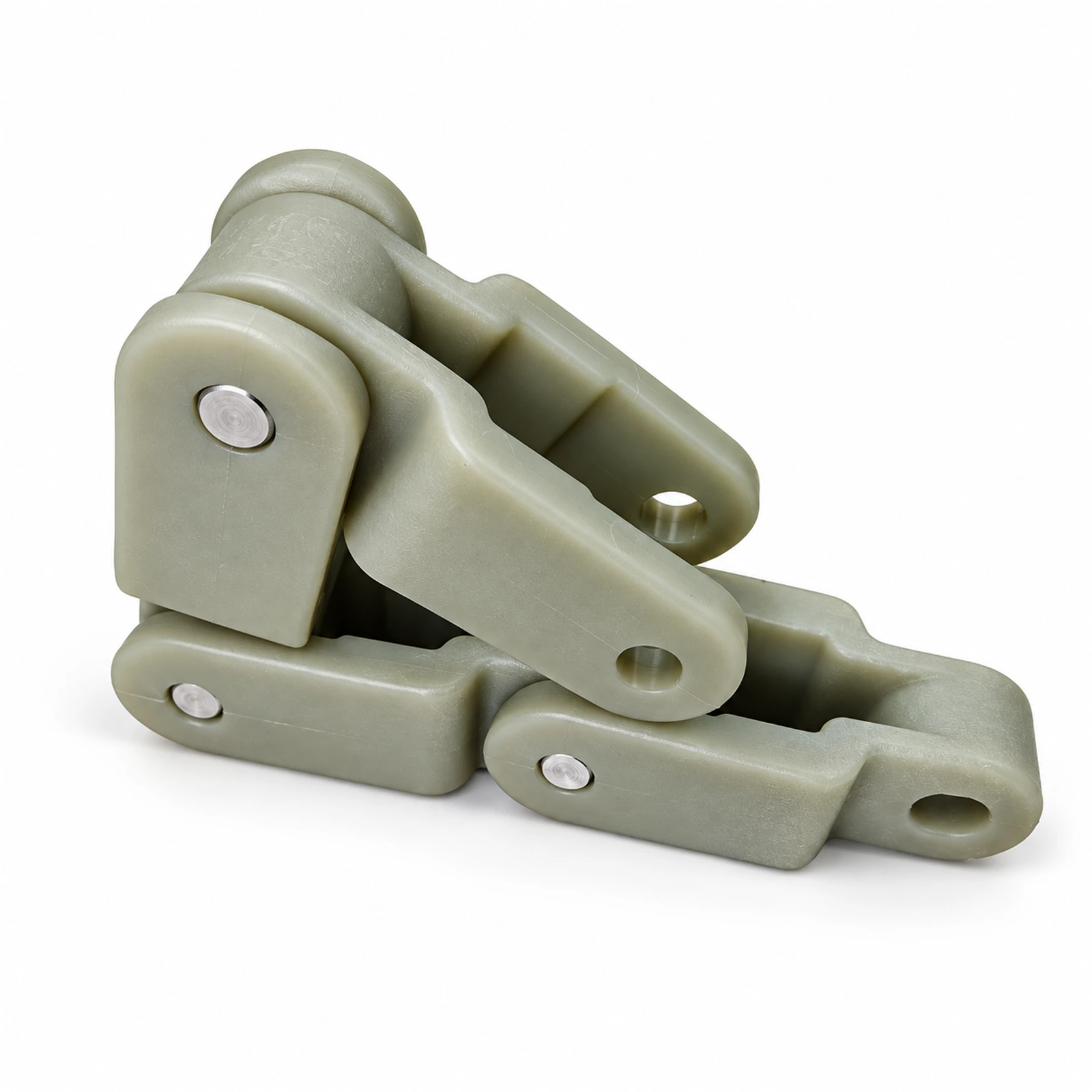
Close-up of case conveyor chain link structure
Conveyor chains and modular belts: identify the series before reviewing a replacement.

Identify the Conveying Surface and the Package

Keep the chain or belt reference with the carton-handling request. Add the package dimensions, loaded weight, base condition, and the point where a problem appears. A drawing description or photograph of the transfer can help explain the arrangement.

State any known accumulation, speed, incline, or loading conditions. Load capacity and compatibility need confirmation for the selected component and its installation.

Start With the Existing Part or Transfer

Use the collections to locate the chain or modular-belt family. If the reference or fit is uncertain, send a component brief with the carton and transfer details you have.