Company Culture
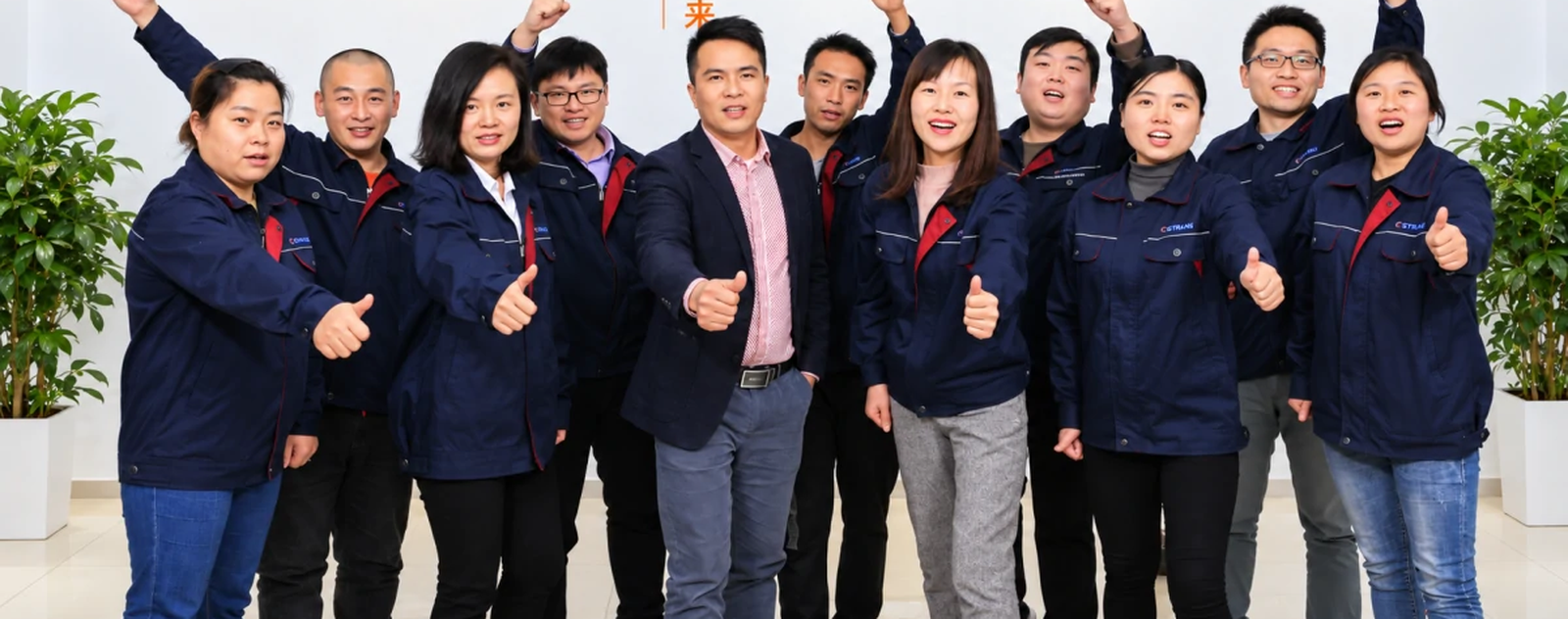
A conveyor component has to fit the equipment around it and the work the line needs to do. That practical relationship shapes our approach to manufacturing and customer cooperation. We value people who understand the product and can work through its details with others.
Explore our cultureQuality starts with the component
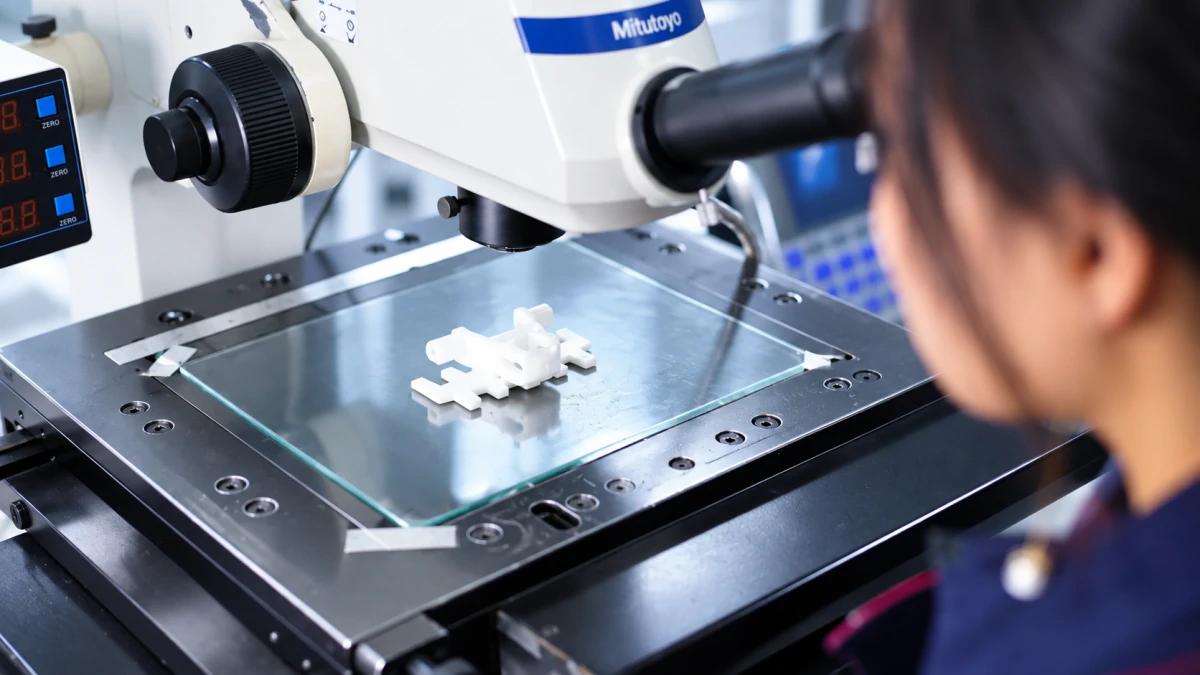
Quality begins with a clear understanding of the component and its intended use. Dimensions and material choice need attention, along with the connections to surrounding hardware. For a chain or modular belt, the sprocket and guide arrangement are part of that conversation.
Our manufacturing background includes mould development and component inspection. We see quality as a shared responsibility throughout this work. The priority is to clarify requirements early and work to the details agreed for the component.
Working through the details together
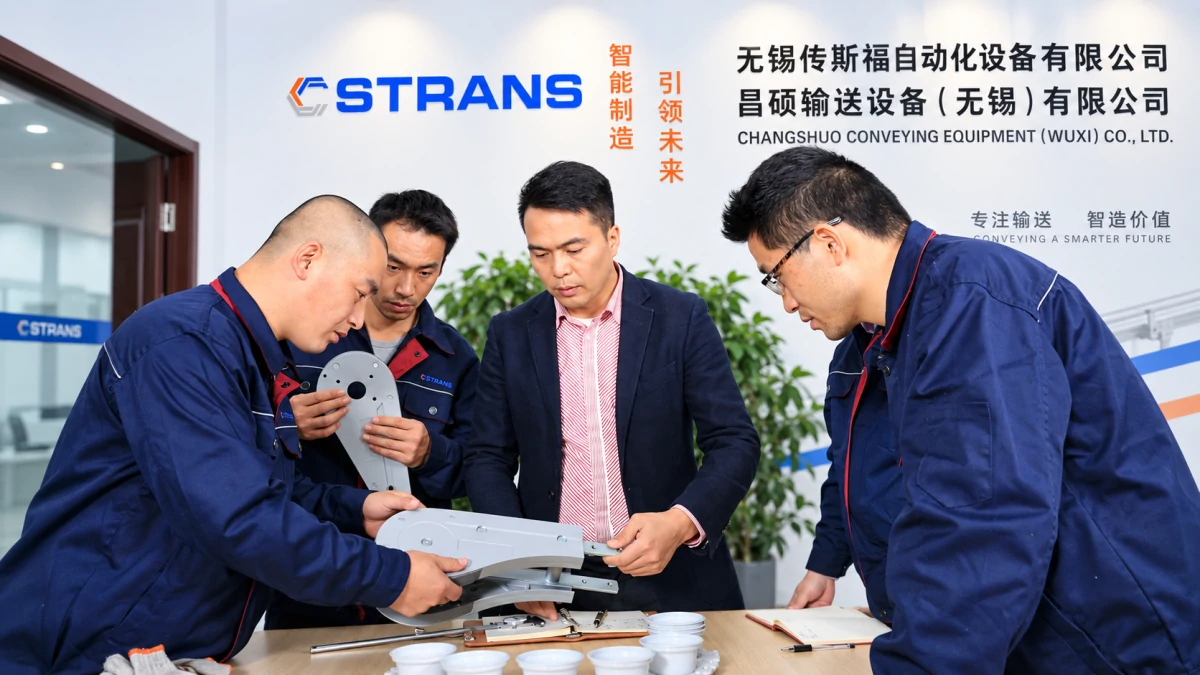
Understanding a component request means connecting product knowledge with manufacturing considerations and application needs. A customer’s drawing or existing part can give colleagues a common starting point.
We value open discussion around those details. Questions about material, geometry or mating parts should be brought into the conversation early, so the team can work towards the same understanding of the request.
Learning through practical work
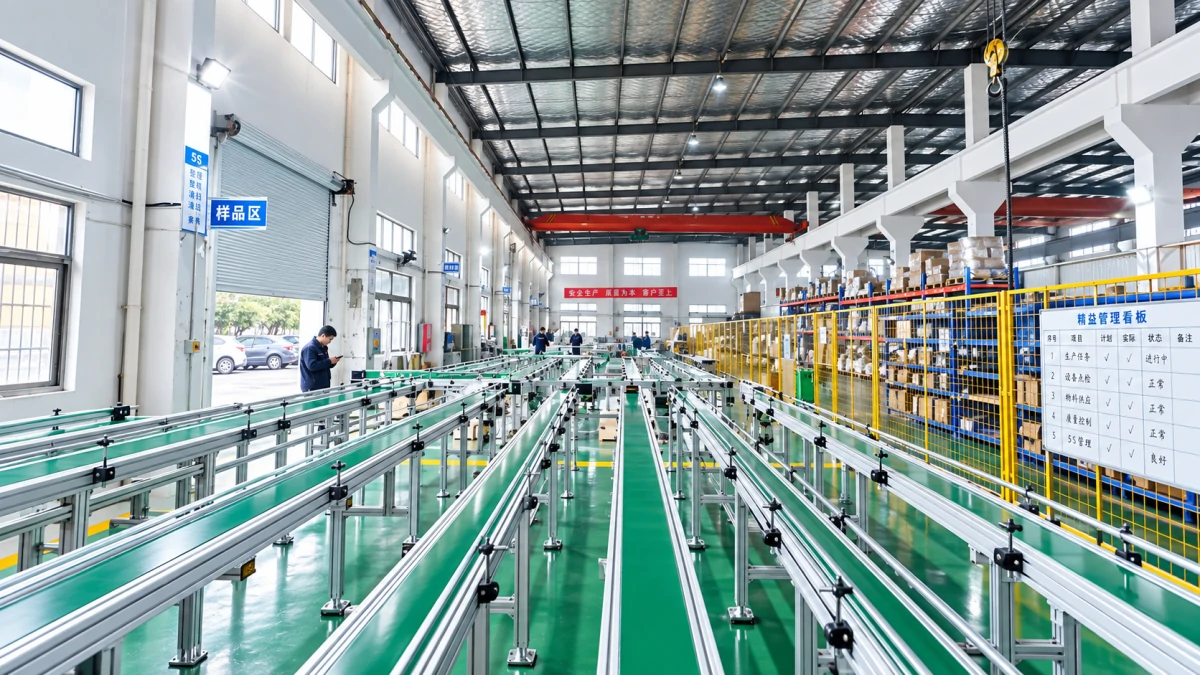
Product knowledge develops through practical work. Looking closely at a component, comparing different designs and discussing how they are used can reveal details that a model name alone cannot explain.
We want people to build confidence in explaining those differences and to share what they learn with colleagues. For us, developing skills means building a better understanding of products and using that knowledge in everyday decisions.
Straightforward customer relationships
Good cooperation gives both sides a clear understanding of what is being supplied. We value direct conversations about the part and the conditions in which it will operate.
Where a requirement needs clarification, we prefer to discuss it openly. This includes material suitability and compatibility, as well as custom work and supply terms. Customer relationships should grow from useful technical exchanges and agreements that both sides understand.
Improvement with a practical purpose
We look for improvements that make our work more useful to customers. Clearer product information and lessons from component discussions are relevant to that effort. Progress should help people make better decisions about the part and its place in the conveyor.