
Conveyor Side Guide Rails
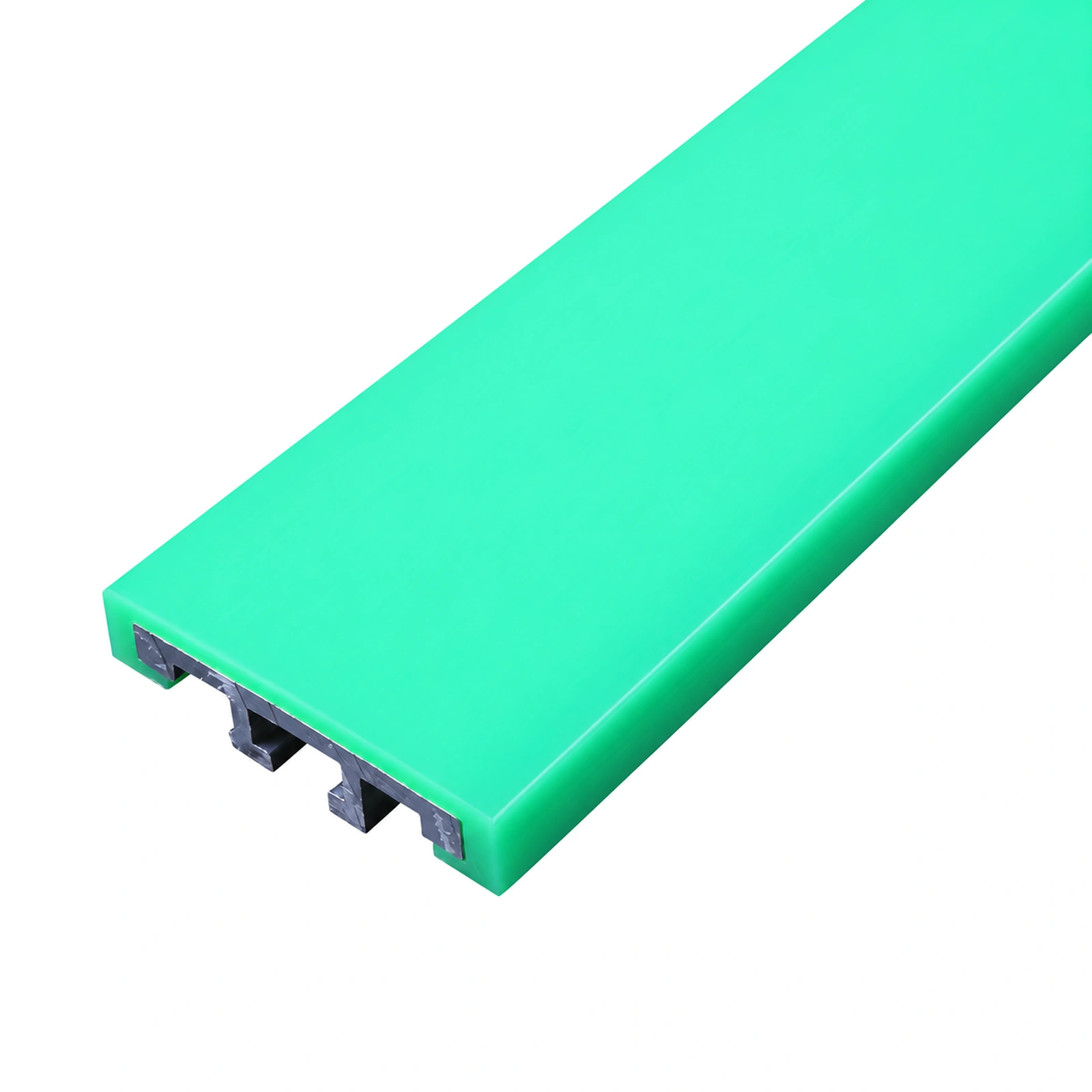
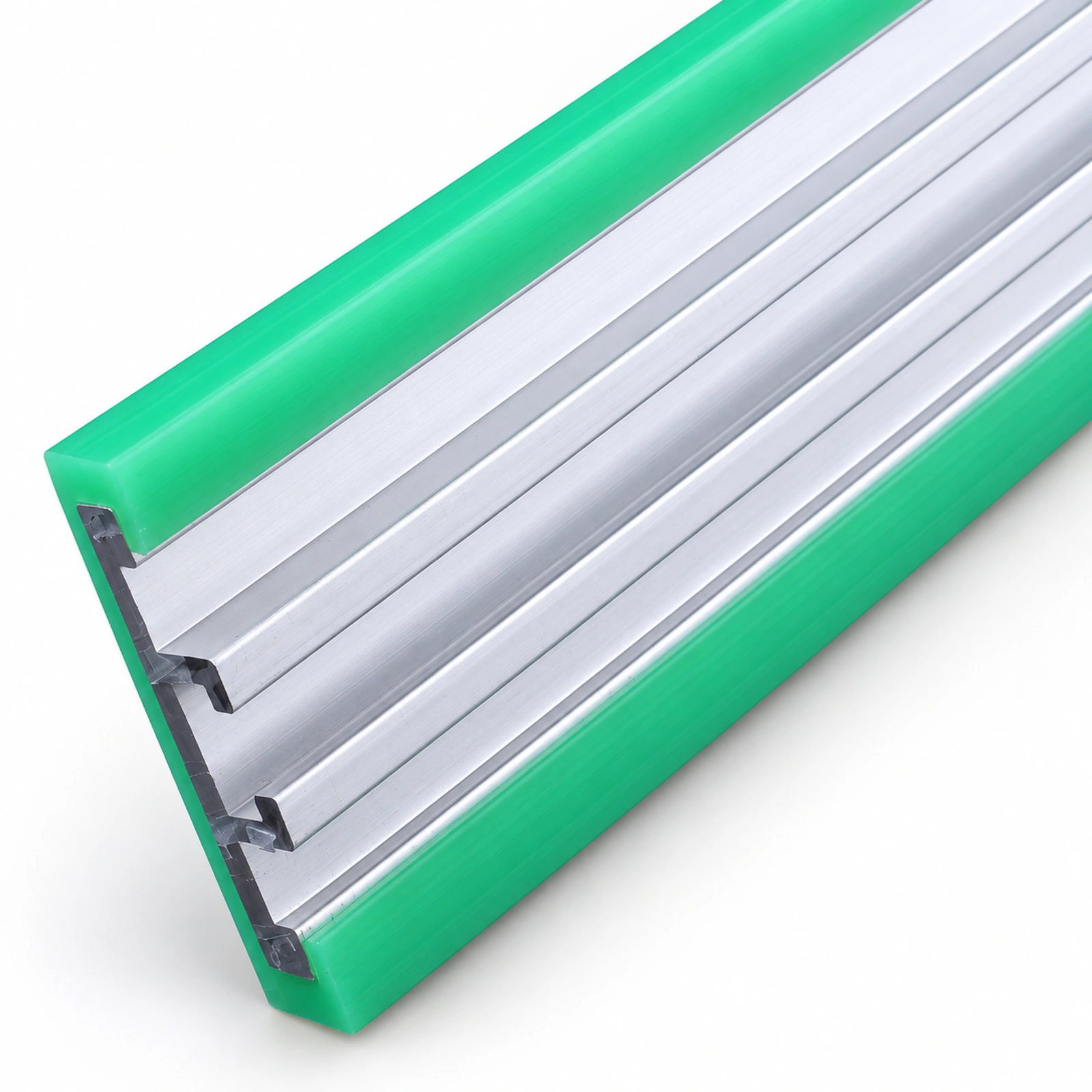
CSTRANS supplies conveyor side guide rails for controlling the product path along a conveyor. The range includes profile-and-strip guide construction, 23, 33 and 40 mm guide-strip widths, and small aluminum rail versions identified as 905 and 906. An M-shaped rail also has a matching hollow guide clamp. These options help equipment teams set product clearance and keep the guide aligned into the next conveyor section.
Product contact
Set the Product Contact Face
CSTRANS guide assemblies use a profile and fitted strip or cover, so the rail section and contact piece need to be considered together. The 23, 33 and 40 mm strip widths give builders defined options for the contact-strip geometry. Selecting the strip with the product shape and rail profile in view helps create a consistent lateral boundary along the run, rather than leaving a product to meet the support hardware behind the guide.
Rail mounting
Match the Rail to Its Mounting Interface
CSTRANS pairs its M-shaped guide rail with a hollow guide-rail clamp and supplies related guide brackets. The clamp-to-rail fit and bracket position determine where the guide sits relative to the conveyor frame. When those interfaces are planned together, the guide can be placed at the intended product clearance through a straight section and toward the next conveyor element. A similar-looking rail with the wrong clamp interface can leave the mounting position unresolved.
Replacement geometry
Keep Replacement Geometry in View
CSTRANS lists 905 and 906 small aluminum guide-rail versions, identified as 38 and 50 types. Matching an installed rail's cross-section and bracket connection keeps the replacement contact edge in the planned position. That matters near a turn, infeed or transfer, where an offset guide can change the product path.

Application / Line Context
At an infeed, the first guide contact should bring products onto the intended path without pinching the available conveying width. Along a straight run, a continuous product-facing edge helps limit lateral drift, especially before a downstream operation that expects a stable position. At a turn, the guide route needs to follow the product's swept path; the rail and support geometry must be checked for that layout rather than assuming every profile can bend. At a discharge or side handoff, the guide needs to end or continue at a point that does not obstruct product movement into the receiving section. Profile, strip and mounting choices therefore affect both local contact and the continuity of the whole conveyor route.