
Conveyor Transfer Plate
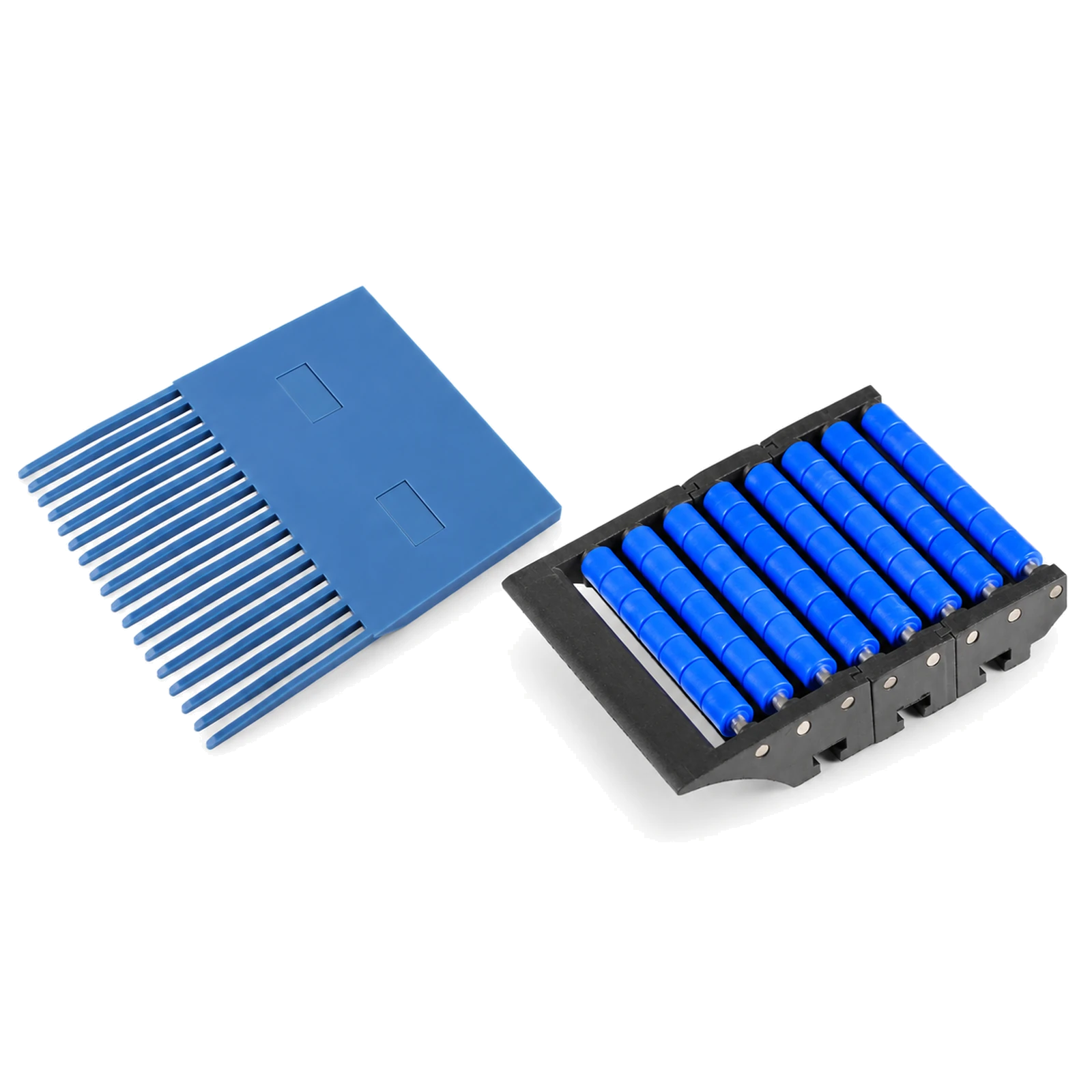
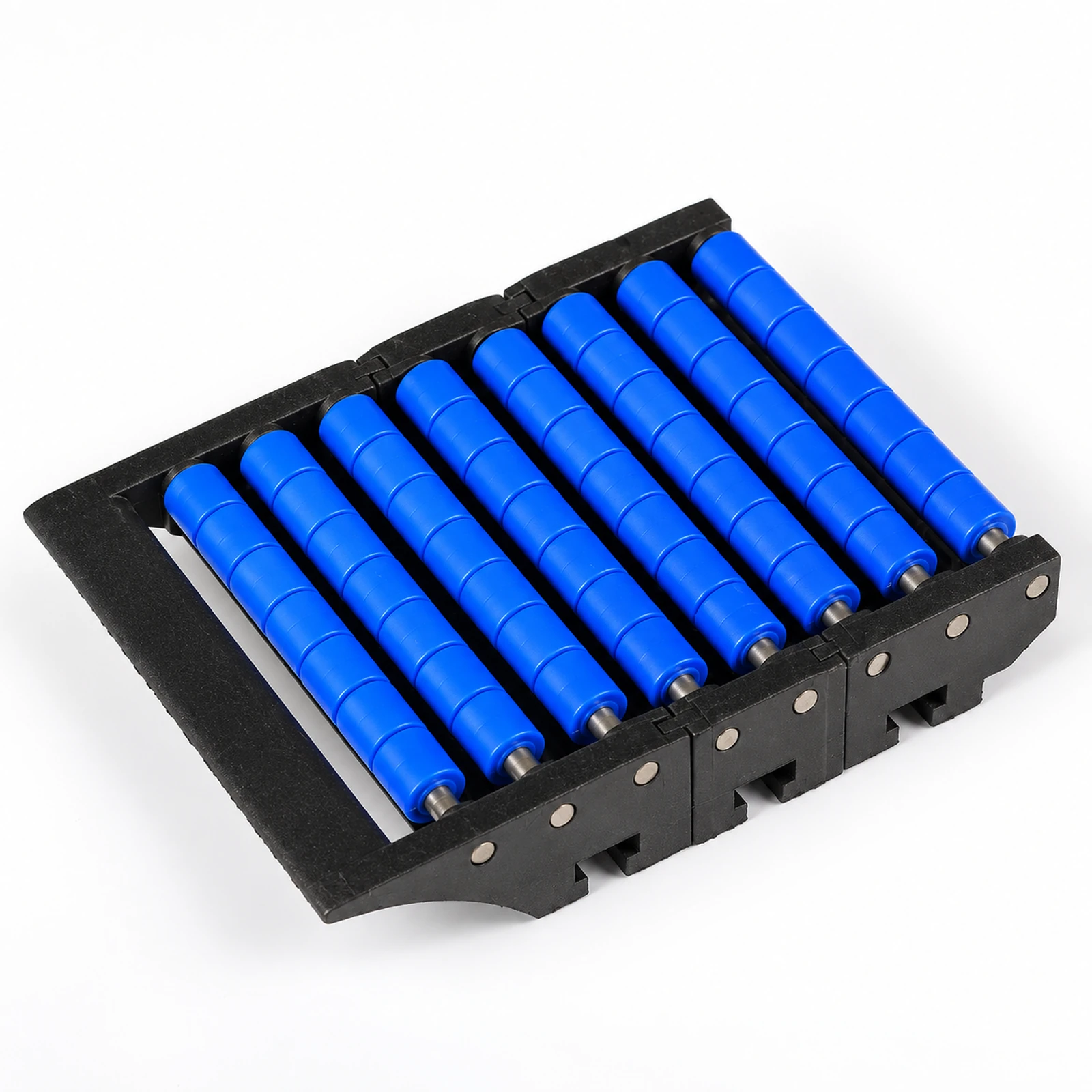
CSTRANS supplies transfer plates for selected raised-rib modular belts and separate ball transfer plates for conveyor junctions. The raised-rib plates match specific belt families; the ball plates add rolling contact where products need to cross or change direction. Both address the same line problem: how a product leaves one carrying surface and reaches the next without an unsupported handoff.
Raised rib pairing
Match the Plate to the Raised-Rib Belt
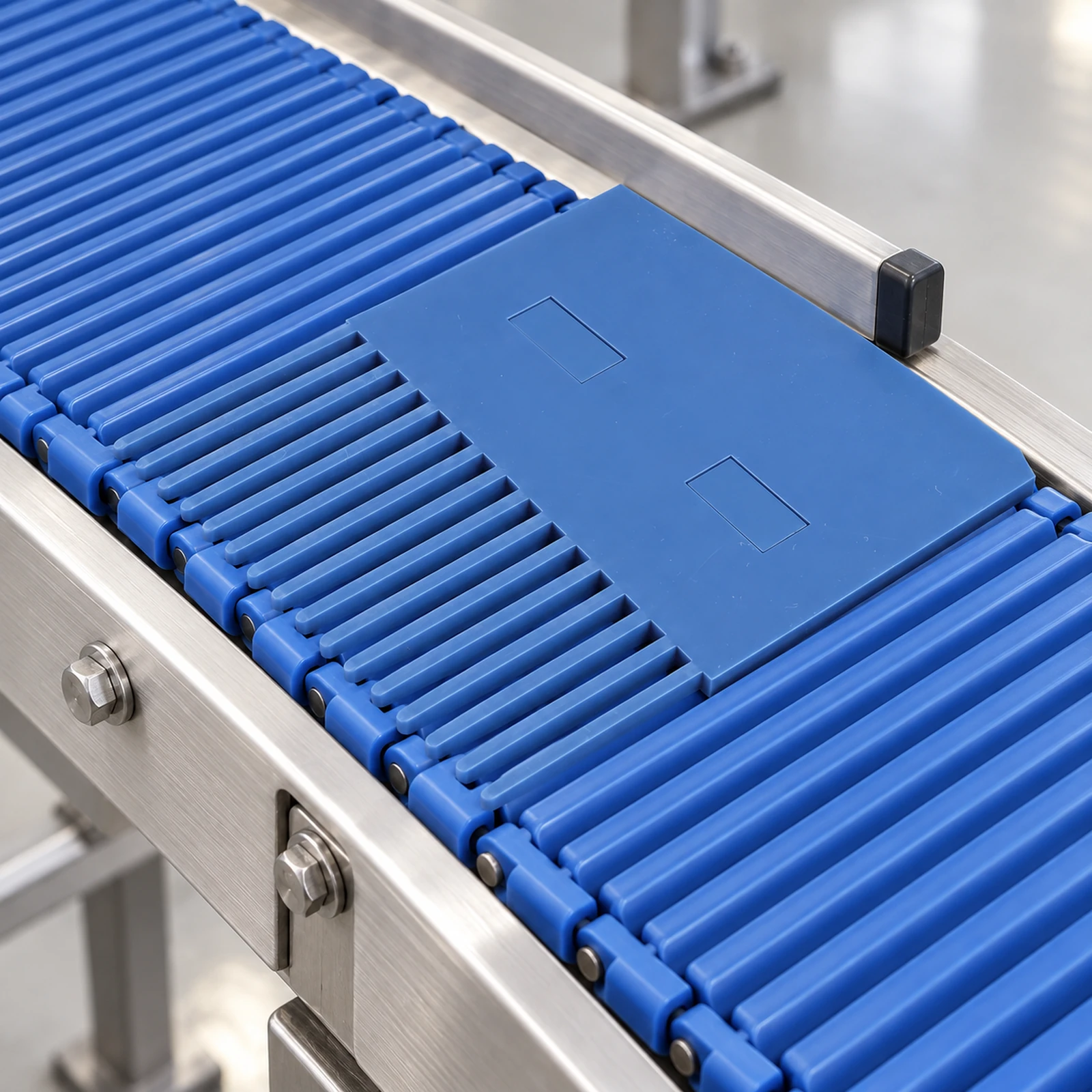
CSTRANS has mating transfer plates for raised-rib 2720, 5083, 5712 and 5713 modular belts. The plate teeth enter the spaces between the belt ribs as the belt turns around the discharge end, giving the product a path off the moving belt. These are belt-specific fittings for the named raised-rib series. Matching the series first protects the handoff geometry the plate is meant to provide.
Discharge geometry
Size the Discharge Interface
The plate also has to fit the actual discharge. CSTRANS lists an 18-tooth 2720 plate, 12-tooth 5712 plates in 146 mm and 220 mm lengths, and 28-tooth 5713 plates in 147 mm and 220 mm lengths. Tooth pattern, plate length, mounting position and the height of the receiving surface determine where support passes from belt to plate to the next section. A correct belt pairing still needs the product base and transfer gap checked against the installed layout.
Rolling transfer
Use Rolling Contact Where the Product Must Reposition
CSTRANS also lists ball transfer plates separately from the raised-rib fittings. The blue 85 mm family has long A, medium B and short C pieces; a purple 125 mm long piece is another form. Rolling balls can reduce sliding contact and help redirect a flat-based product across a junction. Width and piece selection follow the receiving layout rather than the raised-rib belt model.
Application / Line Context
At a modular-belt discharge, the belt bends away while the product must continue forward. A correctly paired raised-rib plate reaches between the ribs and carries the product base toward the downstream surface; an excessive height step or gap can still interrupt that motion. At a ball-plate junction, rolling contact changes how a flat base moves across the fixed interface and can assist a change in travel direction. In either case, the product footprint, upstream belt or conveyor form, plate position and downstream entry need to work as one transition. The plate is a small component, but its contact with the product determines whether the next section receives it in the intended position.