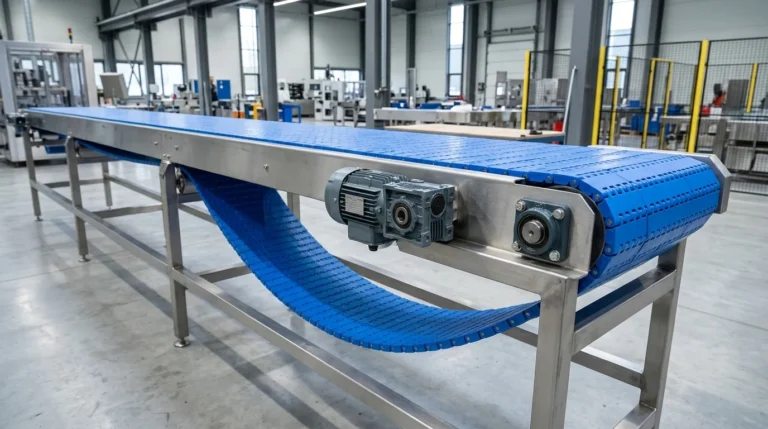
Catenary Sag in Modular Belt Conveyors: What to Check on the Return Run
Check catenary sag location, span, depth and clearance. Separate operating changes from pitch wear before adjusting a modular belt conveyor.

Articles on conveyor part identification, material selection, cleaning and component compatibility.
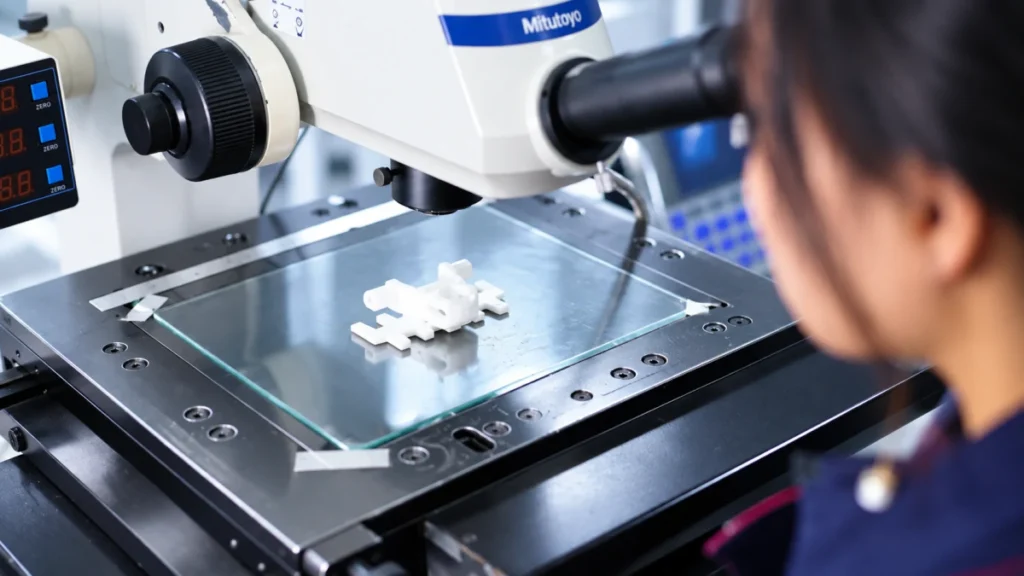
Check catenary sag location, span, depth and clearance. Separate operating changes from pitch wear before adjusting a modular belt conveyor.
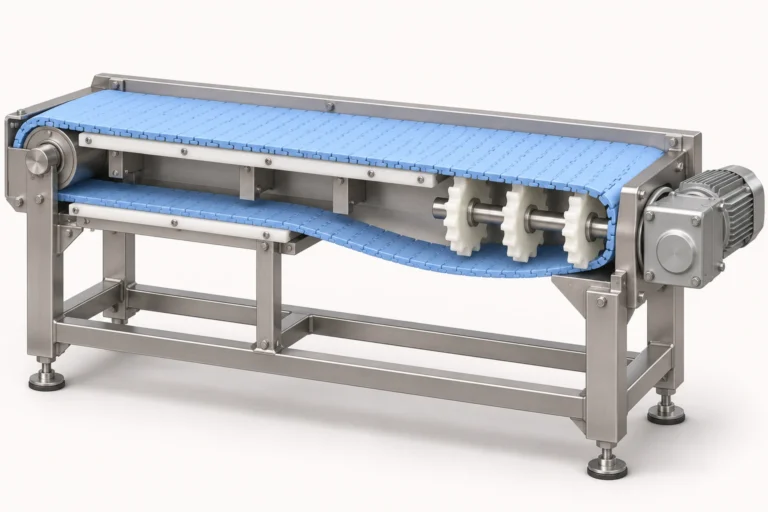
Match modular belts and sprockets with the carryway, return and discharge. Check surface, curve geometry, belt pull and component inputs before ordering.
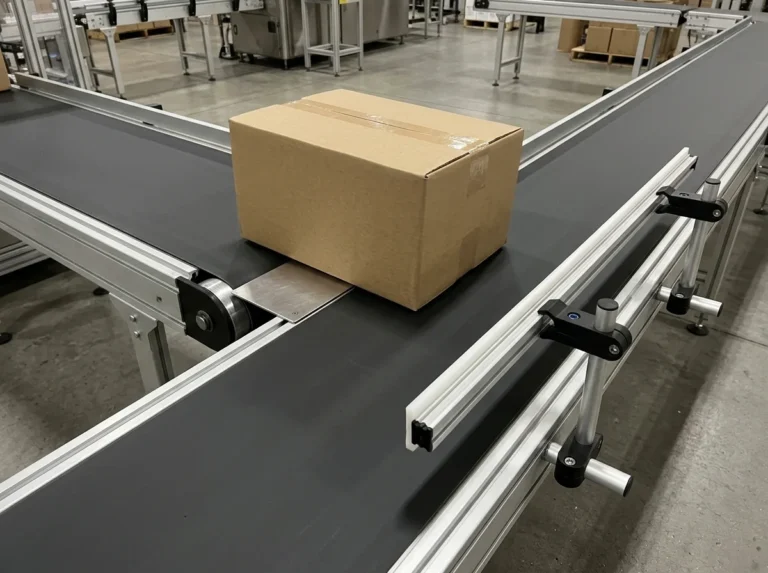
Choose a 90-degree conveyor transfer by product orientation, base support and flow. Compare guided handoffs, pop-ups, pushers and roller-based systems.
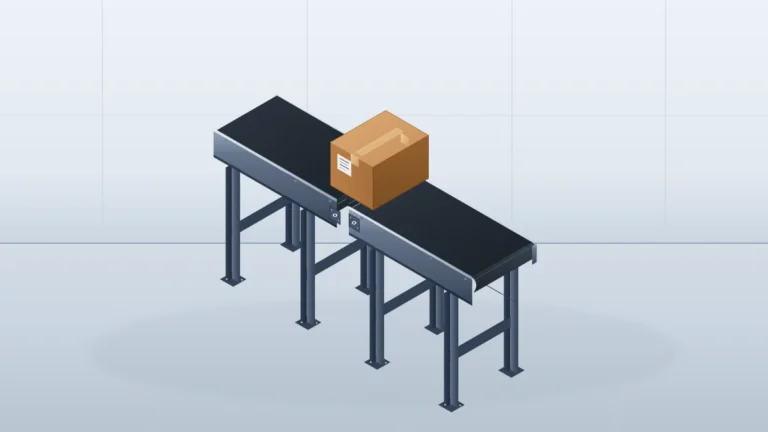
Compare end-to-end, side-to-side, and 90-degree conveyor transfers. Check the product base, gap, belt speeds, and transfer hardware before specifying parts.
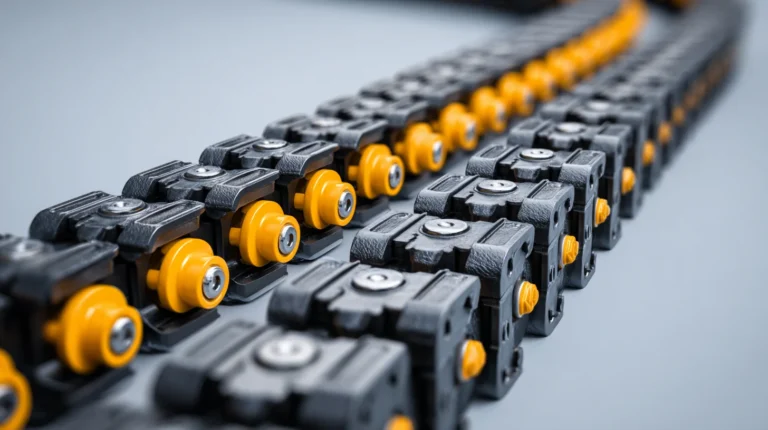
Select a plastic conveyor chain by construction, route, allowable pull, material and food-contact conditions, then match its sprockets and support.
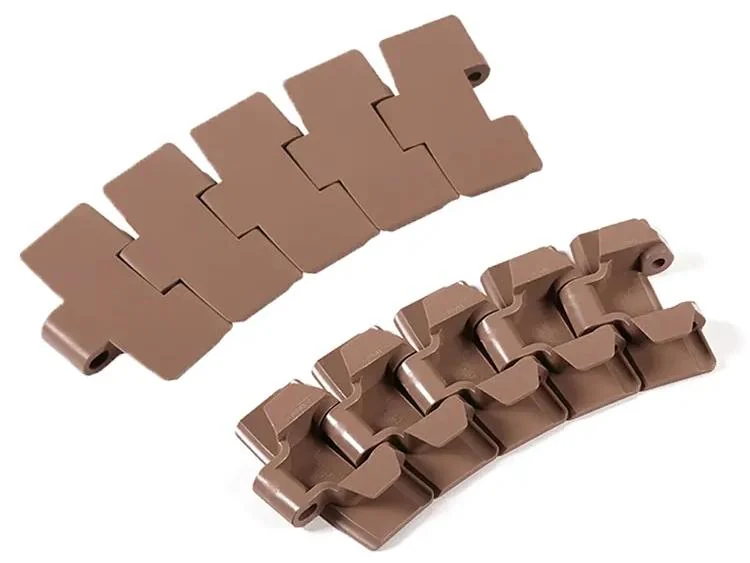
A side-flexing chain is designed to articulate laterally so the conveyor can follow horizontal curves. A straight-running chain is designed for a straight conveyor path and cannot follow the same curved track.
Browse the product range for a known component family, or use the application pages to check which handling conditions affect selection.