
W24 Conveyor Wear Strip
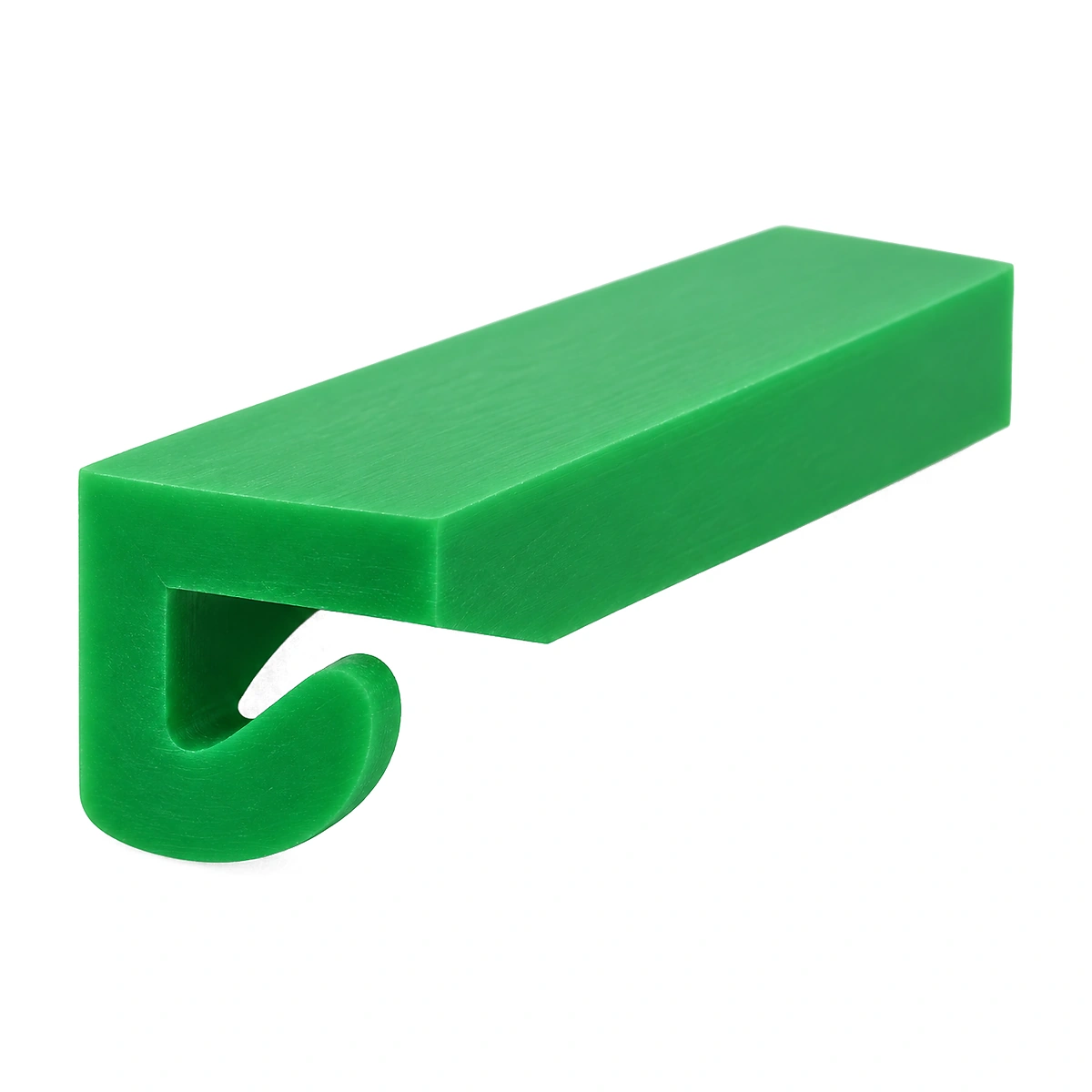
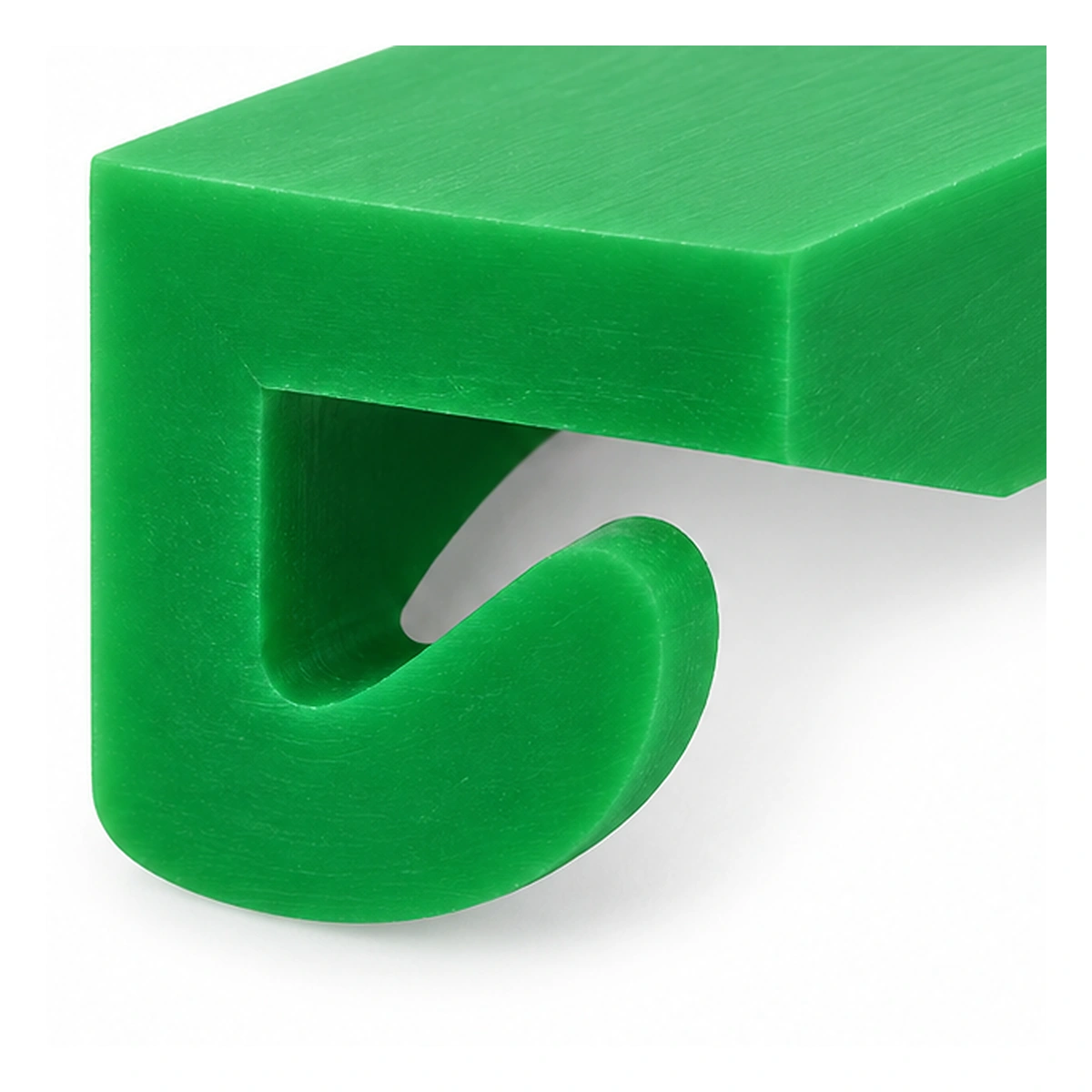
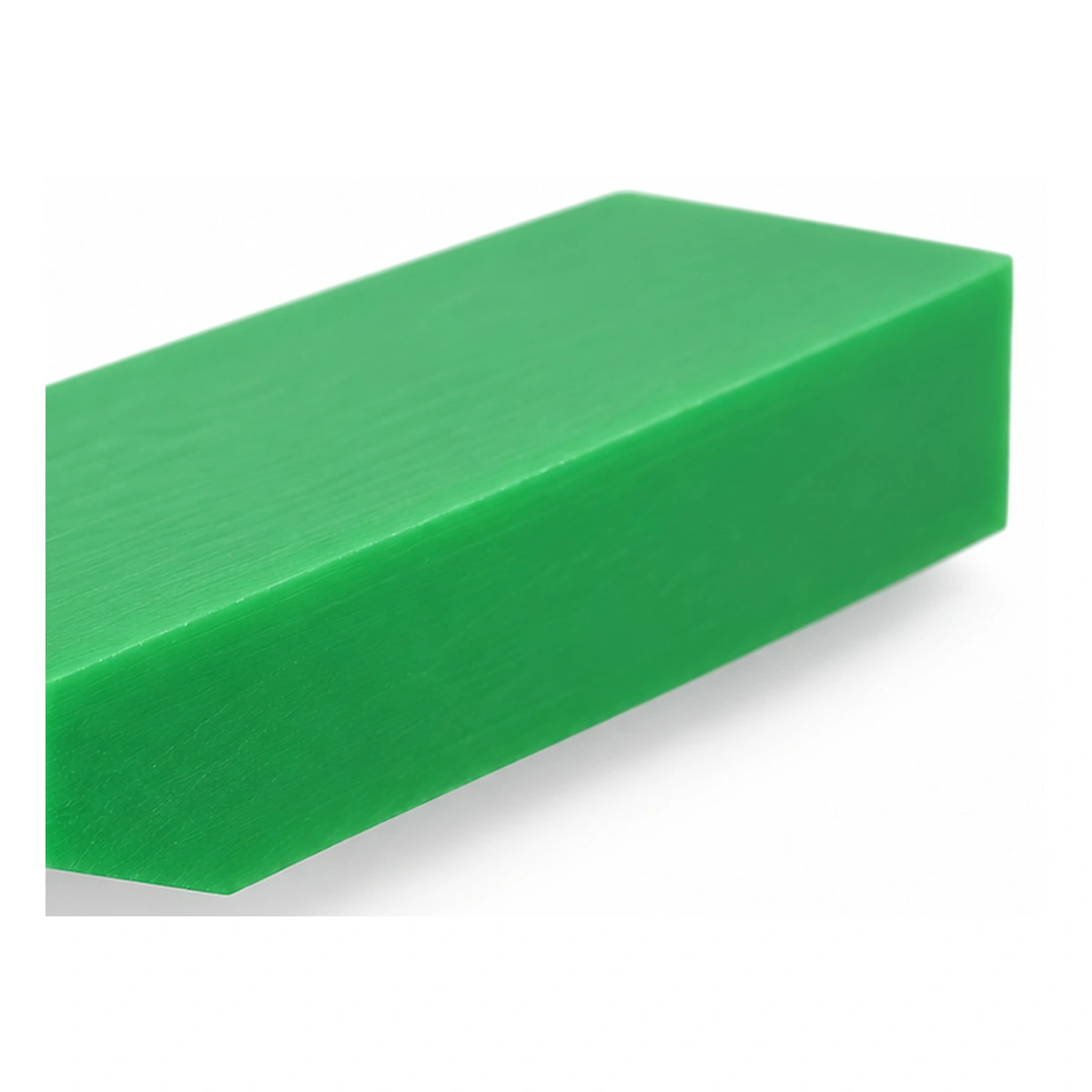
W24 combines a flat upper face with a downward side leg and an inward-curving lower return. The hooked section makes the mating support edge a key part of the fit check.
- Model
- W24
- Upper Face
- Flat
- Lower Feature
- Hooked return
Compare the Hook and Support Edge
Check the space inside the return and the support thickness before deciding how to install the profile.
Fit the Return Beneath the Support Edge
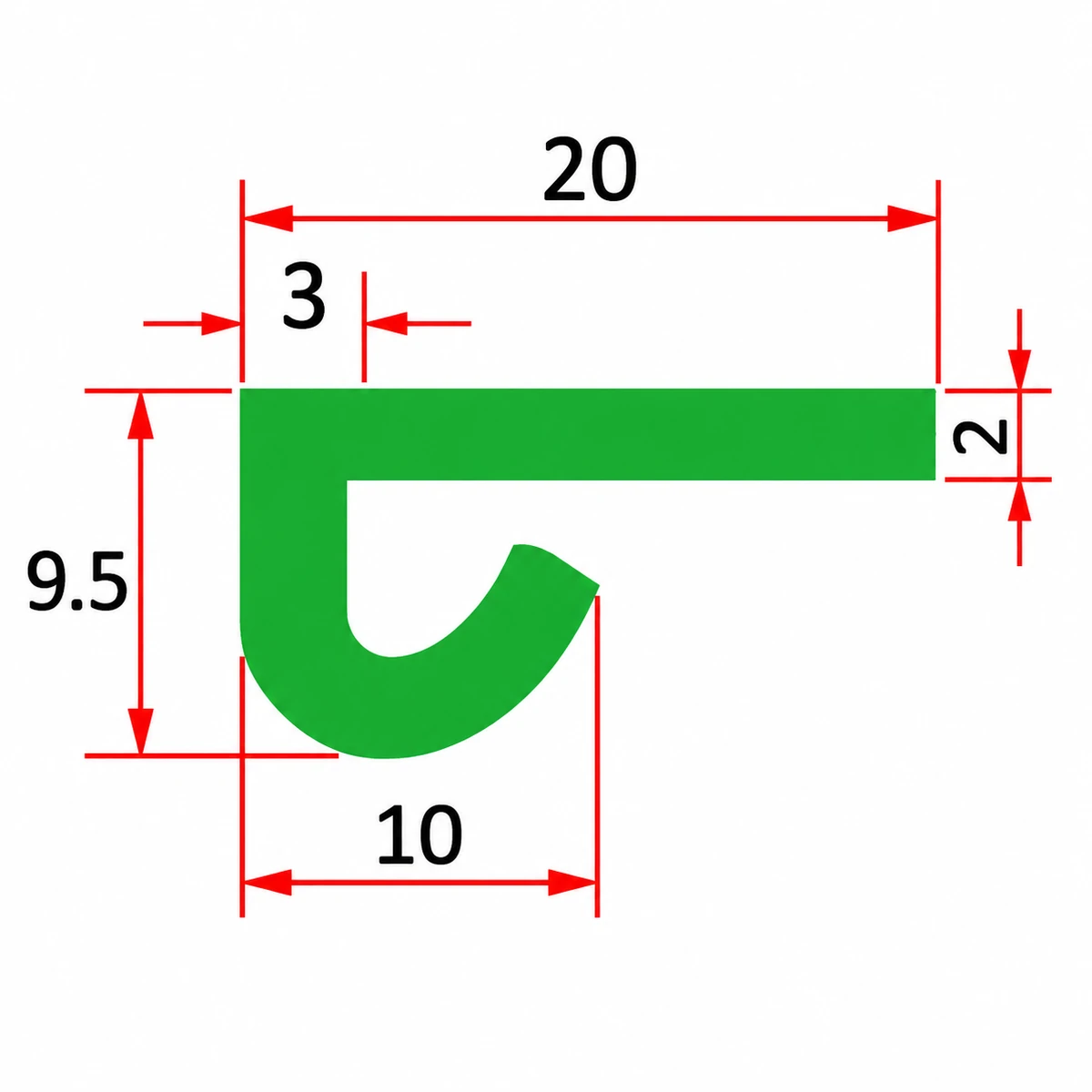
The W24 drawing shows a horizontal face extending from a vertical side. The lower portion curves back inward beneath that face. This shape needs a support with enough space for the return and the intended seating position.
Check how the strip can be fitted and retained along the installed conveyor. End access and nearby brackets may affect assembly even where the cross-section appears to match. Material and installation method should be agreed for the actual support.
Specifications
| Parameter | Specification |
|---|---|
| Model | Specification: W24 |
| Section features | Specification: Flat upper face, side leg, hooked lower return |
| Component type | Specification: Conveyor wear strip |
Check the Space Inside the Return
Compare the hook opening, side height and upper-face thickness with the mating edge. Show the intended running orientation. Check for interference with fasteners or cross-members beneath the strip.
At a strip joint, the upper faces should follow the same support level. Plan retention and expansion space so the lower return remains seated along the required length.
A Wear Surface Around a Support Edge
This section can be considered where a conveyor's supporting edge requires a return beneath the running face. The hook shape affects retention and the space available below the contact surface.
An existing installation should be checked at the ends and bracket positions before replacement. Obstructions beneath the edge may prevent a matching profile from reaching its intended seat.
Review the W24 Hook Fit
Send the support-edge section and an unworn W24 reference, with required lengths and quantity. Show any brackets that restrict installation along the edge.