
5083D Directional Roller Top Modular Belt
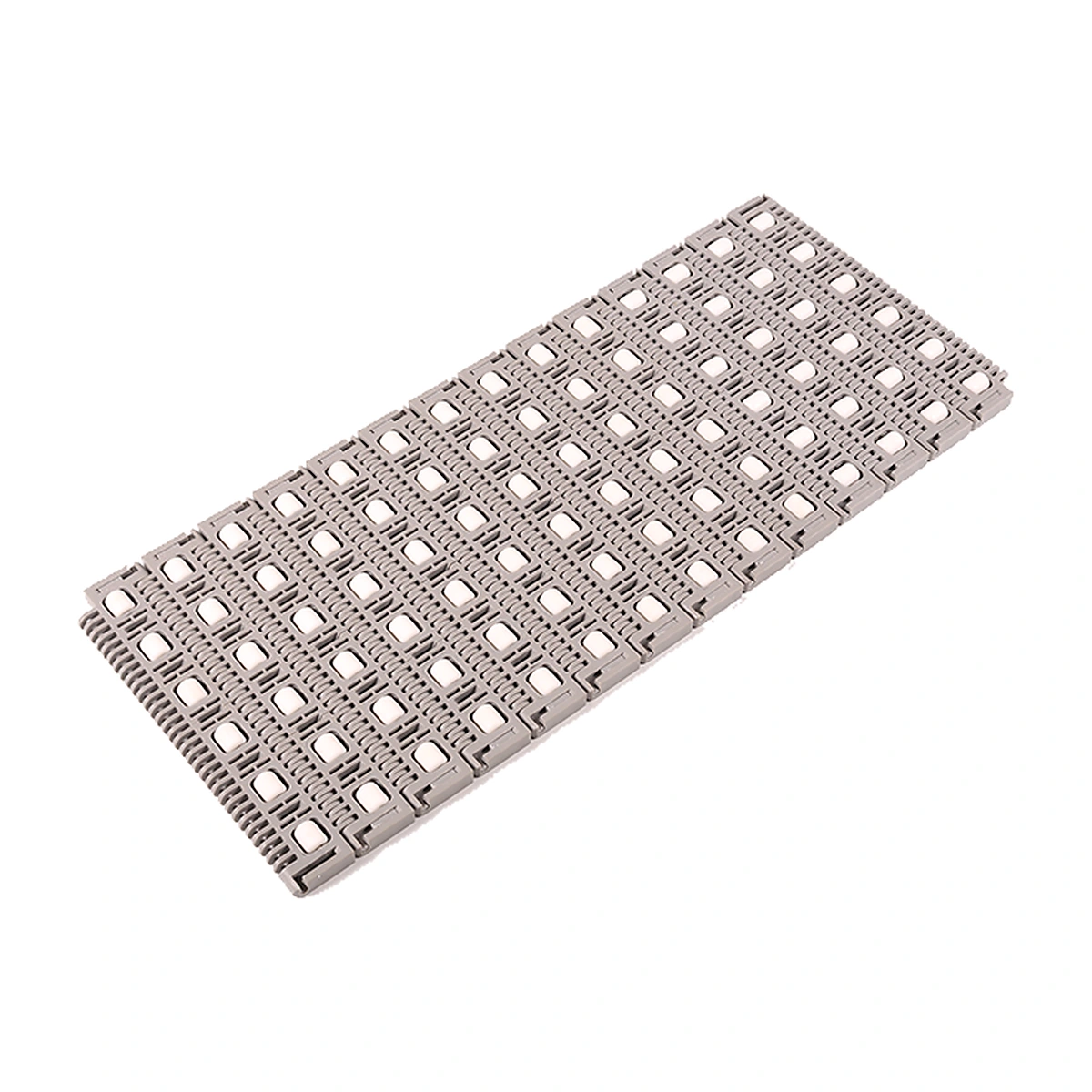
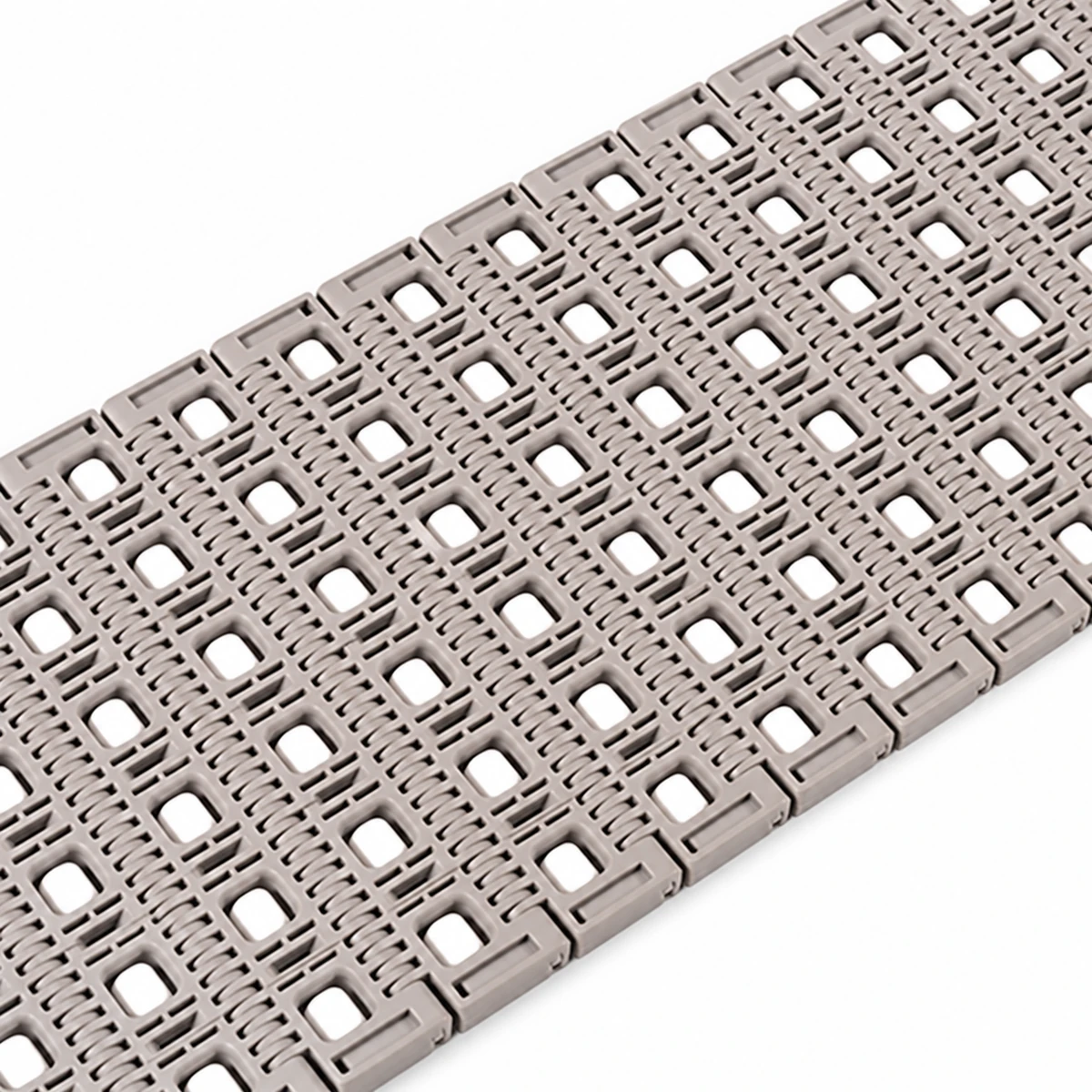
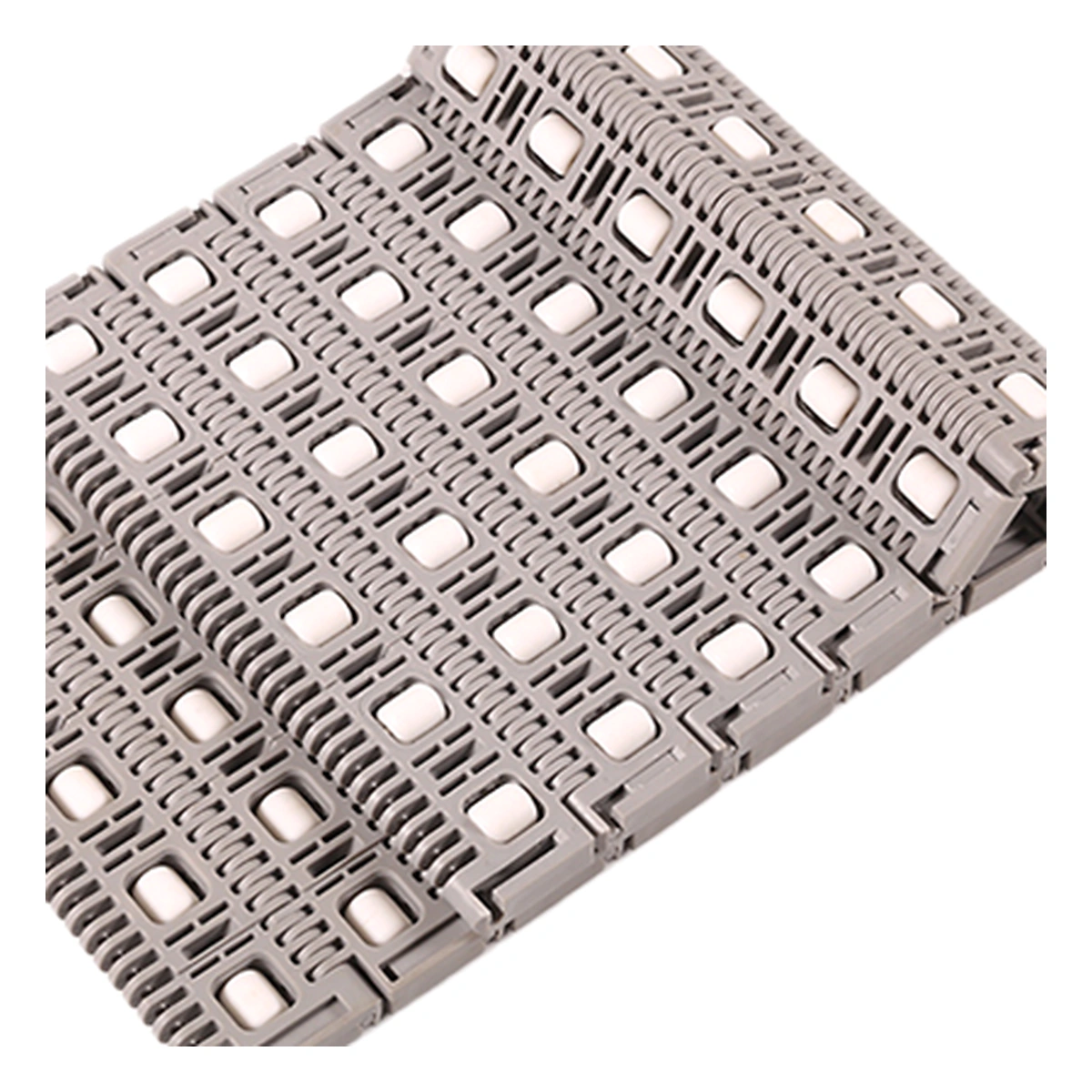
5083D places directional rollers within a modular belt body. The rollers provide rolling contact along their permitted direction, so orientation matters when planning product movement.
- Contact Type
- Directional roller top
- Pin Diameter
- 6.3 mm / 0.248 in
- Backflex Radius
- 51 mm / 2.008 in
Mark the Required Rolling Direction
Show the product's intended movement relative to belt travel. Roller orientation must support that motion in the installed arrangement.
Give Product Movement a Direction
The rollers on 5083D turn about their axes. They provide a defined rolling direction at the product contact rather than equal freedom in every horizontal direction. This makes roller orientation part of the conveyor layout.
The product base must reach enough rollers to remain supported. Guides, stops or the adjoining conveyor then establish where that product travels or comes to rest. The belt alone does not define an automatic sorting sequence.
Specifications
| Parameter | Specification |
|---|---|
| Model | Specification: 5083D |
| Surface | Specification: Directional roller top |
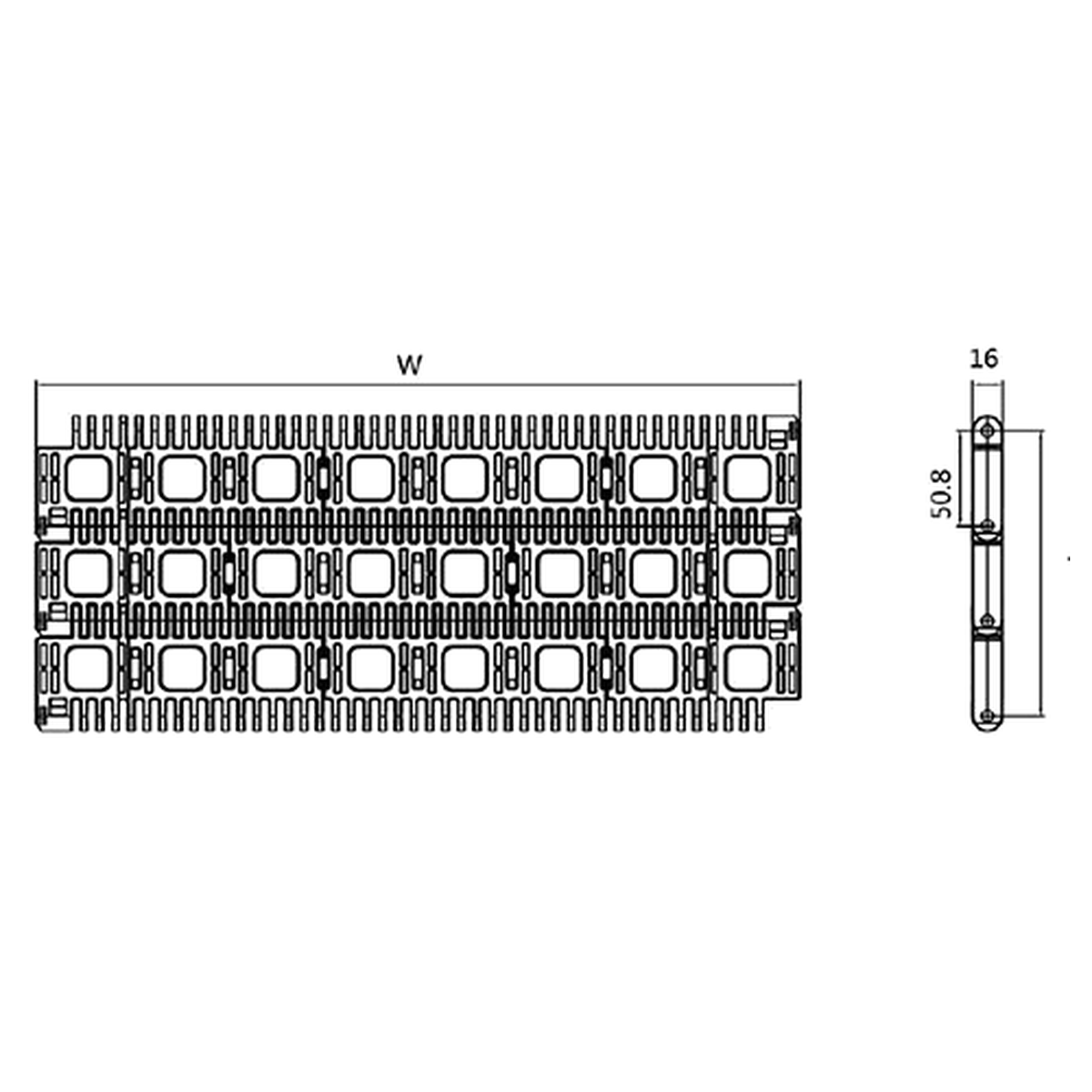
| Pitch | Specification: 50.8 mm / 2 in |
| Belt materials | Specification: POM / PP |
| Pin materials | Specification: POM / PP / PA6 |
| Pin diameter | Specification: 6.3 mm / 0.248 in |
| Open area | Specification: 18% |
| Backflex radius | Specification: 51 mm / 2.008 in |
| Belt mass | Specification: 15 kg/m² / 3.072 lb/ft² |
| POM temperature range | Specification: −5 to 80 °C / 23 to 176 °F |
| PP temperature range | Specification: 1 to 90 °C / 33.8 to 194 °F |
Check Roller Orientation and Base Contact
Compare the roller axes with the required product movement. Review the supporting track below the belt and any contact that influences roller rotation.
Check the smallest rigid base against the roller spacing. Soft packs may contact the surrounding body as well as the rollers. Review 51 mm backflex on the return and ensure fixed parts clear the moving contacts.
Guide Relative Motion at a Transfer
Directional rollers are relevant where a product must move relative to the carrying belt along a planned direction. A side guide or receiving surface can influence that movement, but its position must suit the roller axes.
At a stop, the base contacts and restraining force determine how the product behaves while the belt continues moving. Check that condition with the actual product rather than assuming friction or load performance from roller geometry.
Define Your 5083D Roller Orientation
Send width, belt length and quantity with a sketch showing belt travel and required product movement. Include product-base dimensions and the support or guide arrangement.