
40P / 60P Chain Sprockets
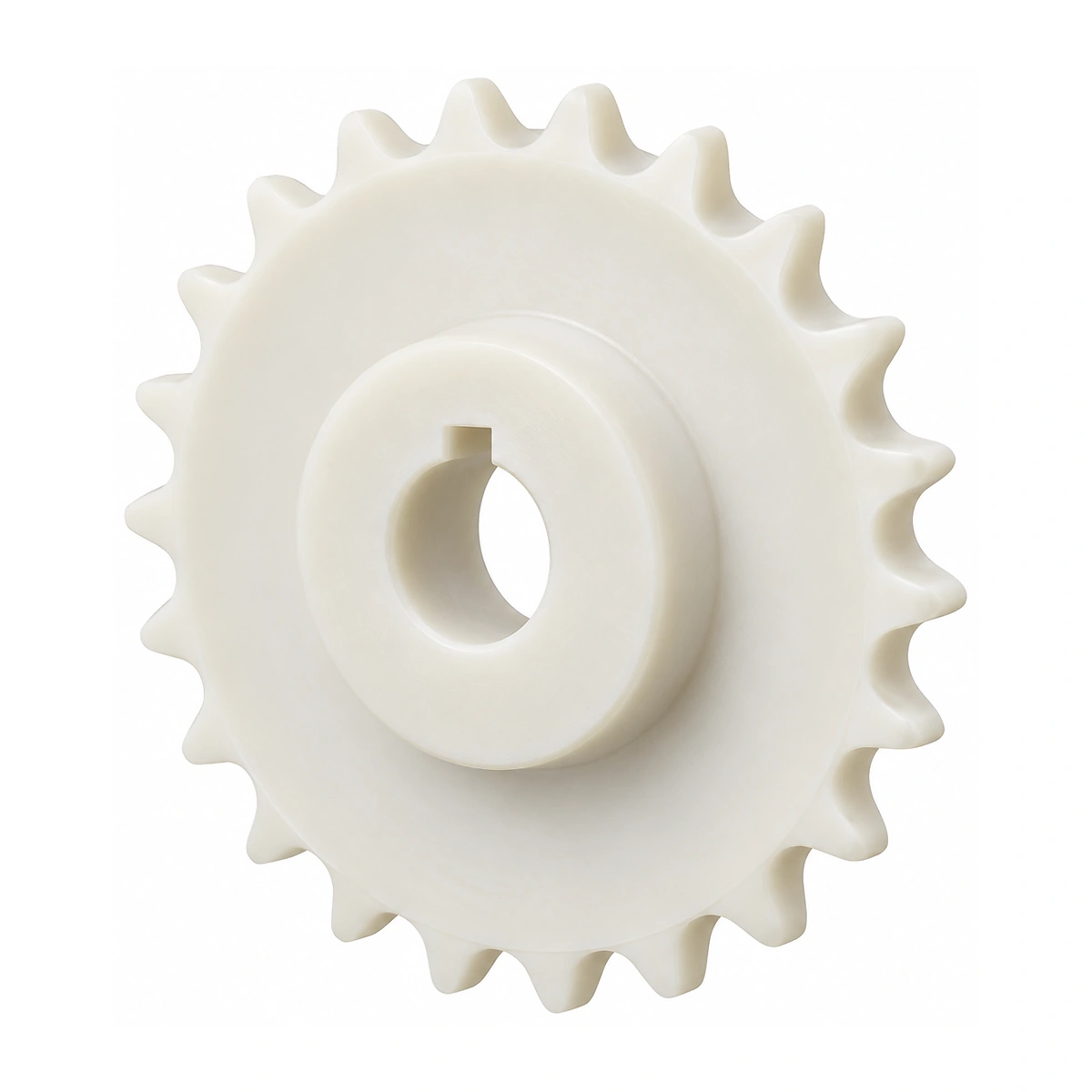
These sprockets are selected for 40P or 60P conveyor chains. The two chain families have different pitches, so identify the chain before choosing the tooth count and shaft connection.
- Chain Family
- 40P / 60P
- Matching Chain Pitch
- 12.7 / 19.05 mm respectively
- Selection
- Chain-specific tooth geometry
Match the Chain Before the Shaft
A matching bore does not establish tooth engagement. Confirm the chain family and pitch, then review the mounting geometry.
Establish the Chain Engagement First
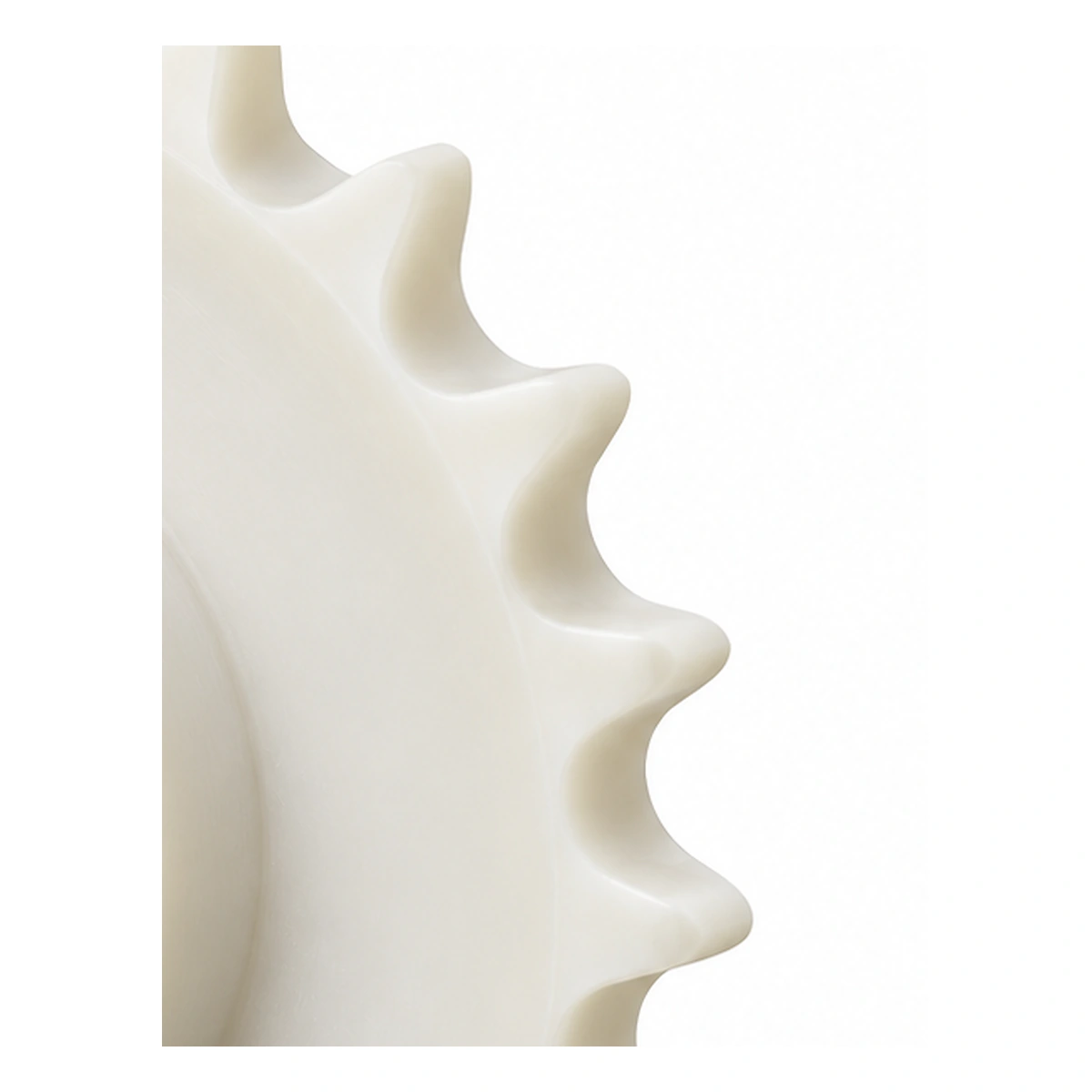
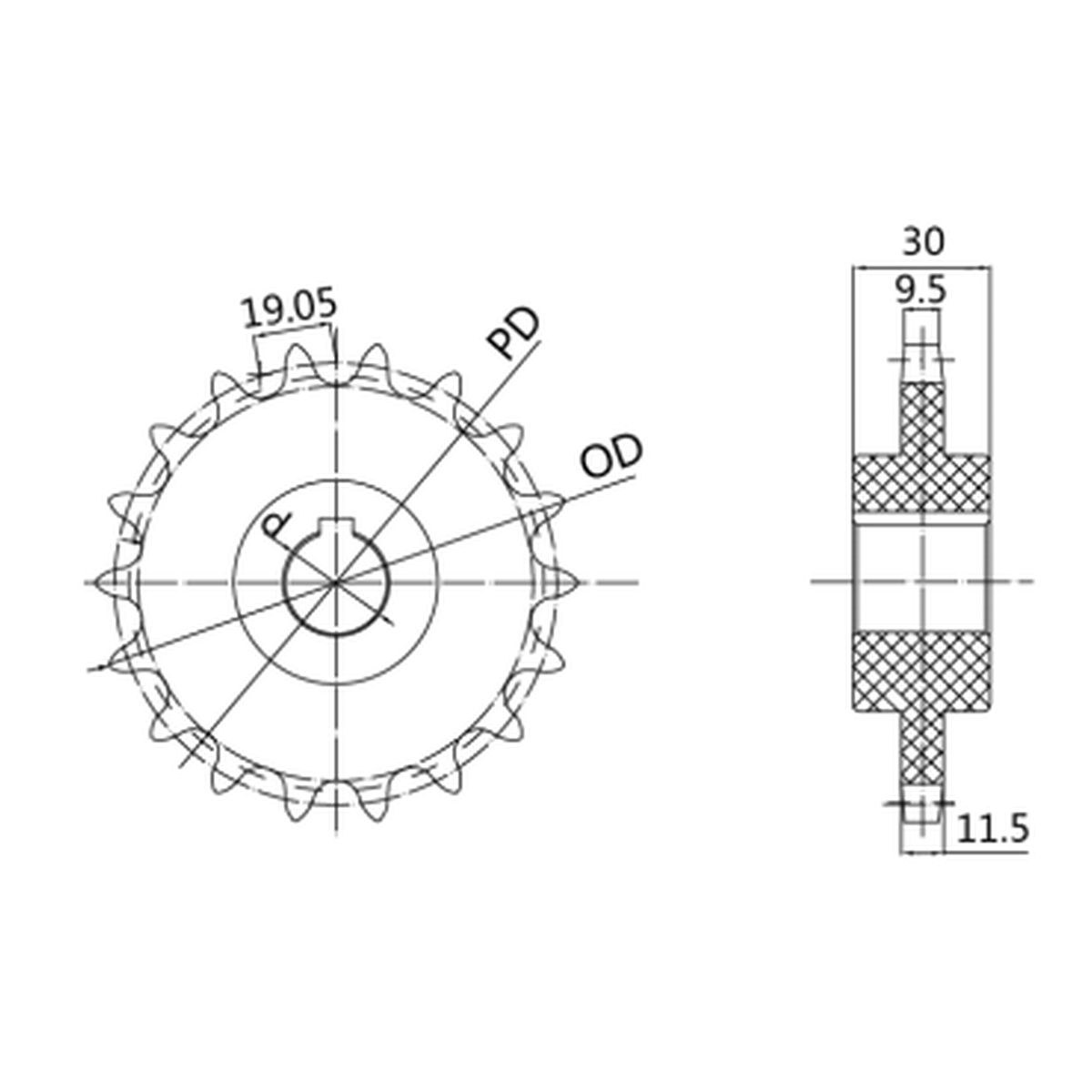
Sprocket teeth engage the moving chain at the drive or return end. The 40P chain pitch is 12.7 mm, while 60P uses 19.05 mm. These values describe the mating chain and must remain distinct when identifying the sprocket.
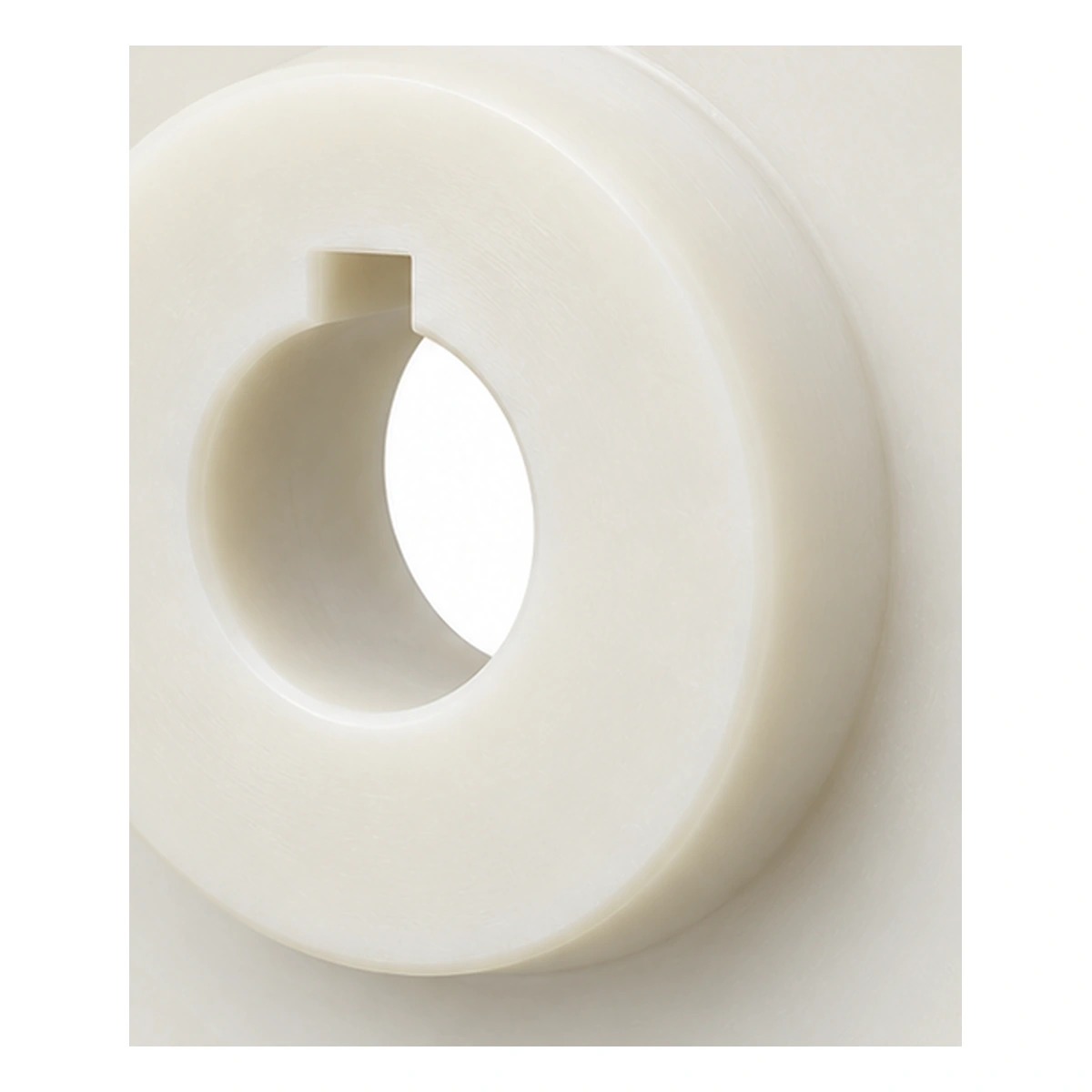
Tooth count affects the sprocket's running diameter and the conveyor-end envelope. The hub and shaft connection then determine how the selected sprocket is mounted. Provide the installed chain reference as well as a shaft drawing for replacement work.
Specifications
| Mating Chain | Pitch | Imperial Equivalent |
|---|---|---|
| 40P | Pitch: 12.7 mm | Imperial Equivalent: 0.5 in |
| 60P | Pitch: 19.05 mm | Imperial Equivalent: 0.75 in |
Confirm sprocket tooth count, bore and hub configuration for the selected chain.
Check the Hub Beside the Chain Path
Compare tooth engagement and the space around the hub with the chain underside. Specify the tooth count or existing sprocket reference. Check the outer envelope against nearby frame and transfer parts.
For a drive position, show the shaft and required torque connection. For an idler position, identify how the sprocket is supported and retained. Confirm keyway or bearing-seat details where the arrangement requires them.
Drive or Redirect a Small-Pitch Conveyor Chain
At the conveyor end, the sprocket establishes the chain's curved path around the shaft. Chain pitch and tooth count determine that geometry and its relationship to the adjacent transfer.
When renewing a sprocket, inspect the chain engagement and hub clearance together. A different shaft fit or hub shape can interfere with the returning chain even where the pitch matches.
Identify the Chain and Sprocket Pair
Send the 40P or 60P chain reference, tooth count, shaft drawing and quantity. Identify the drive or idler position and include the existing sprocket section if available.