
Opens in a new tab

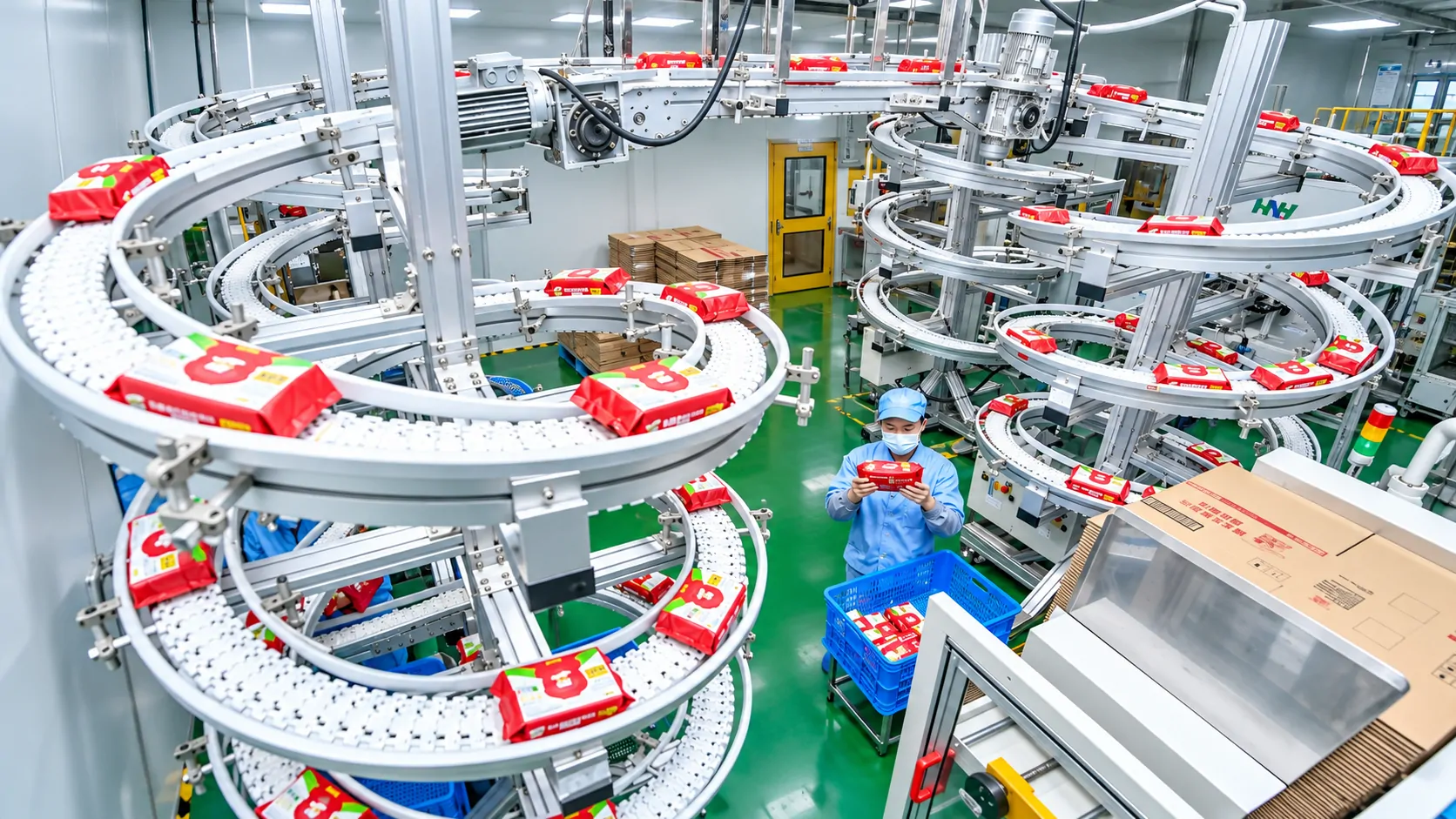
Tissue & Hygiene Product Conveying

Modular belts, conveyor chains and transfer components for tissue rolls, hygiene-product bundles and wipe packs.

Straight-running and radius modular belt examples

Support Rolls, Stacks and Soft Packs

An upright tissue roll, an unwrapped wipe stack and a diaper bundle behave differently during transport. Product orientation, compressibility and wrapping condition affect the support needed between converting and packaging operations.

We supply straight-running and radius modular belts, chains, matching sprockets and guide components. Selected belt series are assembled to the required dimensions within their width increments.

Transfers, Guide Contact and Packaging Queues

Support Across Transfers and Bends

A roll can tip at a height change; a soft bundle can sag into a gap. Loose edges on an unwrapped stack need support through the junction.

Match belt width and transfer geometry to the product footprint. Radius-belt selection also depends on the conveyor’s inner radius and belt width. Raised-rib belts use matching comb transfer plates.
Guide Pressure and Pack Sizes

Guides that locate a firm roll may compress a soft pack. A wider bundle can catch at an infeed that passes a smaller format freely.

Check guide clearance using the full product range, including loose wrapping and projecting pack edges. Guide height and contact profile determine where lateral pressure acts on the product.

Queues Before the Wrapper

Products waiting for a wrapper experience different contact conditions from products moving at line speed. An unwrapped stack may shift under pressure; a wrapped pack presents a different contact surface.

Define whether products slide on the belt or stop with it during accumulation. The buffering and release controls must suit the packaging machine’s feed sequence.

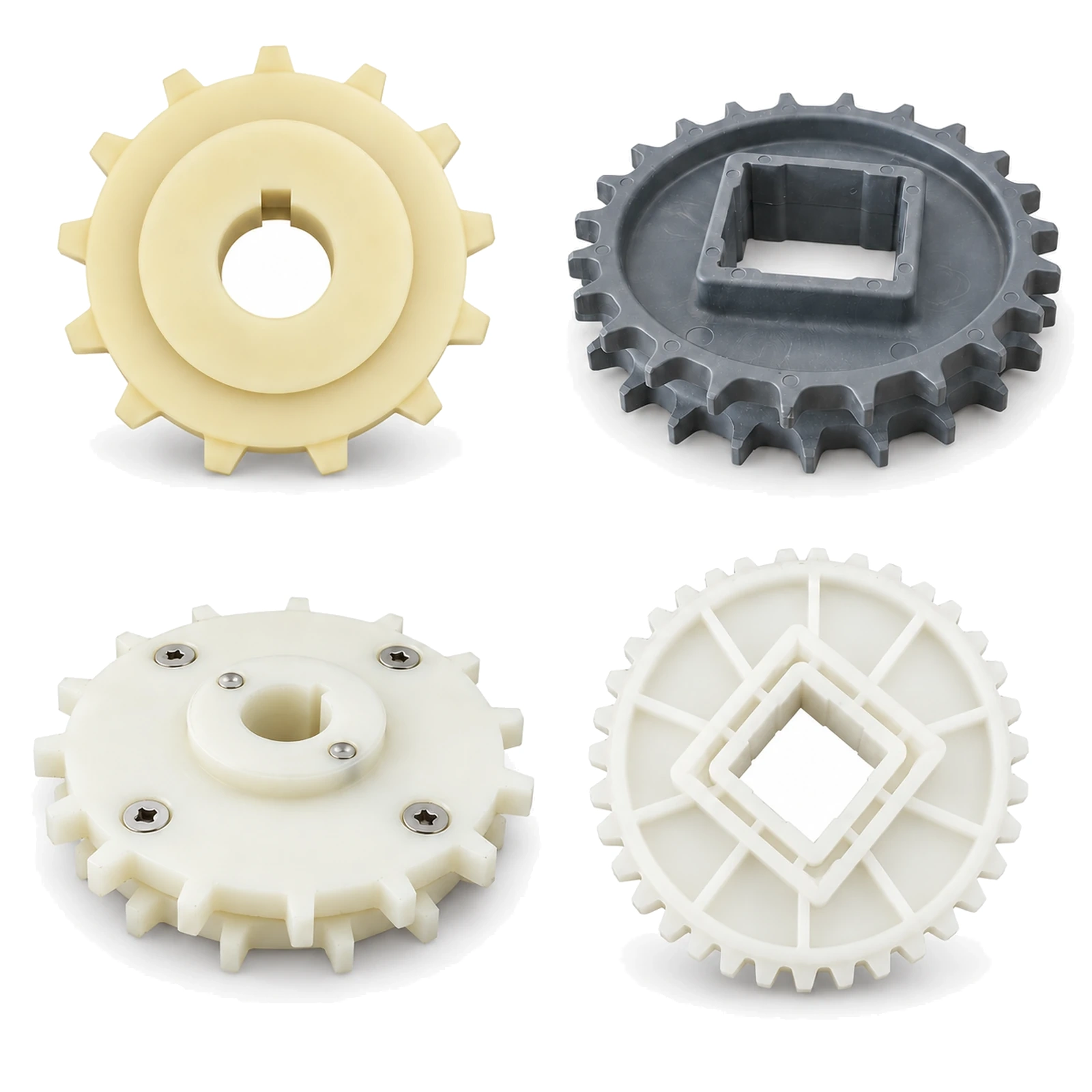
Four modular-belt sprockets with different bores and tooth forms
Sprocket engagement and transfer-plate fit depend on the modular-belt series.

Product Formats and Belt Requirements

Provide the minimum and maximum product dimensions, orientation, weight and wrapping condition. Include line speed, transfer drawings and the required accumulation arrangement.

State the belt series, width, length and material, plus any flights or side guards. Include cleaning exposure for wet-wipe applications and identify where paper dust or fibres collect around the belt and guides.

Specify Parts for Tissue and Hygiene Lines

We supply belts with matching sprockets and supporting components. For replacements, send the installed series and drive details; for new sections, include the product range and conveyor layout.