
Flexible Chain Conveyor Components
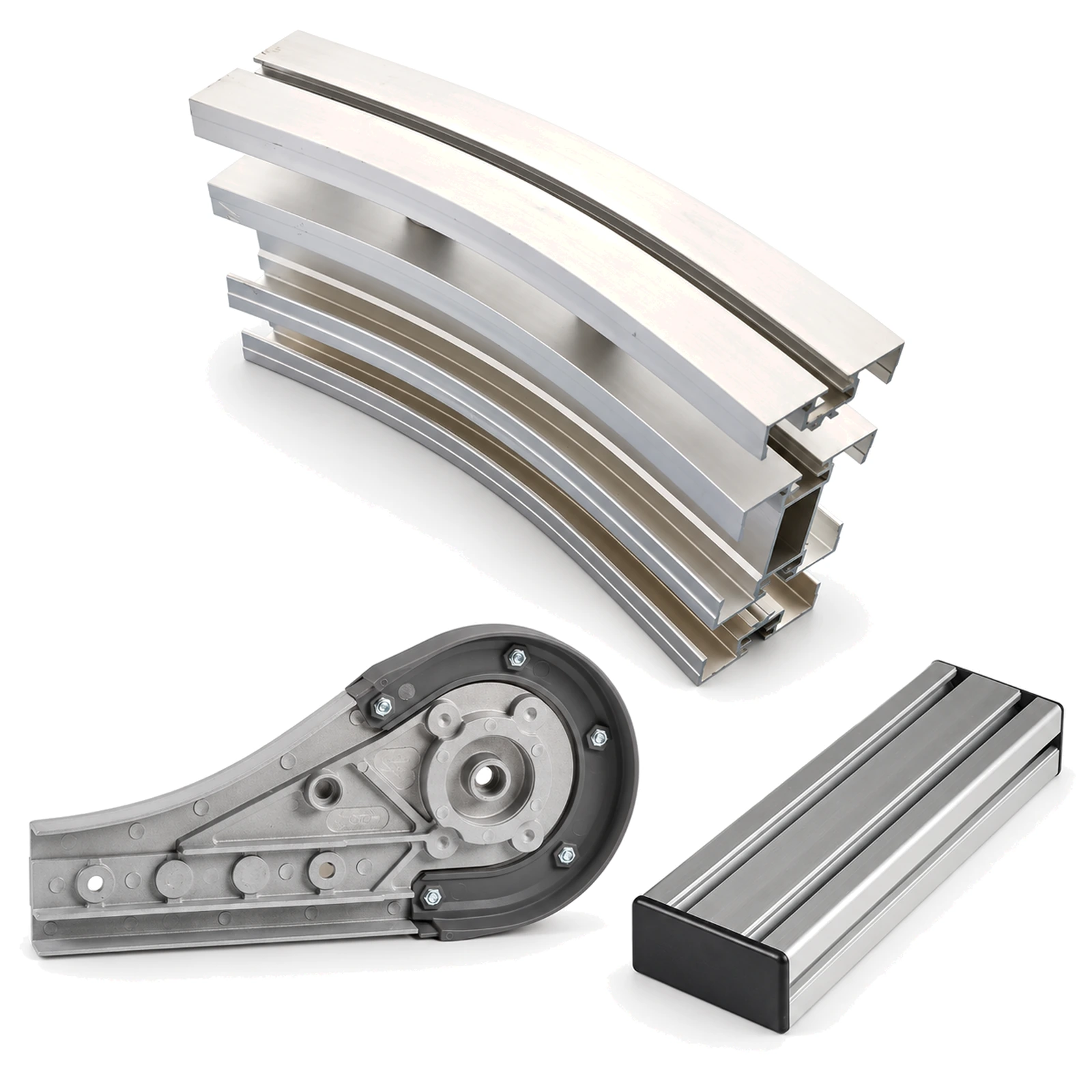
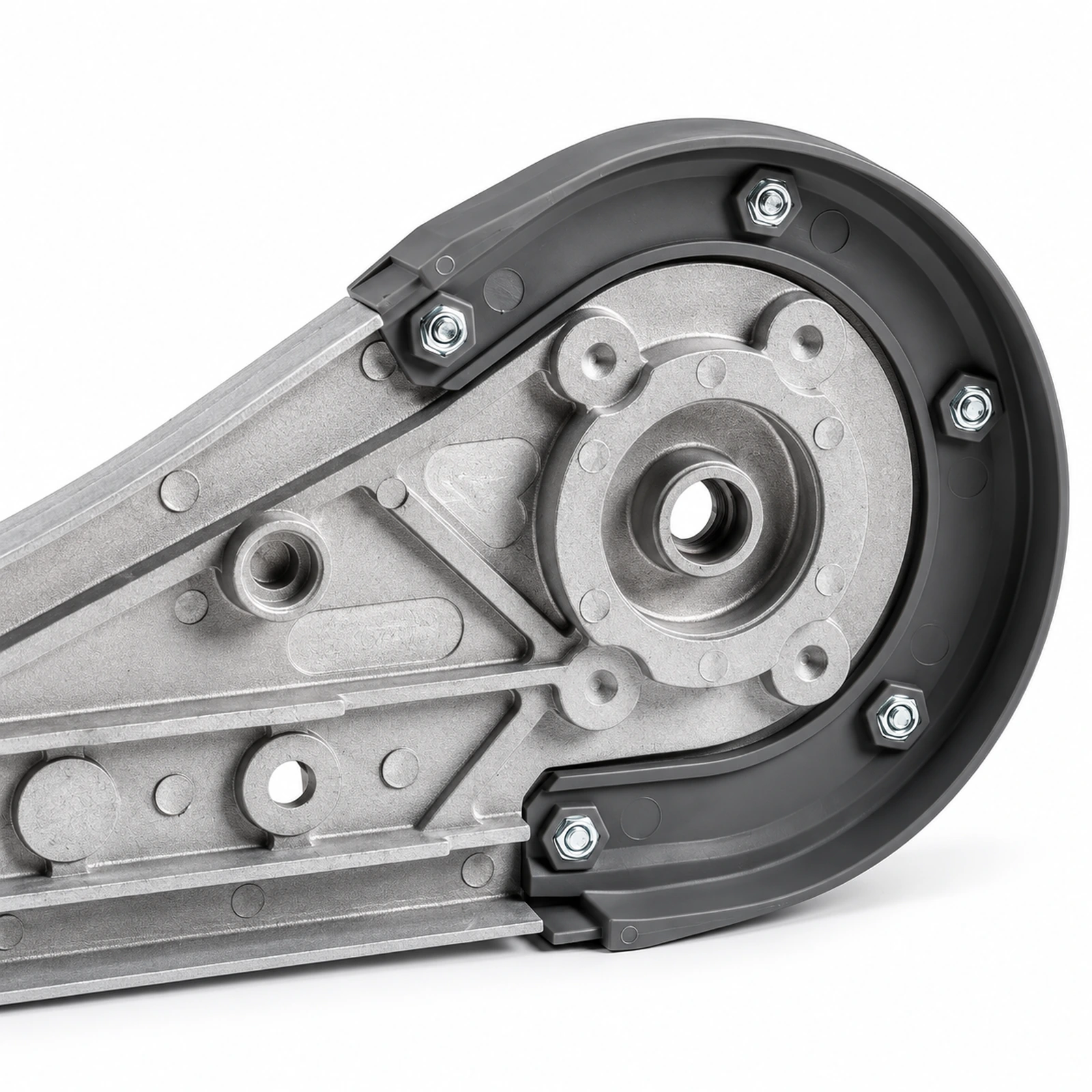
CSTRANS supplies beams, bends, drive and idler units, connecting parts and profiles for flexible-chain routes. With the selected chain and wear strip, they define its carrying path, return path and product handoff. Matching series and geometry across straight runs, turns and the next section makes the parts work together.
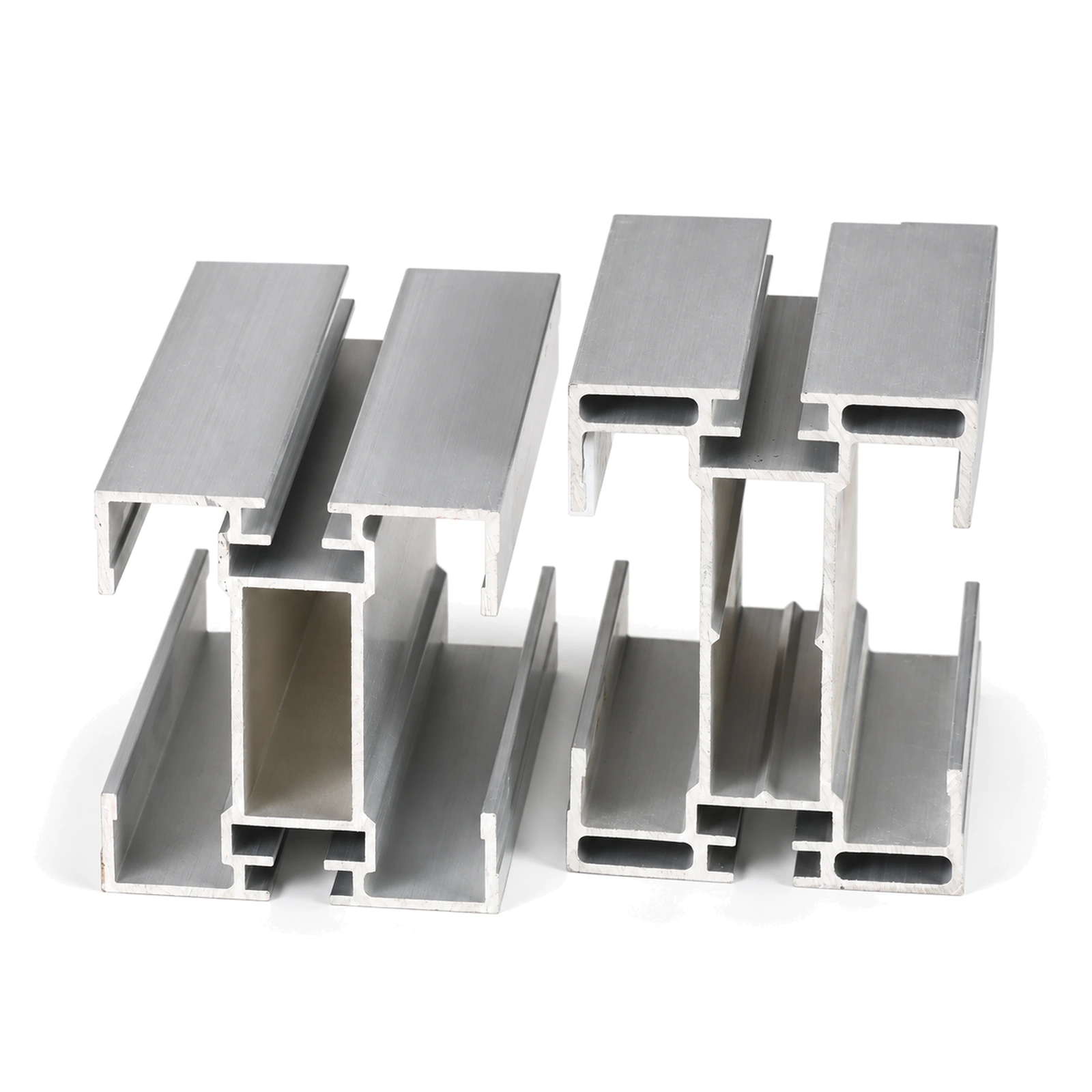
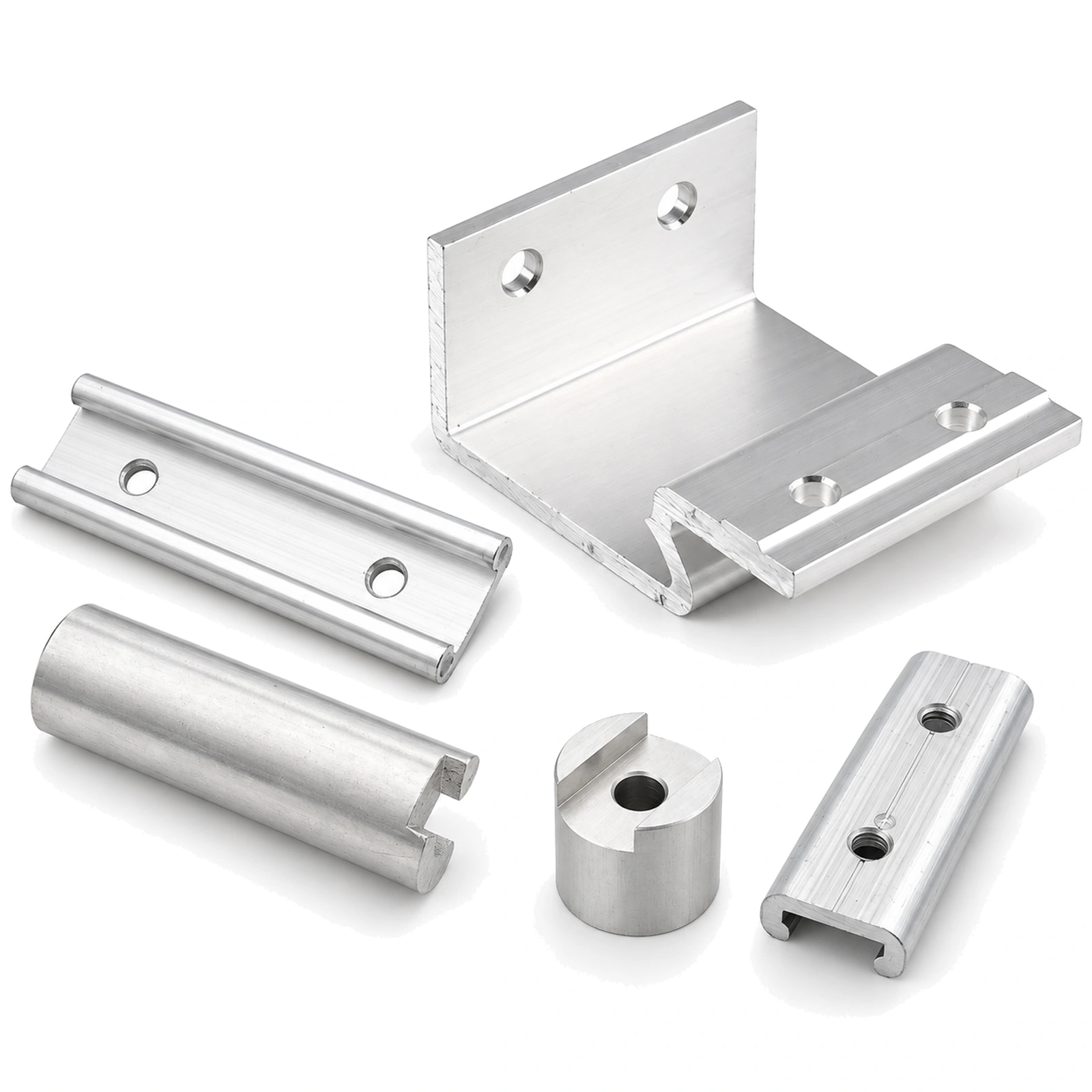
Beam and wear strip
Support the chain along the beam
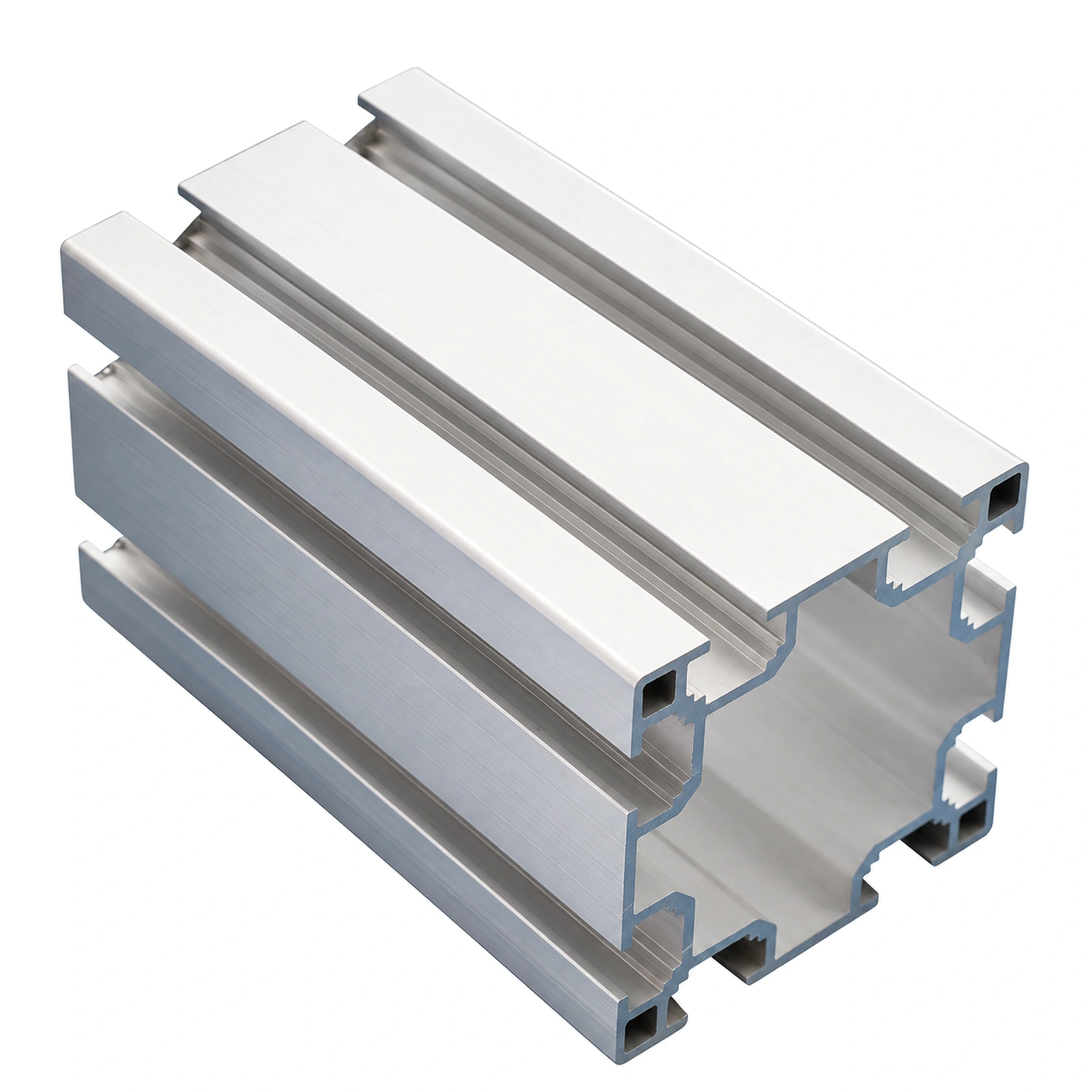
The beam carries and locates the chain. CSTRANS offers 45, 65, 85 and 105 beam widths for its 44, 63, 83 and 103 flexible-chain families. A wear strip provides running contact, while beam connections align adjoining lengths. This affects how the chain tracks under a product and enters a bend. The 140 family has flat-toothed and flat-plate forms; the flat-toothed form needs its own beam, end-unit and wear-strip arrangement.
Horizontal and vertical
Carry the route through turns and height changes
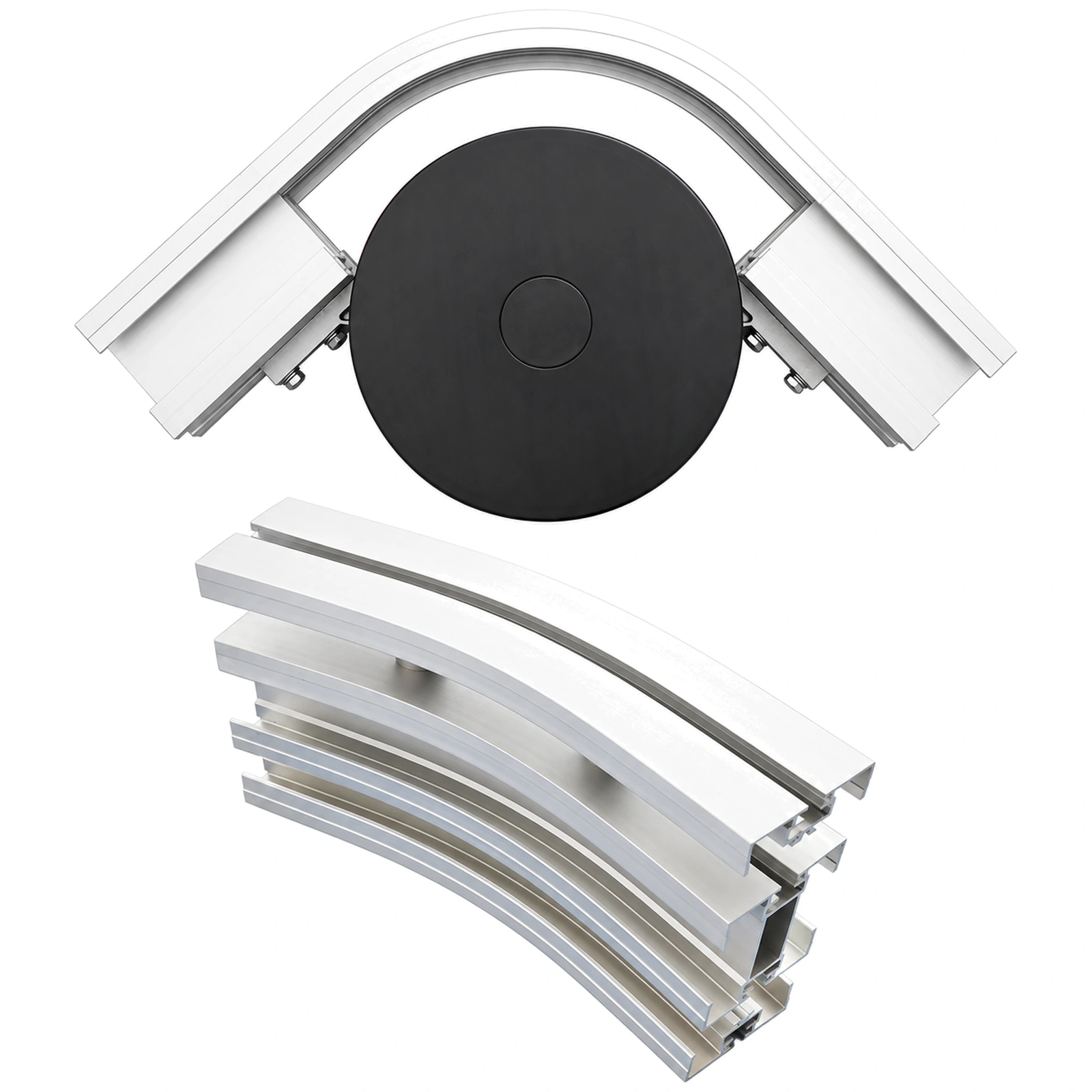
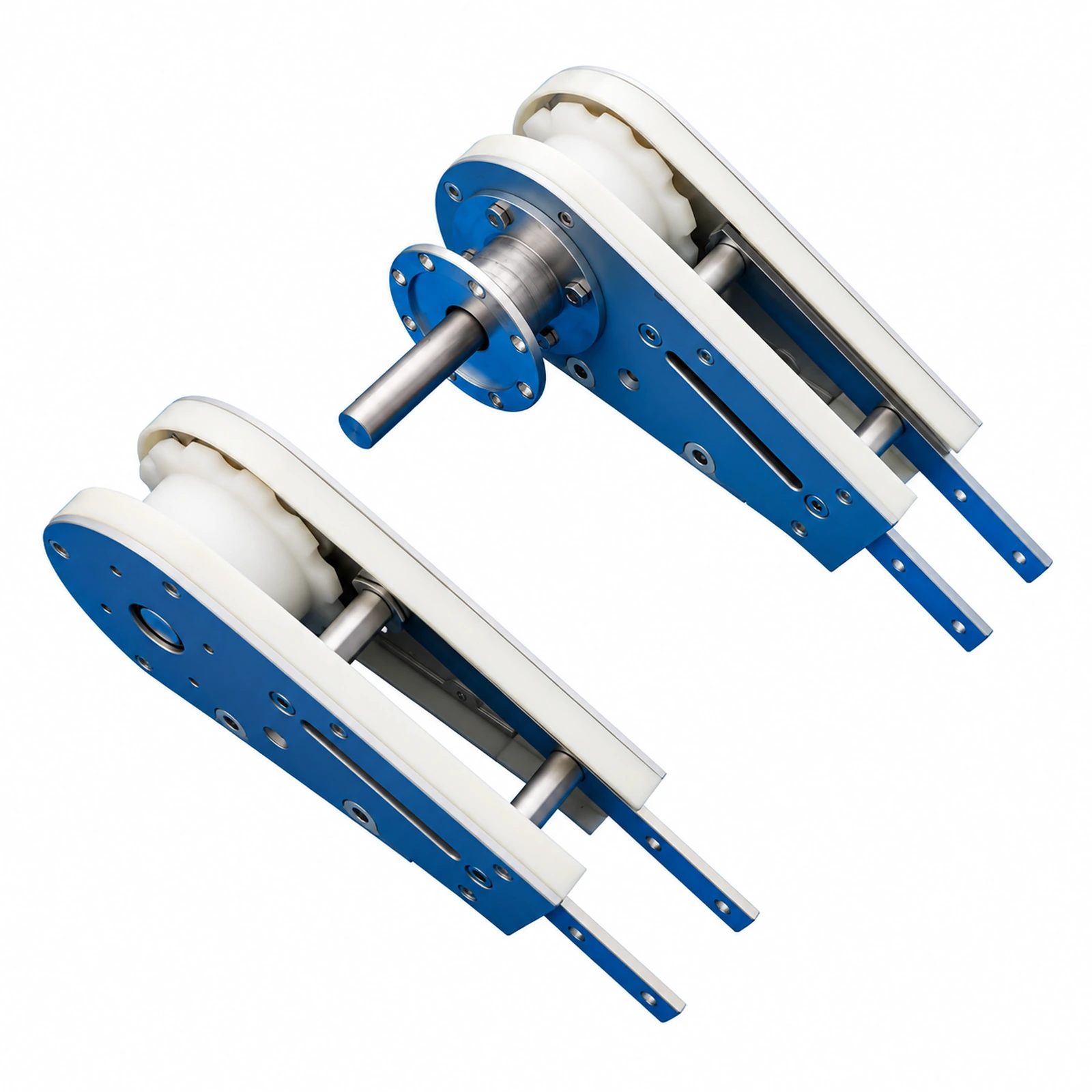
CSTRANS offers horizontal, vertical and wheel-bend component families. A horizontal bend redirects the chain around equipment; a vertical bend changes the conveyor's level. In the 63, 83 and 103 systems, the described horizontal-bend assembly uses a plastic disk, cast bracket, aluminum half-beam and shaft. The bend radius, angle and straight lead-in determine how that assembly meets the adjoining beam. Keeping the chain supported as it enters and leaves a bend helps maintain a continuous product path instead of introducing an extra handoff at the corner.
Drive and return
Close the drive and return loop
CSTRANS supplies drive-head and idler-end families for flexible-chain sections, including 65, 85 and 105 units paired with 63, 83 and 103 chains. Shafts, sprockets, connection blocks, columns and bearing housings form part of the end-unit assembly. The head engages and pulls the chain; the tail guides its return. Matching those interfaces to the beam and chain form keeps the circulating path aligned, especially where the drive end sits close to the next machine or conveyor.
Application / Line Context
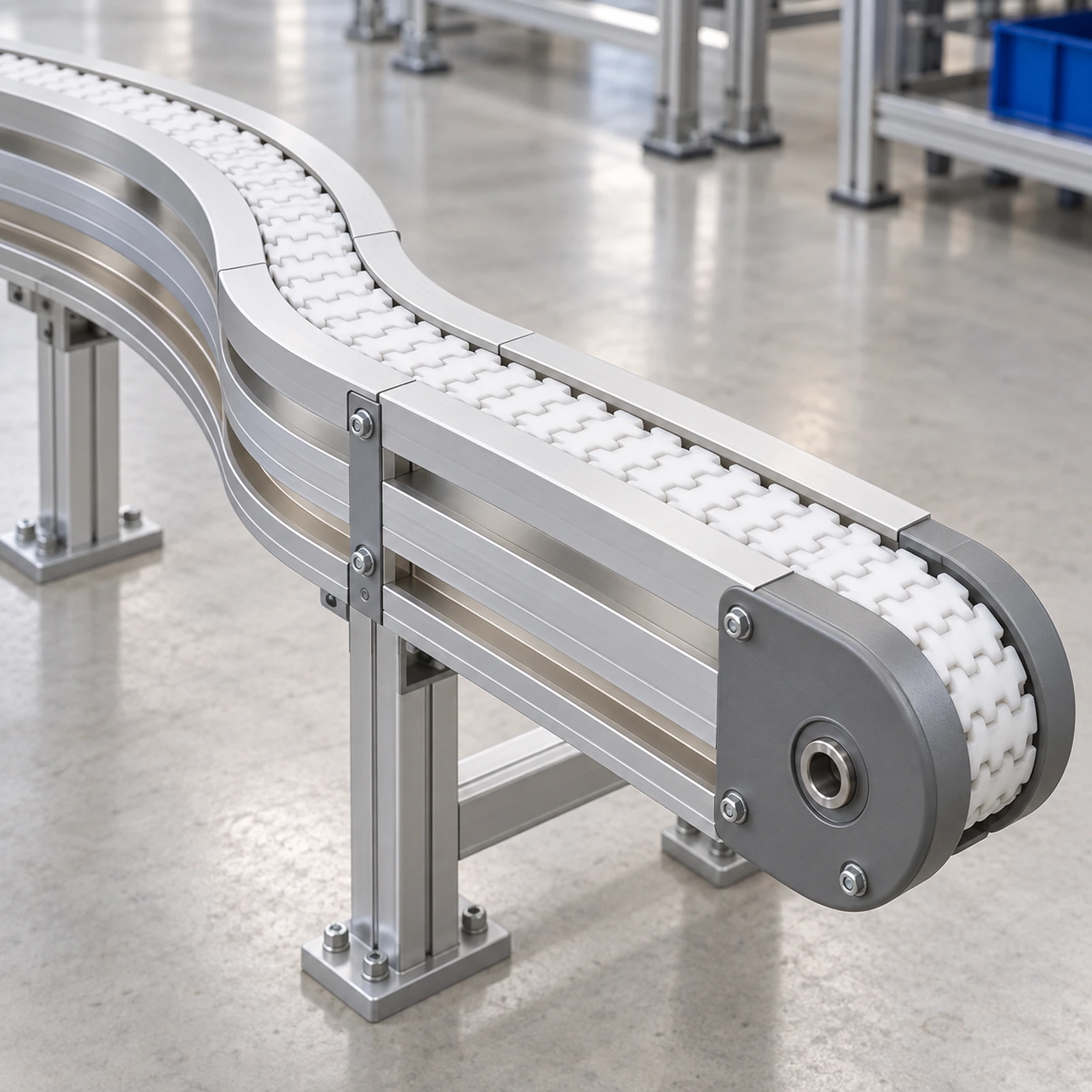
On a line with a tight horizontal turn, the beam and wear strip support the chain into the bend, while the bend assembly redirects it toward the next straight. If the route rises, a vertical bend must join that same running path without a sudden change in chain support. At the drive end, sprocket engagement and tail return close the loop; product discharge still depends on guide position and the receiving section's height and gap. Connection pieces and supports hold the component geometry in place through these transitions. These are linked installation interfaces, so CSTRANS can help coordinate them by chain series and route rather than treating each part as an isolated replacement.