
Connecting Kits
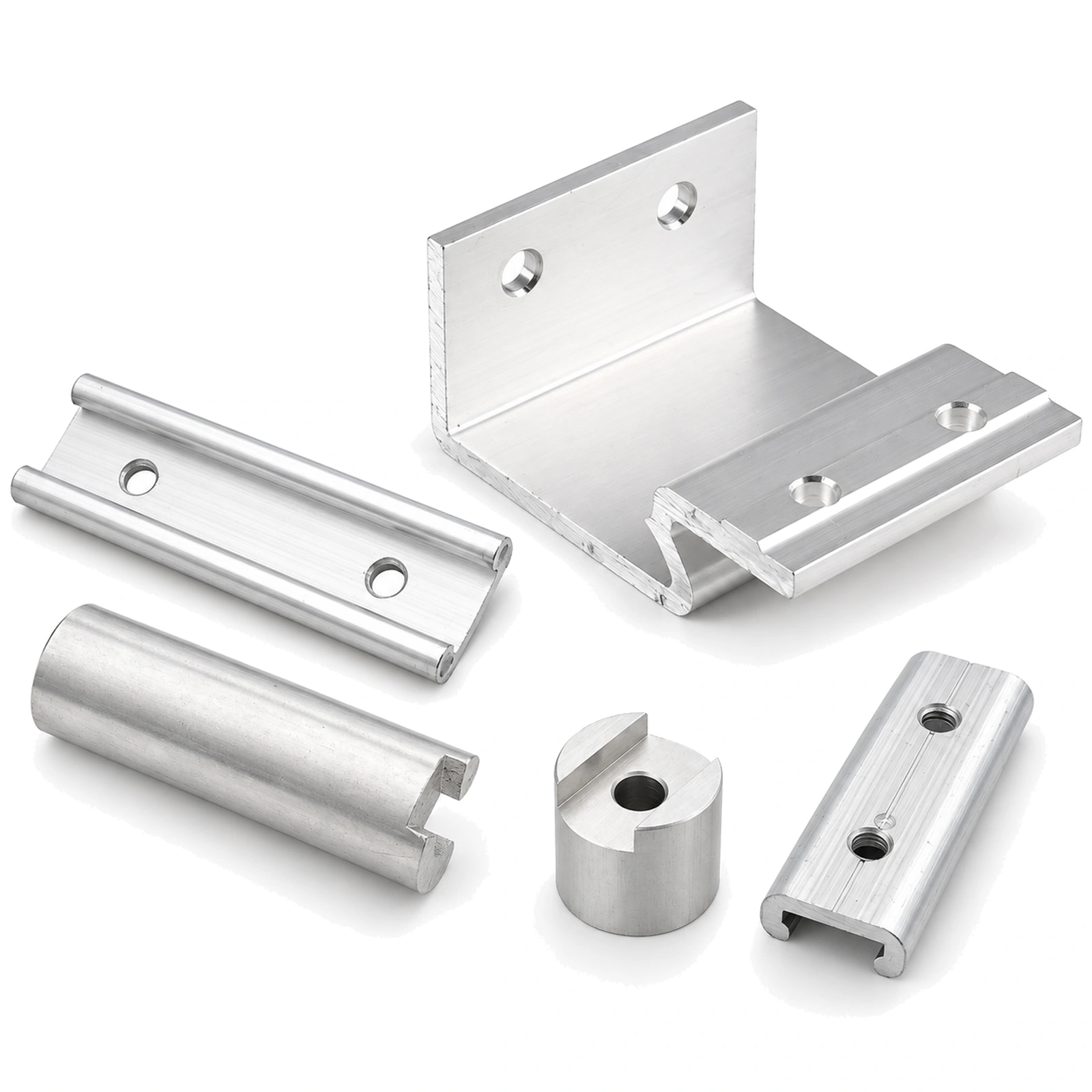
CSTRANS supplies beam spacer columns, connecting blocks and support brackets for flexible-chain conveyor sections. These parts join beam lengths, connect main and half-beam sections and locate the running track on its frame. A beam joint affects how the chain crosses from straight to curved track, while its support position affects the product path toward the next machine.
Subcategories
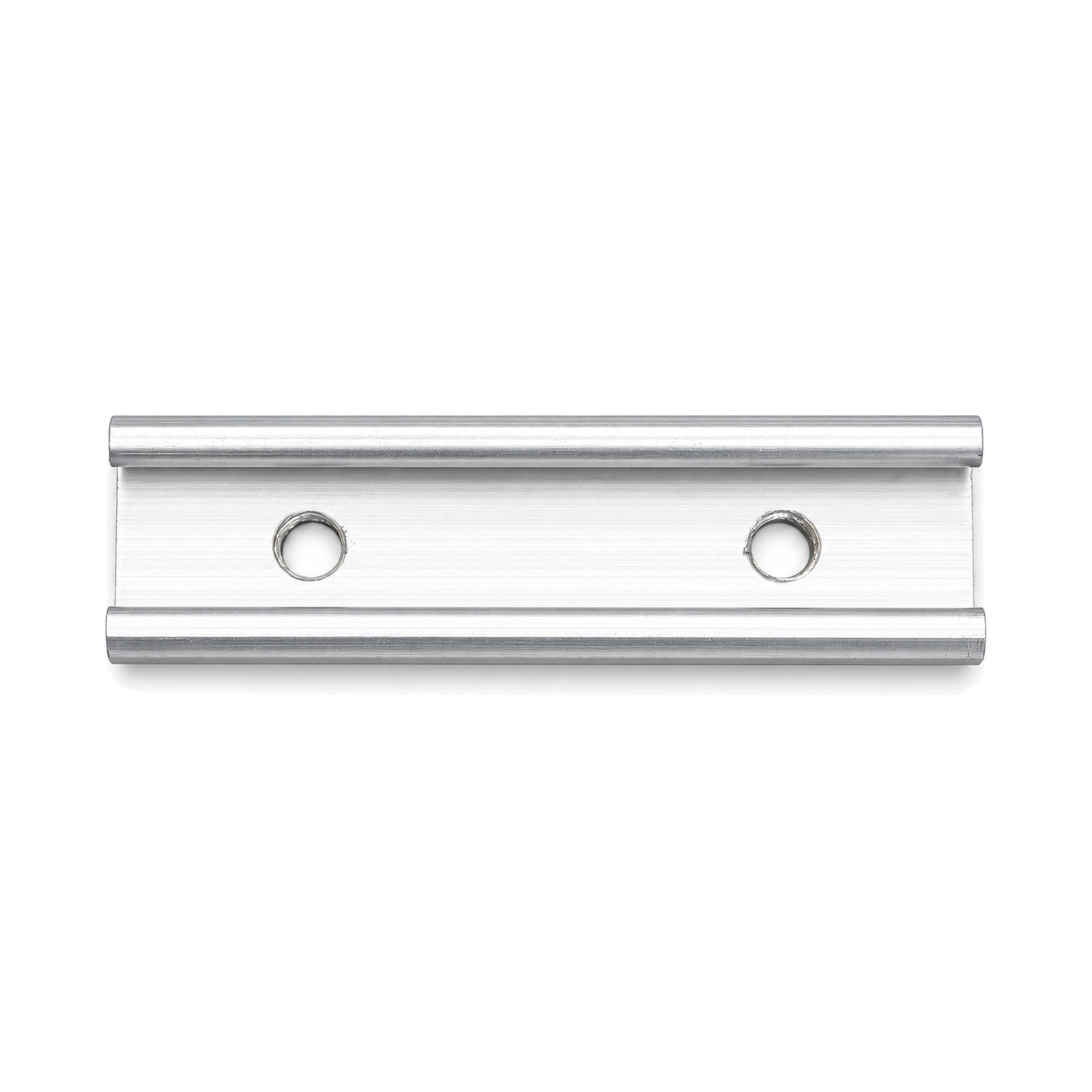
Beam sections
Join the main and half-beam sections
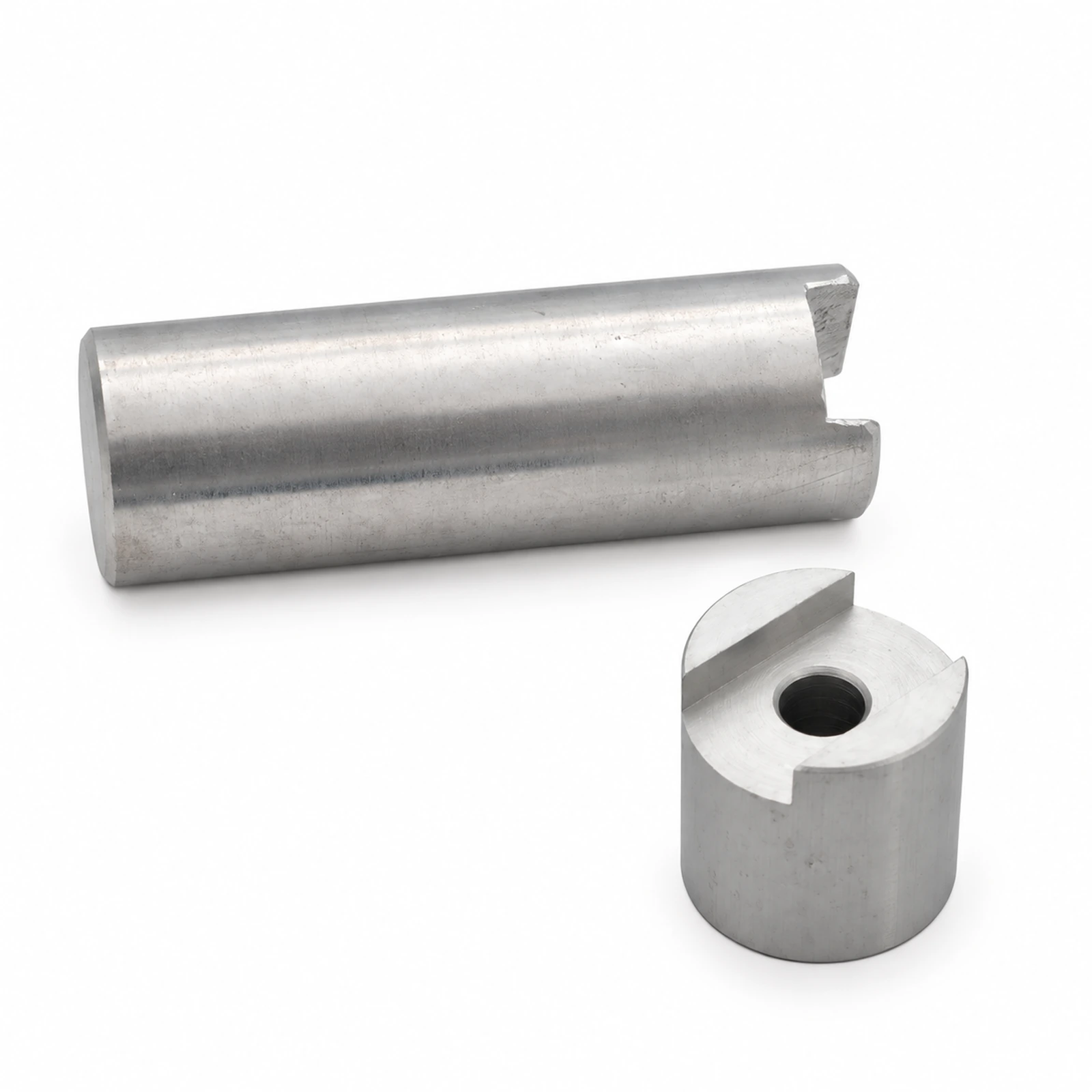
An 85 main beam can be combined with an 85 half-beam for horizontal and vertical bend sections. CSTRANS uses a connecting column at that junction; column lengths also differ among the 145, 175 and 295 beam series. The column sets the spacing between the paired beam pieces, which influences how the chain's supported path enters a curve and returns to a straight run. Matching its length to the beam arrangement is therefore a route-continuity issue, not merely a fastener choice.
Joint alignment
Keep the beam joint in line
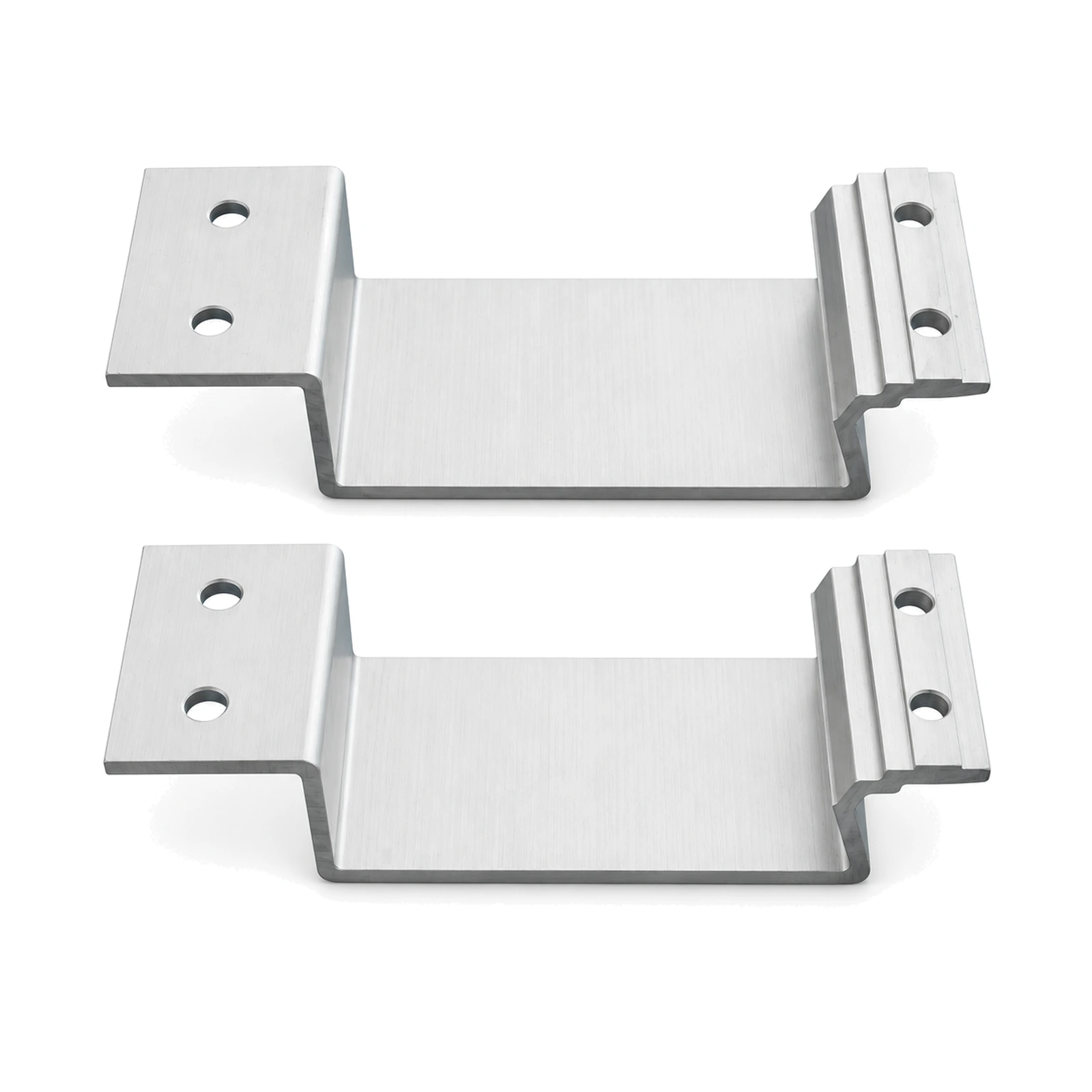
CSTRANS uses the same connecting-block design for 65, 85 and 105 beam families. The block joins adjoining sections so the chain can pass across the joint on an aligned track. That common block simplifies identification of the connection part, but the three beam and chain systems still have different dimensions. A straight-run joint near a drive head or bend must meet the next beam at the intended position; otherwise the chain reaches the transition out of line with its wear strip and guide.
Installed height
Support the route at its installed height
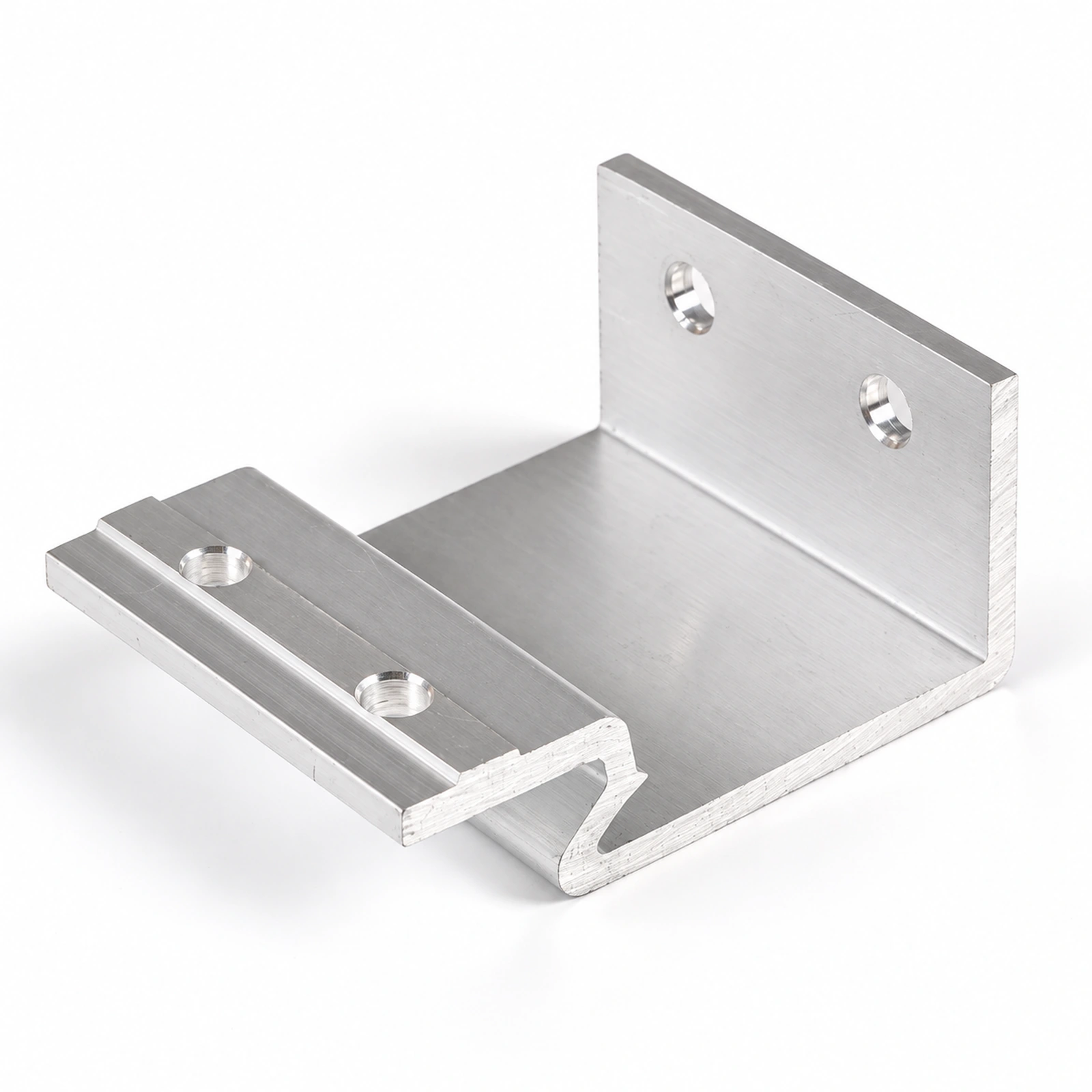
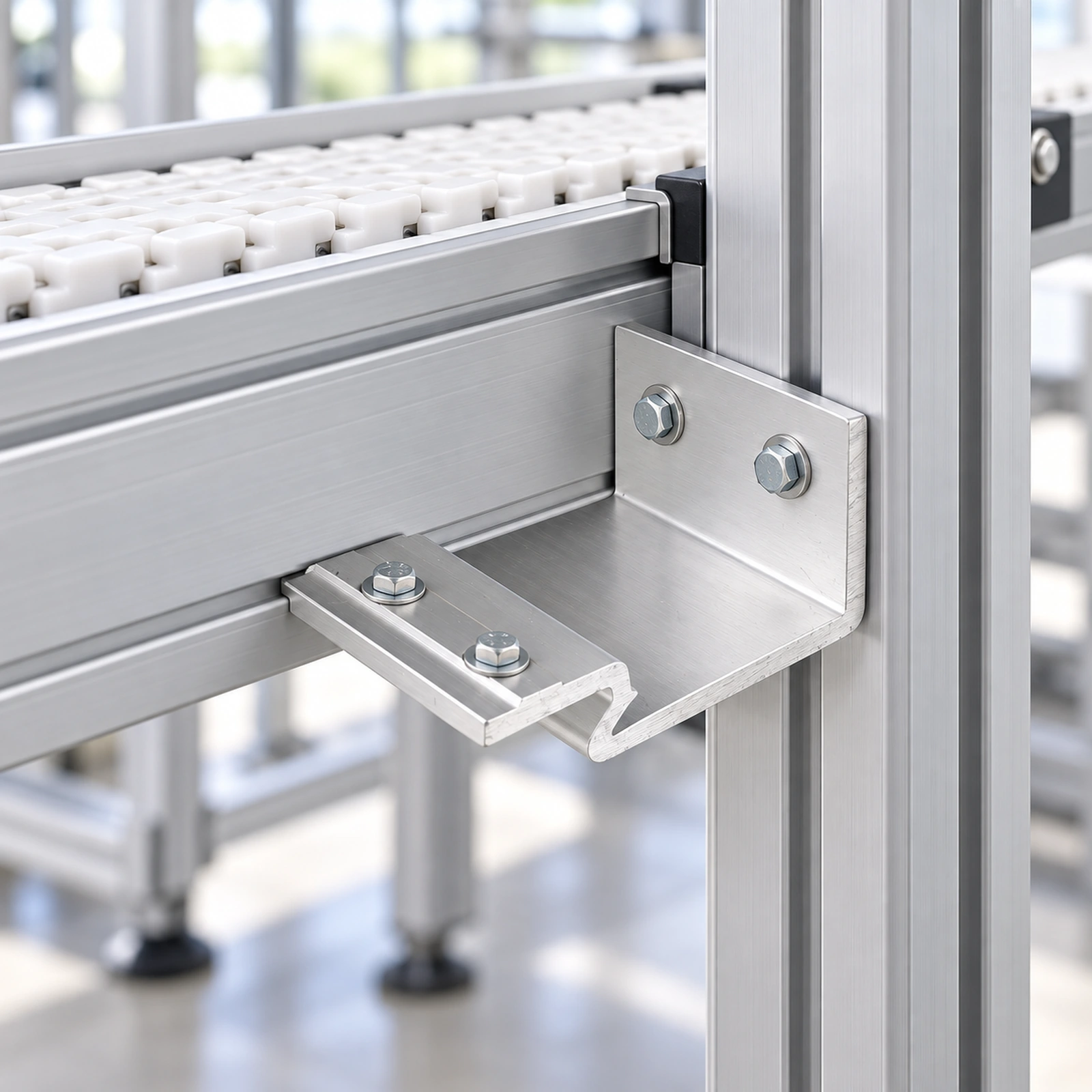
CSTRANS pairs 63, 83, 103 and 140 flexible-chain families with bow-shaped beam supports in different sizes. Larger 145, 175 and 295 beam series use L-shaped supports. The bracket connects the beam route to the conveyor frame and holds its position as the chain carries product across joins and bends. Different support forms give CSTRANS options for placing the running path around frame constraints while maintaining the beam level needed at a neighboring section.
Application / Line Context
At a horizontal bend, the main-to-half-beam column keeps the two track pieces positioned together while the chain changes direction. On the straight leg, a connecting block aligns adjoining beam sections so the wear-strip contact and chain path remain continuous. Beneath both, the support bracket fixes the beam position relative to the frame; a mismatch in height can carry through to the bend exit and product handoff. Near a drive end, the beam joint also affects how the chain approaches the head sprocket. These interfaces explain why columns, blocks and supports need to match the particular beam series and route.