
Conveyor Bearing Housings
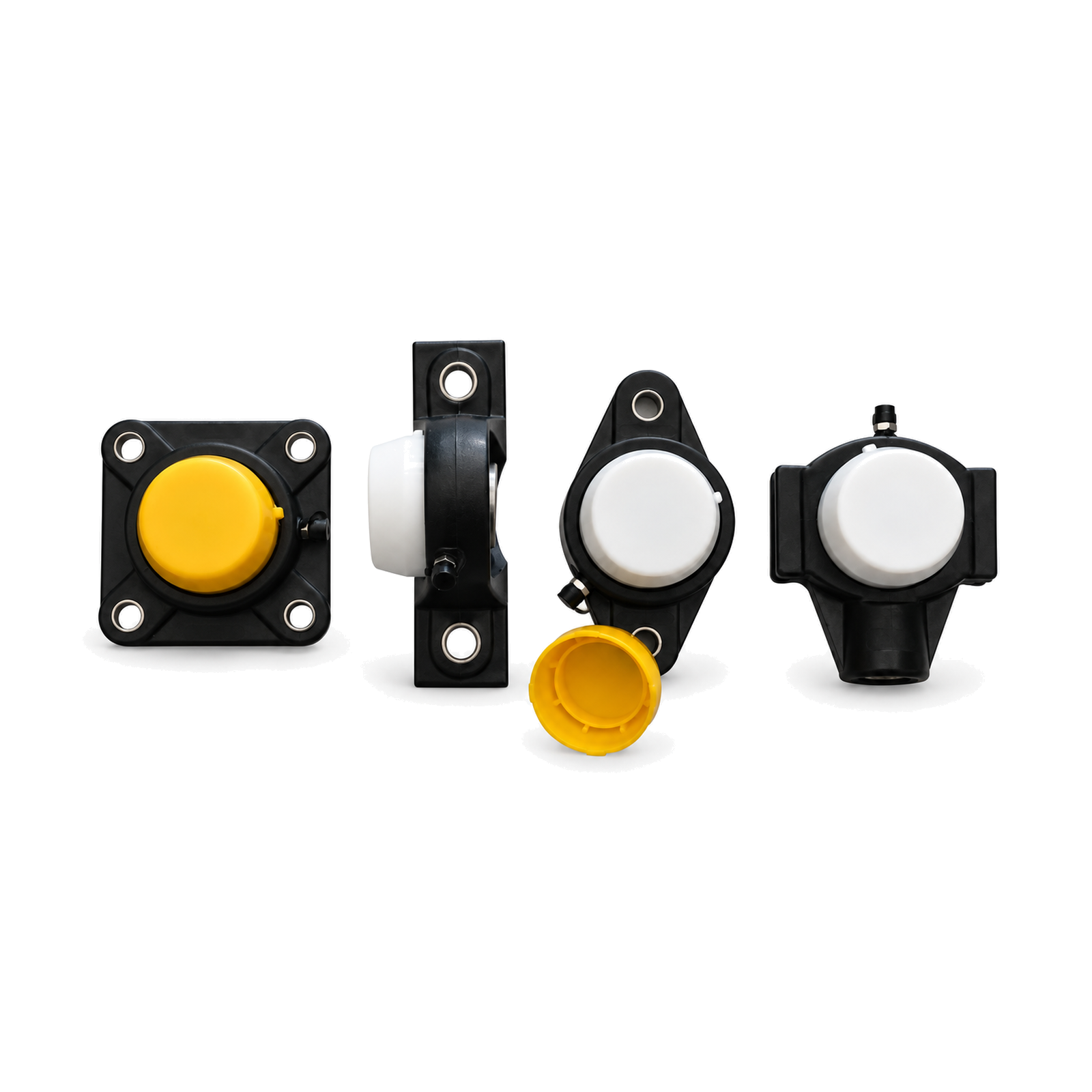
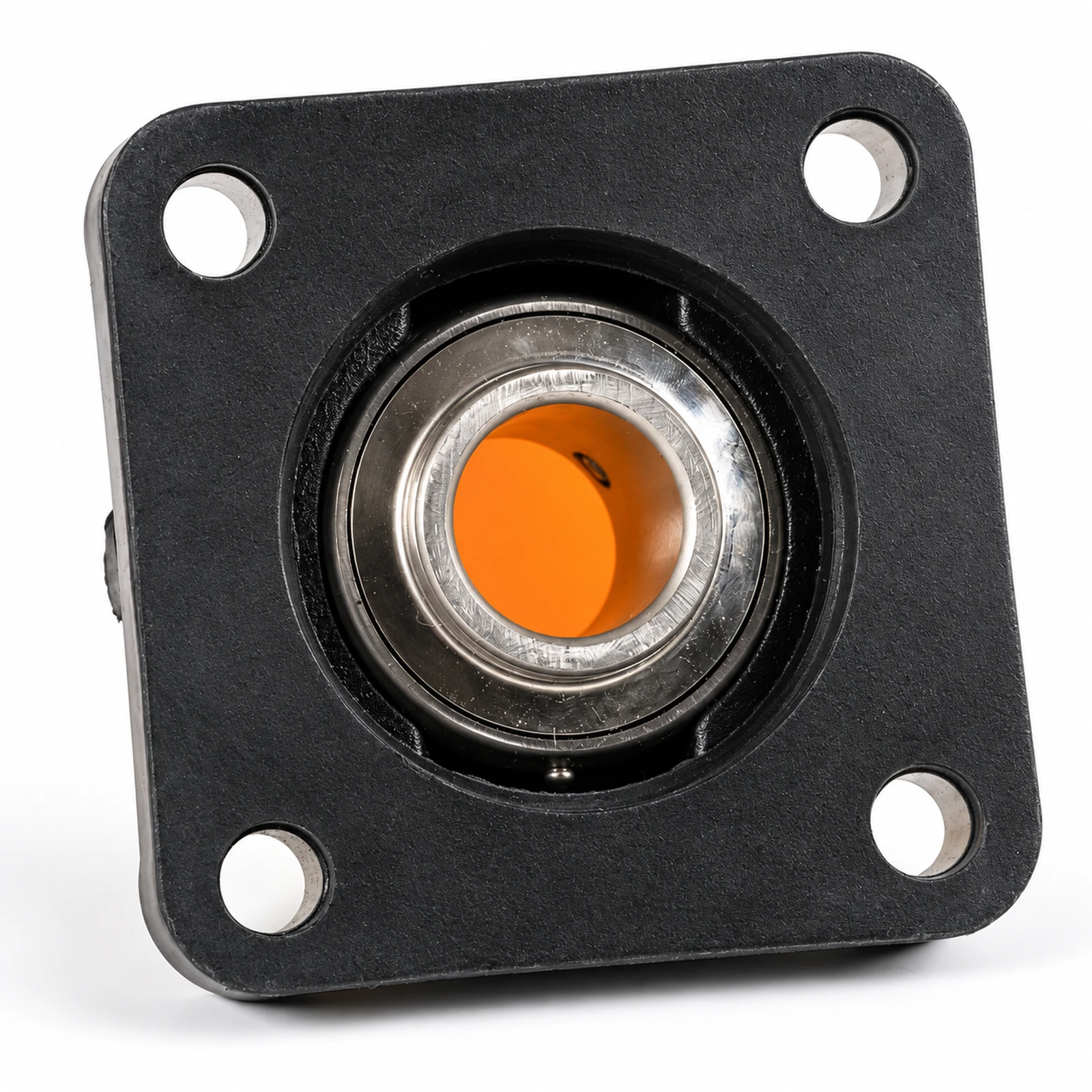
CSTRANS supplies conveyor bearing housings in plastic and 304 stainless steel, and identifies 440 bearing material in this component category. A housing locates a rotating shaft at the conveyor frame. Its mounting position and the shaft-to-bearing fit therefore affect the drive or return arrangement when a support point is built or replaced.
Housing material
Match the Housing Material to the Installation
CSTRANS offers plastic and 304 stainless steel housing families. Plastic provides a nonmetallic body; 304 provides a stainless alternative. That material choice belongs with the frame and actual exposure or cleaning conditions. It is also separate from the bearing insert and mounting geometry, which determine whether the assembled support fits the shaft and installation point. Starting with the appropriate housing material keeps the replacement aligned with its intended environment.
Shaft alignment
Hold the Shaft on the Correct Line
At a drive or return location, the housing fixes bearing position relative to the frame. Its footprint and shaft center height affect alignment with a sprocket, pulley or neighboring support. Changing that position can change how the moving strand approaches the next component. The housing is thus a shaft-location interface within the conveyor layout, not simply a block around a bearing.
Bearing fit
Treat Bearing and Housing Fit as One Interface
CSTRANS also identifies 440 bearing material in this category. That material reference does not define a complete mounted unit. The insert must fit its housing, the bore must meet the shaft, and shaft retention must suit the assembly. These interfaces govern whether the shaft rotates in the intended position without altering surrounding drive or return geometry. Housing appearance alone cannot establish replacement fit.
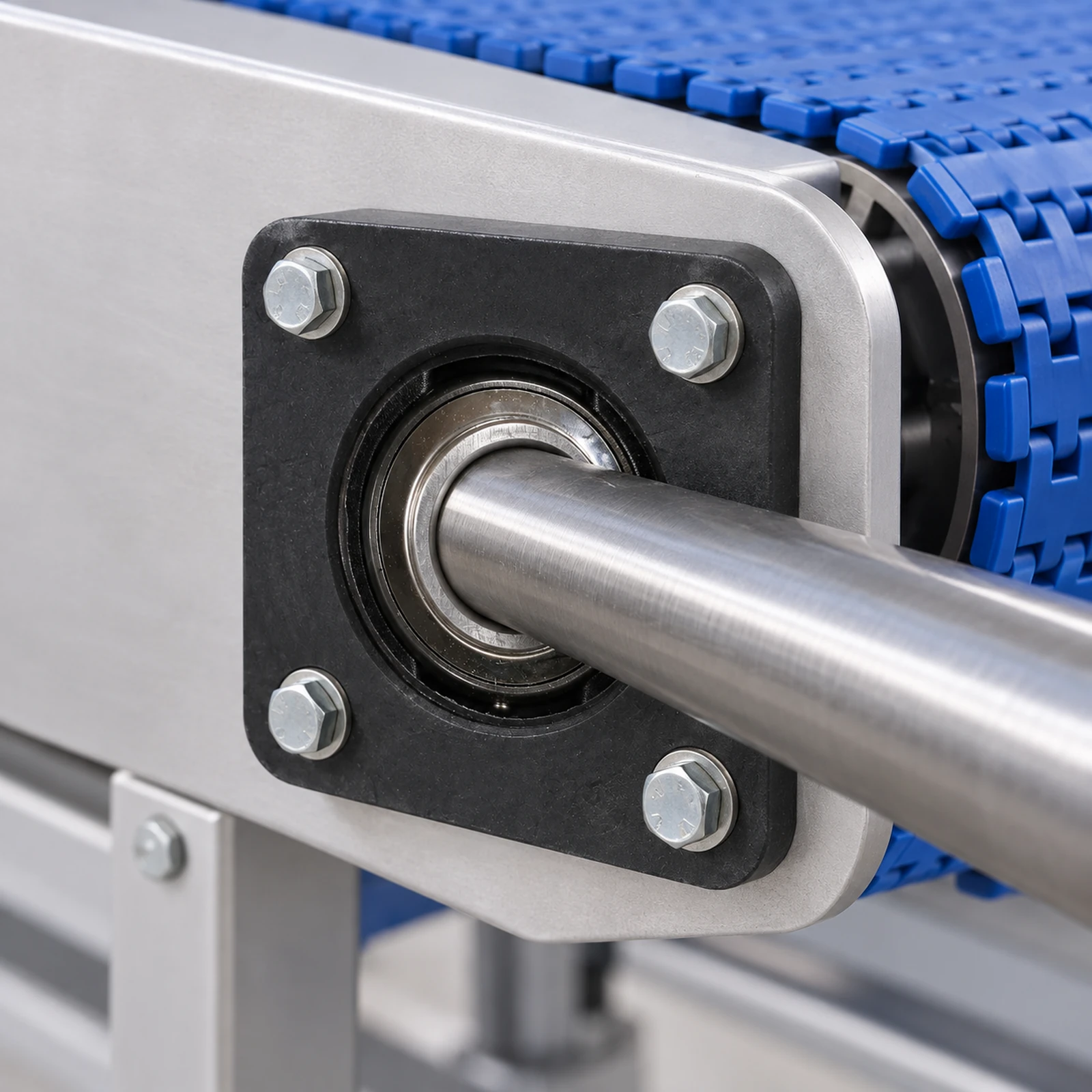
Application / Line Context
At the drive, a bearing housing locates the shaft that turns the sprocket or pulley. Its position affects engagement with the conveying surface, while insert and bore fit support shaft rotation. At a tail or return support, housing position affects how the moving strand approaches the carrying run. Material choice addresses the installation environment; footprint, bore and insert pairing determine physical fit. A replacement must satisfy both sides of that interface.