Conveyor Wear Strips
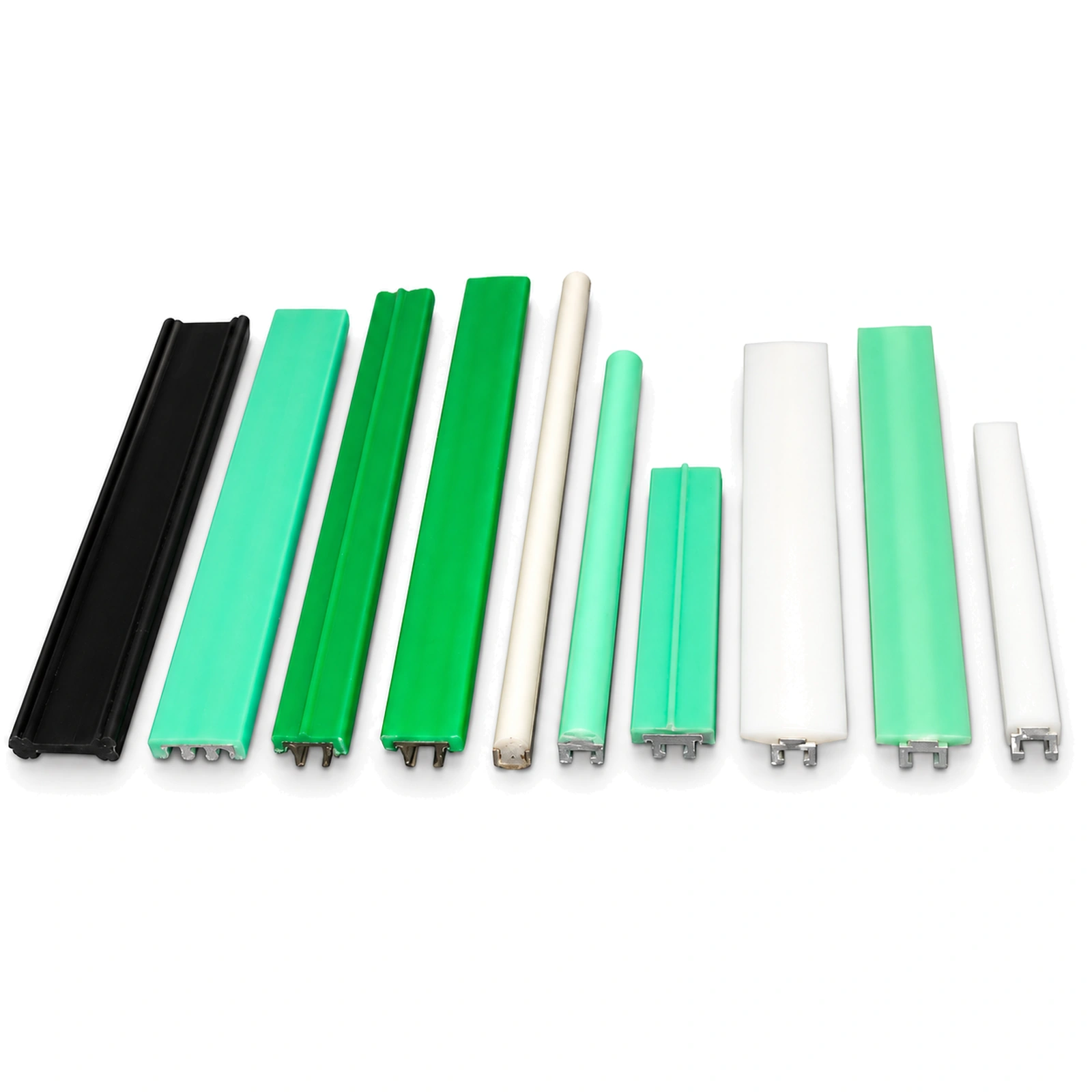
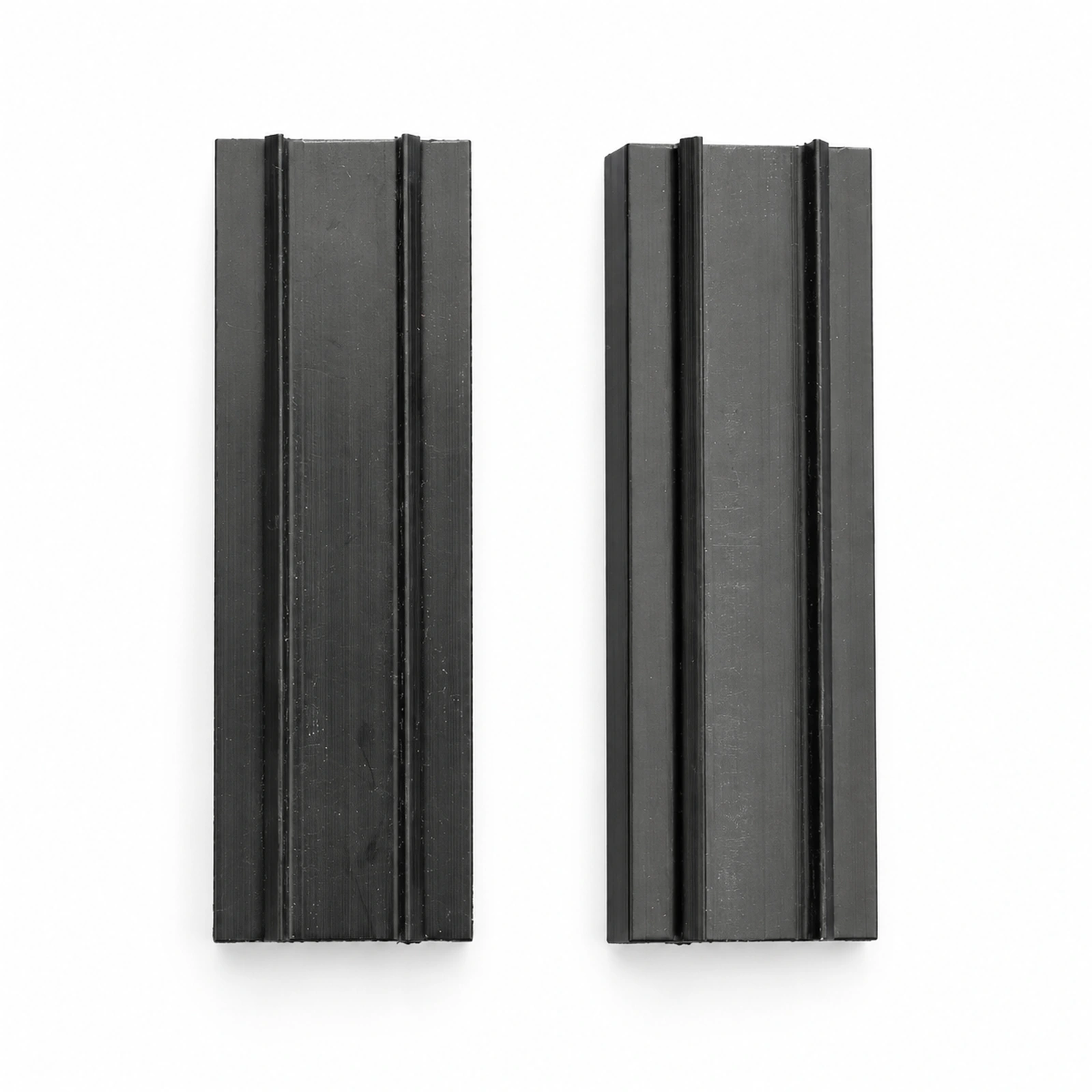
CSTRANS supplies conveyor wear strips for the sliding contact between a moving chain and its supporting beam. The range includes W4, W21, W24, W25, W28, W48 and W49 profiles, plus CR wear strips for flexible-chain systems. Matching the strip section and material to the chain and beam gives the chain a defined running surface through the conveyor route.
Chain running contact
A Running Surface Between Chain and Beam
The wear strip sits at the chain-to-beam contact point, where the chain needs support as it travels. A PE flexible-chain strip separates that contact from the beam and makes the strip the replaceable wear interface. CSTRANS offers common W profiles and flexible-chain CR profiles, so a new build or replacement can start with the contact geometry already used on the line. The value is in keeping chain support consistent along the run, rather than treating the strip as an isolated consumable.
Series fit
Match the Profile to the Flexible-Chain Family
For flexible chains, CSTRANS lists 15 × 5 mm and 15 × 6 mm PE wear-strip sections; the thinner 15 × 5 mm section is generally recommended for the 63 family. The 140 flat-tooth chain has a dedicated strip, CR140-350, while the 140 flat-plate chain uses the general 15 × 6 mm strip. Those distinctions matter because a strip that fits the beam but misses the chain's contact path can change how the chain is supported through a straight section or a strip-supported bend. Chain form, beam section and strip profile therefore need to be considered together.
PE grades
PE Grades for Different Wear Requirements
The CR range includes standard PE CR50, 3.5-million-molecular-weight CR50-350 and CR140-350, plus CR50M-760 and CR50M-840 at 7.6 million and 8.4 million molecular weight respectively. These are distinct material options within the wear-strip range, not interchangeable fit codes. CSTRANS can help align the relevant grade with the chain family and operating conditions while keeping the contact geometry correct. A higher-grade strip cannot compensate for a profile that does not seat correctly against the chain and beam.

Application / Line Context
On a flexible-chain line, the strip follows the route where the chain bears against the beam. Along a straight run, a correctly seated strip maintains the intended sliding contact instead of exposing the chain to the beam. Where a bend uses a wear strip, its contact path must continue as the chain changes direction; profile selection affects whether the chain stays supported through the curve and into the next section. The 63 family's thinner-section recommendation and the separate 140 flat-tooth strip show why width alone is insufficient to identify a replacement. At the drive and idler ends, the wear strip must meet the adjacent chain path without an abrupt step or gap that interrupts travel. These interfaces affect chain motion and, in turn, how products move through the connected line.